Best for score quality
Avatar: The Last Airbender, Season 2
5.0 attribute score
Highest scored product for this attribute based on supporting review evidence.

Highest scored product for this attribute based on supporting review evidence.
Balances the attribute score, supporting reviews, and overall product strength.
Has the broadest review evidence for this attribute.
Strongest overall product among items with scored evidence for this attribute.

Overall: 3.5/5
The orchestral score is a consistent standout, praised for enlarging action while giving quieter scenes melancholy and emotional lift.
Pros: character development, action quality
Cons: faithfulness to source material, season pacing

Overall: 3.4/5
The musical accompaniment is praised for fitting the adventure and adding energy without dominating the scenes.
Pros: entertainment value, lead performance
Cons: mystery quality, pacing
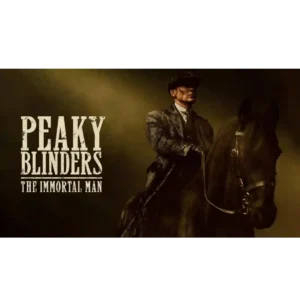
Overall: 3.7/5
The score is repeatedly praised for building dread, atmosphere, and intensity, especially as Tommy’s return pushes the film toward its climax.
Pros: ending satisfaction, faithfulness to source material
Cons: story quality, pacing

Overall: 3.8/5
The score earns strong praise for its haunting synth textures and for supporting the thriller’s unease without overwhelming the performances.
Pros: bingeability, main cast performance
Cons: plot twists, writing quality

Overall: 2.6/5
Colin Stetson’s tense, unconventional music is a standout technical strength, praised for sustaining dread without overpowering the atmosphere.
Pros: acting performance, scares
Cons: entertainment value, character development

Overall: 4.3/5
A soaring, cinematic treatment of the familiar theme makes the score feel bigger while remaining recognizable.
Pros: celebrity cameos, humor
Cons: pacing, ensemble balance
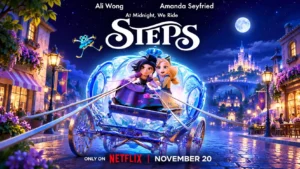
Overall: 3.8/5
Kris Bowers's sweeping orchestral treatment gives the fantasy a theatrical flourish. The music adds emotional scale without swallowing the playful story.
Pros: story quality, family dynamics
Cons: originality, animation quality

Overall: 4.1/5
Uneasy choral and ethereal music supports the sense that something is wrong even during ordinary school drama.
Pros: theme depth, acting performance
Cons: season pacing, ending satisfaction

Overall: 4.1/5
The score is a major shared strength, moving between intimate melodies, choral passages and sweeping orchestral drama. It gives the transitions and emotional climax much of their force.
Pros: celebrity cameos, emotional impact
Cons: pacing, character development

Overall: 4.2/5
The dynamic score mixes Western rhythms with jazz, hip-hop, and other influences, bringing energy and a distinctive cultural identity to the action.
Pros: Genre blending, acting performance
Cons: character development, season pacing

Overall: 4.7/5
The music is praised for beauty and restraint, opening the characters emotionally without continually dictating a response. Sparse scoring also gives voices, silence, and everyday sounds space to register.
Pros: class commentary, character development

Overall: 3.6/5
Trent Reznor and Atticus Ross add moody jazz, funk textures and an ominous edge to tense scenes. Their unusually understated approach generally suits the worn-in setting.
Pros: entertainment value, lead performance
Cons: creative collaboration, pacing
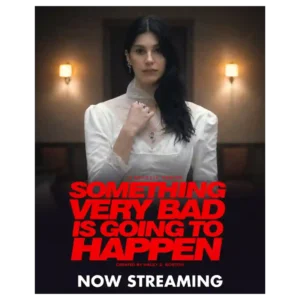
Overall: 3.9/5
Colin Stetson’s ominous music intensifies dread without overwhelming the story, and the recurring musical motifs become part of the show’s identity.
Pros: suspense, theme depth
Cons: season pacing, story quality

Overall: 3.4/5
The creeping score is credited with sustaining suspense, and the broader audio treatment is described as a standout. Music works mainly by deepening dread rather than drawing attention to itself.
Pros: acting quality, cultural representation
Cons: ethical sensitivity, character balance
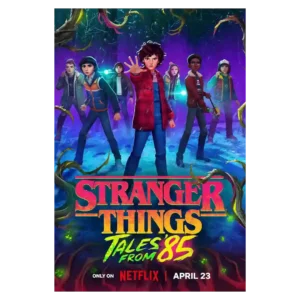
Overall: 3.0/5
Brad Breeck’s score successfully carries over the synth-driven feeling of the main series while adding enough new material to give the spin-off its own sound.
Pros: entertainment value, animation quality
Cons: spin-off quality, acting quality

Overall: 4.4/5
The recurring friendship theme is designed to connect emotional scenes and, according to the composer, gives the score cohesion without competing with the many songs.
Pros: dance choreography, cultural representation
Cons: plot originality, romance quality
Overall: 4.0/5
The score was praised for sounding like it belongs in an 1980s Spielberg-style adventure. That musical throwback supports the show’s nostalgic sci-fi tone.
Pros: entertainment value, acting quality
Cons: episode pacing, plot originality

Overall: 3.7/5
The pulsing, glowering score is a consistent technical strength, amplifying dread and keeping momentum alive through quieter stretches. Even a more skeptical review still finds it propulsive.
Pros: suspense, entertainment value
Cons: action sequences, ending satisfaction
Overall: 3.9/5
The string-led scoring continues to heighten yearning and melodrama, though the music is sometimes treated as part of the show’s familiar formula.
Pros: entertainment value, story quality
Cons: plot originality, writing quality

Overall: 3.7/5
Mark Korven's eerie music substantially strengthens the coastal unease. It is a common technical highlight, though the premiere makes less impression on one listener.
Pros: entertainment value, main cast performance
Cons: writing quality, season pacing

Overall: 3.1/5
Explosions in the Sky’s music is often praised for its emotional lift and well-timed restraint, especially during football. A few hear a grinding, overbearing accompaniment or an uneasy celebration of...
Pros: action sequence quality, acting performance
Cons: character development, message quality

Overall: 3.8/5
The music draws polarized reactions: an energetic, retro-modern score is a standout for one critic, while another finds the cues too obvious.
Pros: story quality, genre satisfaction
Cons: entertainment value, season pacing

Overall: 3.8/5
The restrained use of music during Cameron’s death strengthens the scene instead of forcing an emotional response.
Pros: audience appeal, drama quality
Cons: story quality, character development

Overall: 3.8/5
Lucy’s own music provides the basis of the score, keeping the sound rooted in her emotional and professional life.
Pros: story quality, acting performance
Cons: Narrative structure, writing quality
Overall: 3.1/5
The score receives limited but positive notice. It is not a major talking point, but one viewer specifically calls it quite good.
Pros: cast chemistry, acting quality
Cons: humor, character development

Overall: 3.7/5
The musical score fits the show’s romantic and comic mood.
Pros: romance quality, cast chemistry
Cons: character appeal, writing quality

Overall: 4.2/5
The score is used effectively to intensify tense scenes, with one review highlighting its droning presence under volatile action.
Pros: story quality, renewal interest
Cons: season pacing, plot clarity

Overall: 4.1/5
Laura Karpman’s score is often praised as lush, expressive, and integral to the period mood, but a few critics find the mournful strings overbearing. It is a noticeable, sometimes polarizing...
Pros: main cast performance, story quality
Cons: character balance, episode pacing

Overall: 4.1/5
The score generally supports the emotion, but some critics found it overly insistent, twee, or prone to emphasizing feelings the actors already communicate.
Pros: ending satisfaction, cultural representation
Cons: supporting cast performance, pacing
Overall: 2.7/5
Music reactions range from top-notch to generic or poorly used, leaving the season’s score more divisive than its visuals.
Pros: action quality, villain quality
Cons: entertainment value, faithfulness to source material

Overall: 2.5/5
Music receives little discussion overall. One YouTube review likes the score, while another critic includes the music among the production’s major mistakes.
Pros: main cast performance, production design
Cons: character development, season pacing
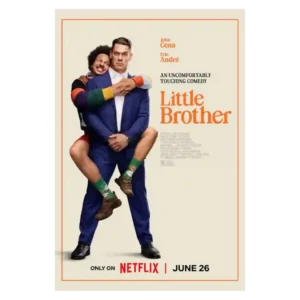
Overall: 2.7/5
The musical score is serviceable but leaves little memorable impression. It rarely stands out from the rest of the production.
Pros: acting performance, chemistry between characters
Cons: humor, entertainment value
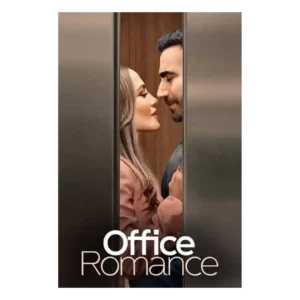
Overall: 3.0/5
The music supports the throwback mood, though the original score is sometimes judged overly corny.
Pros: supporting cast performance, lead performance
Cons: chemistry between characters, humor
Overall: 2.6/5
The music draws sharply mixed reactions. One source praises Marco Beltrami’s score as memorable and intense, while others call it generic, intrusive, or ineffective at building menace.
Pros: acting performance, lead performance
Cons: story quality, suspense

Overall: 2.5/5
The grandiose campaign music is treated as a heavy-handed attempt to establish the protagonist’s decency.
Pros: supporting cast performance, casting quality
Cons: entertainment value, screenplay quality

Overall: 3.0/5
A generic synth-heavy score is criticized as a poor substitute for the more distinctive musical identity expected from Stranger Things.
Pros: animation quality, acting quality
Cons: story quality, character development

Overall: 3.5/5
One review found the score actively mismatched to the dialogue, saying it undercut scenes instead of reinforcing their intended emotion.
Pros: main cast performance, theme depth
Cons: story quality, character development
Overall: 2.4/5
One critic says the piano-led emotional scoring feels aggressively manipulative rather than moving.
Pros: main cast performance, episode length
Cons: humor, emotional impact
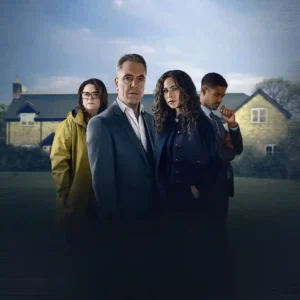
Overall: 3.8/5
The musical score receives little direct discussion, but one strongly negative viewer comment calls the music amateurish.
Pros: entertainment value, story quality
Cons: plot clarity, finale satisfaction
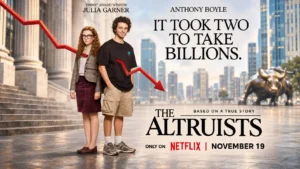
Overall: 3.2/5
Overly obvious dramatic music can make the emotional cues feel manipulative.
Pros: acting performance, character development
Cons: romance quality, story quality