Best for dialogue quality
Shaun the Sheep: The Beast of Mossy Bottom
5.0 attribute score
Highest scored product for this attribute based on supporting review evidence.

Highest scored product for this attribute based on supporting review evidence.
Balances the attribute score, supporting reviews, and overall product strength.
Has the broadest review evidence for this attribute.
Strongest overall product among items with scored evidence for this attribute.

The almost dialogue-free storytelling remains remarkably clear, using pantomime, expressions, sounds, and sequencing to communicate plot and emotion across languages.
Pros: humor, animation quality
Cons: pacing, originality
Conversation is one of the show’s pleasures, from dry exchanges and barroom humor to quieter discussions of honor and class. Small talk often carries more personality than exposition.
Pros: story quality, entertainment value
Cons: violence level, editing quality

Dialogue remains quick, witty and rooted in the characters’ comic voices. The final joke-writing exchange is repeatedly treated as a strong reminder of what makes Deborah and Ava work.
Pros: humor, finale satisfaction
Cons: realism, season pacing

Sharp dialogue and careful wordplay are singled out, with jokes landing through punch lines, rhythm, and character-specific verbal habits.
Pros: humor, cast chemistry
Cons: season length, season pacing

The sharpest dialogue—especially between Mozart and Salieri—is repeatedly praised as sparkling, venomous, and one of the adaptation’s best-written elements.
Pros: entertainment value, soundtrack quality
Cons: plot originality, season pacing

Reviewers praise sharper, more confident dialogue and especially Chad’s unpredictable lines, which keep the comedy surprising rather than purely dependent on the disguise.
Pros: humor, character development
Cons: season length, writing quality

The dialogue stands out for its easy flow, overlapping banter, awkward asides and sharp cringe-comedy rhythm.
Pros: humor, writing quality

The strongest dialogue is poetic, emotionally precise, and capable of carrying large ideas without always turning into a lecture. The Lee-Hamilton conversations and Charles’s letter are recurring highlights.
Pros: main cast performance, story quality
Cons: character balance, episode pacing

The quick, acerbic dialogue remains a standout, with razor-sharp exchanges and dry wit surviving the season’s darker turn. Reviewers especially praised how the banter keeps tension from becoming monotonous.
Pros: main cast performance, humor
Cons: plot originality

The dialogue is strongest when it captures inside jokes, banter, and humor rooted in character history. Its witty, touching exchanges help the relationships feel lived in.
Pros: story quality, emotional impact
Cons: plot originality, pacing

Sharp lines, witty banter, and precise comic phrasing are repeatedly singled out as part of the show’s appeal.
Pros: theme depth, humor
Cons: character consistency

The sharpest dialogue is praised for giving the women’s-rights material extra bite and depth.
Pros: character development, story quality
Cons: character balance, episode pacing

One review singled out the slick dialogue as part of what makes the morally complicated ensemble feel convincing.
Pros: theme depth, story quality
Cons: season pacing, writing quality
At its best, the dialogue turns deliberate nonsense into sharp punchlines. The weakest lines can feel wooden or overworked, but the verbal hit rate impressed several critics.
Pros: humor, entertainment value
Cons: audience appeal, pacing

The dialogue is praised as clever, with the cast helping throwaway lines land as sharper, funnier exchanges.
Pros: humor, story quality
Cons: plot originality, romance quality

The dialogue was praised as realistic and punchy, helping the show move between family conflict, humor, and class commentary.
Pros: audience appeal, character development
Cons: season pacing, season length

The brothers’ revived banter is a highlight, with quick jokes and affectionate sparring giving the film much of its comic personality.
Pros: emotional impact, audience appeal
Cons: story quality, pacing

Dialogue is generally valued for trusting viewers and letting tense or funny exchanges carry ideas without excessive exposition.
Pros: acting quality, story quality
Cons: season pacing, character likability

Dialogue is praised for helping the season stay grounded. Reviewers describe the conversation and medical exchanges as convincing rather than artificially melodramatic.
Pros: realism, emotional impact

The dialogue is praised as beautiful and poetic, with an intentionally formal musicality that helps evoke the period world.
Pros: visual style, character development
Cons: faithfulness to source material, season pacing

Dialogue is praised as purposeful, with lines tied closely to character, faith, and payoff. The film’s conversations often carry as much weight as its fights.
Pros: lead performance, action sequences
Cons: plot clarity, pacing

McGee's rapid-fire dialogue is a major strength: sharp, profane, layered, and often devastatingly funny in the same breath. Its speed can demand concentration, but reviewers repeatedly say the banter crackles.
Pros: humor, story quality
Cons: plot clarity, season length

Fast, sharp, witty dialogue is one of the most consistent strengths. The legal exchanges, insults, and class satire give the series much of its energy even when other elements divide...
Pros: acting quality, entertainment value
Cons: finale satisfaction, realism

Fast, witty exchanges reveal power, insecurity, and character while keeping conversations unusually exciting. The speed can take a little adjustment, but the dialogue is one of the most consistently praised...
Pros: screenplay quality, directing quality
Cons: historical accuracy, Portrayal of women
The dialogue is consistently witty, cheeky, and packed with knowingly outrageous period jokes.
Pros: character development, entertainment value
Cons: sexual content level, plot clarity

The dialogue is generally praised as sharp and purposeful, with several reviewers singling out the writing enough to want every line to land clearly. Even positive accounts note that some...
Pros: lead performance, suspense
Cons: character development, pacing

Dialogue is usually a strength, especially in the lead confrontations, with praise for natural speech and sharp exchanges. A few negative reactions still point to clunky or over-expository lines.
Pros: bingeability, main cast performance
Cons: plot twists, writing quality

Dialogue is praised for balancing flinty humor, intimacy, and difficult conversations about abuse. Alice and Danny's exchanges and Alice-Nora conversations are particular highlights.
Pros: main cast performance, character development
Cons: pilot episode quality
The strongest lines use queer wordplay, double meanings, and conversational rhythm rather than relying only on familiar references.
Pros: humor, audience appeal
Cons: entertainment value, pacing

Sharp barbs, oddball exchanges, and endlessly quoted lines are among the film’s most consistent strengths. The dialogue remains memorable even for viewers who dislike other parts of the movie.
Pros: humor, supporting cast performance
Cons: ending satisfaction, pacing

Rapid, overlapping exchanges deliver much of the sharp humor, with snappy barbs and well-timed verbal sparring. The original French track helps preserve the rhythm.
Pros: celebrity cameos, humor
Cons: pacing, ensemble balance
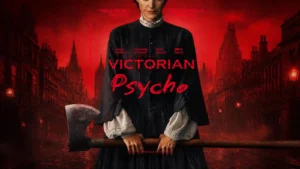
Winifred’s inner monologue and narration are frequently singled out as funny, compelling and revealing, while the script also lands witty social gags. The voiceover is one of the clearest sources...
Pros: genre satisfaction, lead performance
Cons: ending satisfaction, screenplay quality
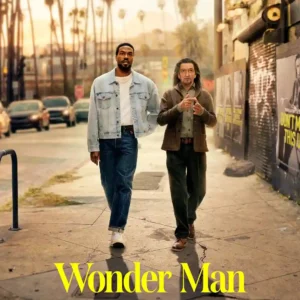
Actorly conversations and Trevor's monologues give the dialogue warmth and purpose, with Kingsley's line delivery frequently singled out.
Pros: entertainment value, humor
Cons: critic appeal, villain quality

Dialogue is a clear comedic asset, with reviewers calling it laugh-out-loud funny rather than broad spoof writing.
Pros: genre satisfaction, suspense

The quick banter between Niki and Harry provides many of the early laughs, while occasional lines in the crime plot strike some as forced.
Pros: entertainment value, acting performance
Cons: plot originality, ending satisfaction

Natural teen dialogue is one of the strongest areas of agreement, with praise for overlapping speech, filler words, humor, and current vernacular. A handful of critics found some lines stilted,...
Pros: dialogue quality, theme depth
Cons: character balance, sexual content level

The conversations sound unusually natural, with pauses, unfinished thoughts, teasing, and emotional restraint. Some everyday chatter can feel flat or banal, but that awkwardness often strengthens the realism.
Pros: animation quality, story quality
Cons: plot clarity, pacing
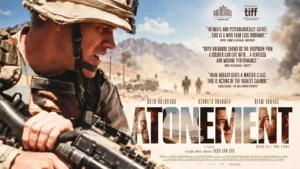
The quiet, restrained exchanges avoid tidy speeches and let silence carry meaning, though some conversations feel overly deliberate about the themes.
Pros: theme depth, emotional impact
Cons: screenplay quality, pacing

The strongest dialogue mixes intimate conversation with showy monologues. Reviewers praised convincing exchanges and standout speeches, though some of the sci-fi explanation can become harder to follow.
Pros: story quality, emotional impact
Cons: plot clarity, season pacing

The sparse dialogue is treated as a strength, allowing the film to stay clear and engaging through movement, sound, and visual storytelling.
Pros: story quality, theme depth
Cons: pacing

Individual lines and punchlines are often singled out as sharp, sometimes even layered. The best bits stick with viewers, though that precision is not consistent across the whole hour.
Pros: theme depth, genre satisfaction
Cons: humor, sexual content level

The dialogue earns clear praise where it is directly discussed, especially for sharp comedy and high-quality exchanges that help social situations unravel.
Pros: humor, theme depth
Cons: character development, screenplay quality

The updated quips fit neatly beside classic mystery conventions, helping the contemporary setting feel playful rather than forced.
Pros: modernization quality, cast chemistry
Cons: story quality
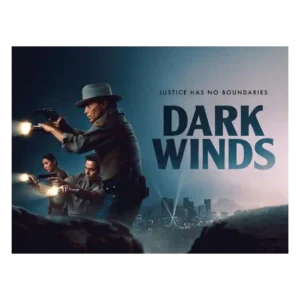
Dialogue gets narrower but positive support through scenes where Leaphorn’s quiet monologues carry emotional weight. The season’s talkier moments work best when tied to violence, guilt, or cultural responsibility.
Pros: acting quality, supporting cast performance
Cons: plot clarity

The multilingual exchanges in Japanese, Spanish, and English efficiently establish intimacy and a lived-in cross-cultural relationship.
Pros: lead performance, entertainment value
Cons: story quality, character development

The dialogue-heavy ACL episode is praised for turning insular bickering, movie-watching rules, and recurring sarcasm into a particularly funny set piece.
Pros: humor, story quality
Cons: plot originality

The script’s antagonistic exchanges and character banter can be lively and fun, particularly when Hal, John, and Kerry are sparring.
Pros: character development, cast chemistry
Cons: faithfulness to source material, story quality

The strongest exchanges combine witty banter with expressive timing, though weaker scenes lean too heavily on profanity and awkward oversharing.
Pros: supporting cast performance, lead performance
Cons: chemistry between characters, humor
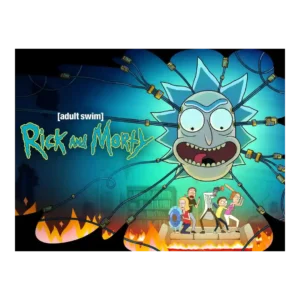
Dialogue is praised when it turns small domestic details, like the Smith family pool, into running comedy. The season’s talky bits work best when everyday details collide with sci-fi stakes.
Pros: humor, entertainment value
Cons: supporting cast performance

The team-clique banter lands well when the show keeps conversations compact, playful, and rooted in character.
Pros: humor, sports storyline quality
Cons: story quality, character development