Best for status light control
TP-Link Archer BE550
4.8 attribute score
Highest scored product for this attribute based on supporting review evidence.

Highest scored product for this attribute based on supporting review evidence.
Balances the attribute score, supporting reviews, and overall product strength.
Has the broadest review evidence for this attribute.
Strongest overall product among items with scored evidence for this attribute.

Overall: 4.3/5
Physical and software controls make it easy to disable or dim the prominent LEDs.
Pros: value for money, Wi-Fi speed
Cons: subscription requirements, WAN port speed
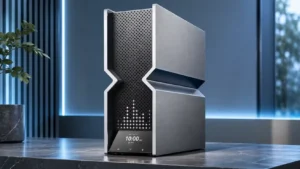
Overall: 4.1/5
Both front screens can be dimmed or disabled, and can be scheduled to turn off overnight.
Pros: wireless performance, Wi-Fi speed
Cons: value for money, size and footprint

Overall: 4.1/5
Physical and software controls make it easy to turn off distracting status lights.
Pros: value for money, Wi-Fi speed
Cons: 6 GHz performance, subscription requirements

Overall: 4.2/5
The option to turn off the indicator at night is particularly welcome in bedrooms and home theaters.
Pros: value for money, Wi-Fi speed
Cons: subscription requirements, long-range speed

Overall: 4.3/5
The bright logo can be customized, dimmed with night mode or switched off entirely.
Pros: Wi-Fi speed, Ethernet port count
Cons: 10 GbE support, WAN port speed
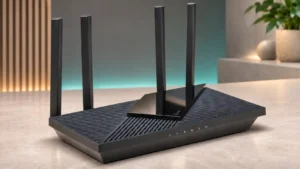
Overall: 4.0/5
LED scheduling is useful for turning off distracting status lights at night.
Pros: value for money, parental controls
Cons: subscription requirements, multi-gig Ethernet support
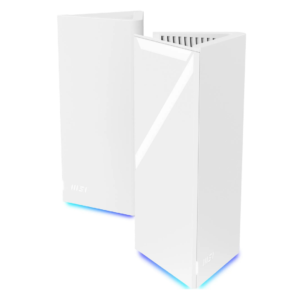
Overall: 4.3/5
RGB lighting is attractive and adjustable, but scheduling behavior was inconsistent across reviews and firmware versions.
Pros: value for money, design and appearance
Cons: node pairing ease, outdoor coverage