
Progression is widely praised for making failed and successful runs feel useful, with steady unlocks, resources, arcana, and new systems.
Pros: combat system, progression system
Cons: originality

Progression is widely praised for making failed and successful runs feel useful, with steady unlocks, resources, arcana, and new systems.
Pros: combat system, progression system
Cons: originality
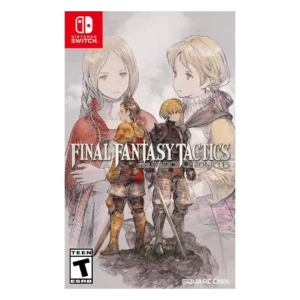
Progression remained satisfying, especially the constant job-point feedback and visible advancement toward new abilities.
Pros: remake/remaster quality, voice acting
Cons: content variety, camera behavior
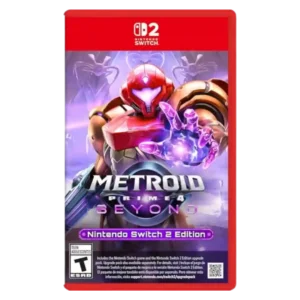
Progression was praised when upgrades opened new routes and improved movement, though some disliked overly linear or lock-and-key usage.
Pros: boss design, graphics quality
Cons: open-world design, side character depth

Reviewers strongly praised the checklist, achievements, unlocks, and constant rewards, though one negative review felt too many rewards were cosmetic.
Pros: battle mode quality, content variety
Cons: learning curve, competitive balance

Progression is broadly praised, especially boss-attempt rewards, free skill respecs, and multiple growth systems that keep failures productive.
Pros: combat system, boss design
Cons: narrative quality, difficulty balance
The Orbment/progression systems were praised for flexible character building and rewarding experimentation.
Pros: remake/remaster quality, combat system
Cons: content variety

Hero leveling and special abilities add useful strategic depth to dispatch shifts. Reviewers enjoy tailoring stats and seeing mechanical growth parallel character development.
Pros: choice impact, narrative quality
Cons: gameplay mechanics, QTE design

Progression is praised for steadily adding moves, abilities, upgrades, and customization that keep combat and traversal evolving.
Pros: combat system, faithfulness to franchise
Cons: narrative quality, frame rate stability

Progression was widely praised for turning early friction into rewarding growth through skills, perks, equipment, and player learning.
Pros: combat system, narrative quality
Cons: save system reliability, learning curve
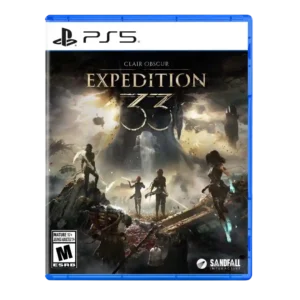
Progression earned strong marks for build preparation, Pictos/Lumina, customization, and viable options, with only occasional complexity caveats.
Pros: narrative quality, combat system
Cons: map and navigation design, menu usability

Progression was praised for a rewarding map loop, meaningful unlocks, and steady character growth.
Pros: combat system, character roster
Cons: level design, mission design
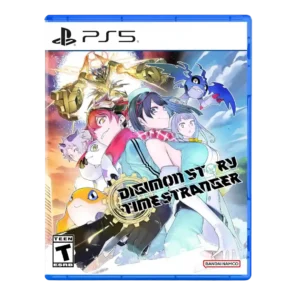
Progression was one of the strongest areas, with Digivolution, Agent Rank, personality growth, and team-building repeatedly called gratifying, flexible, and deep.
Pros: progression system, narrative quality
Cons: pacing, content variety

Progression is a major strength, especially the shared leveling across modes, weapon Prestige, and camo grind. The systems give long-term players clear reasons to keep rotating through different activities.
Pros: multiplayer design, level design
Cons: fun factor, narrative quality

The Lilium Orb progression system is widely praised for being flexible, rewarding, and constantly engaging. Reviewers like choosing stat, skill, and Arte growth instead of following a rigid path.
Pros: combat system, remake/remaster quality
Cons: animation quality, environmental detail

Progression was widely praised for maintaining forward momentum, though some skill-tree and grind complaints remained.
Pros: sound design, combat system
Cons: voice acting, menu usability

Progression is praised for faster unlock pacing and more forgiving advancement that keeps deliveries rewarding.
Pros: narrative quality, combat system
Cons: difficulty balance, weapon balance

Progression, perks, flaws, and no-respec commitment were widely praised, though level-cap and respec complaints created some friction.
Pros: combat system, progression system
Cons: pacing, AI behavior

Progression is praised for tying upgrades to exploration and skill shrines, though some reviewers want more depth or nuance.
Pros: combat system, narrative quality
Cons: grind level, innovation
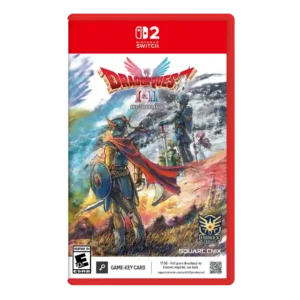
Scrolls and character growth were praised for adding light customization and clearer progression without becoming overly complicated.
Pros: remake/remaster quality, combat system
Cons: difficulty balance, grind level

Progression was viewed positively when upgrades and New Game+ rewards encouraged exploration and gave players more reasons to revisit areas.
Pros: puzzle design, narrative quality
Cons: combat system, enemy variety
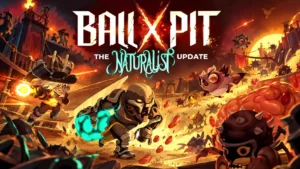
Persistent stats, blueprints, and town bonuses usually make even failed runs feel productive. Slower unlocks and an eventual shift into overwhelming power can weaken that sense of progress for some...
Pros: fun factor, upgrade system
Cons: user interface design, grind level

Progression is generally praised for fresh upgrades and satisfying forward motion, but one review criticizes opaque true-ending requirements.
Pros: difficulty balance, art direction
Cons: economy and resource balance, checkpoint system
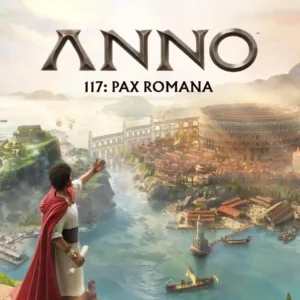
Research and progression are flexible and rewarding, with Discovery Tree choices and less rigid citizen advancement encouraging different builds across playthroughs.
Pros: fun factor, graphics quality
Cons: learning curve, bug frequency

Five experience categories feed stats, abilities, and Heat Actions, and many reviewers like how ordinary activities contribute to growth. A few find the menus or progression less exciting than earlier...
Pros: narrative quality, combat system
Cons: onboarding experience, difficulty balance

Progression is mostly praised for satisfying loops and steady improvement, though early paths can feel irksome or uneven.
Pros: core gameplay loop, narrative quality
Cons: crafting system, multiplayer design

The relationship and choice systems were often praised for reactivity, especially in Tape 2, though at least one review felt dialogue choices lacked meaning.
Pros: narrative quality, character development
Cons: pacing, gameplay mechanics
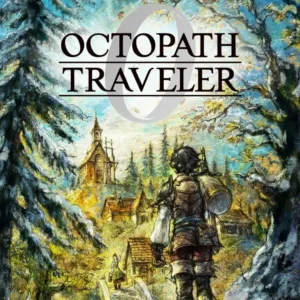
Job points, mastery skills, transferable abilities, town facilities, and a flexible protagonist give progression substantial depth and keep party experimentation rewarding across the long campaign.
Pros: narrative quality, combat system
Cons: pacing, side character depth

Ranks, challenges, tournaments, and cosmetic unlocks give World Stage a clear sense of advancement, although reward pacing can feel slow or less generous than older Quest modes.
Pros: remake/remaster quality, combat system
Cons: content variety, character customization
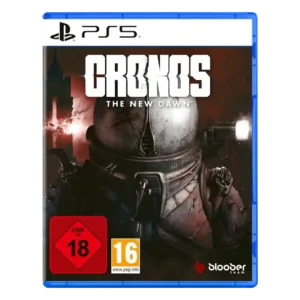
Progression through essence buffs and character shaping was considered interesting, though not always transparent.
Pros: combat system, narrative quality
Cons: boss design, puzzle design

The viewer-rating and Mojo Bucks structure cleverly turns stylish combat into progression, giving creative kills a practical reason beyond score chasing.
Pros: combat system, voice acting
Cons: pacing, boss design
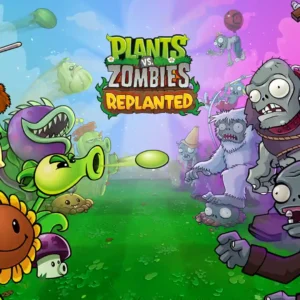
Adventure’s steady stream of new plants and changing threats gives the campaign a strong sense of forward motion. Some post-game unlocks and galleries are slower or more awkward to open...
Pros: fun factor, remake/remaster quality
Cons: graphics quality, soundtrack quality

Progression is deliberately gear-driven rather than level-driven, and that focus suits the survival structure. Better weapons, armor, artifacts, and upgrades make improvement feel tangible without turning Skif into a conventional...
Pros: immersion, fun factor
Cons: bug frequency, AI behavior

Progression is often praised for customization and character growth, but some reviewers dislike slow early growth, RNG layers, or Ultimate Vault Hunter progression friction.
Pros: movement feel, loot system
Cons: performance optimization, narrative quality

Mastering the movement and unlocking equipment provide a satisfying sense of progress for many. Others want more new core moves or a richer selection of worthwhile abilities as the campaign...
Pros: overall quality, difficulty balance
Cons: frame rate stability, performance optimization

Progression received mixed-to-positive notes: skill points gave short-term goals, though some reviewers questioned whether the systems were necessary or evenly useful.
Pros: fun factor, world interactivity
Cons: frame rate stability, boss design

Progression was viewed as useful and content-rich, but some reviewers disliked simplified goals or locking endgame challenges behind completion layers.
Pros: level design, remake/remaster quality
Cons: soundtrack quality, mission design
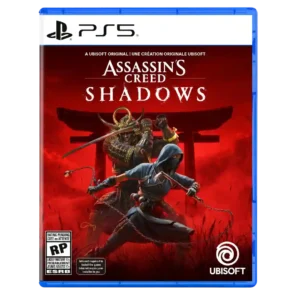
Progression usually feels rewarding through knowledge, skills, and character growth, but some reviewers found it only decent or half-hearted.
Pros: stealth mechanics, graphics quality
Cons: narrative quality, mission variety

Faction progression is one of the strongest long-term hooks, with reputation, upgrades, materials, and rewards giving failed runs some forward momentum. Seasonal resets and slow early progress are the main...
Pros: fun factor, loot system
Cons: difficulty balance, quest design
The technology and advancement structure earns praise for depth and scale, but its sprawling presentation can be cumbersome and difficult to navigate.
Pros: gameplay mechanics, fun factor
Cons: learning curve, AI behavior

Light RPG progression is welcomed by several reviewers, but others say it becomes shallow or grind-driven.
Pros: content variety, gameplay mechanics
Cons: learning curve, user interface design
The age, civ-switching, legacy, and meta-progression systems were the product’s central split, praised as fresh by some and criticized as disjointed or anti-Civ by others.
Pros: fun factor, economy and resource balance
Cons: progression system, user interface design

Progression through the Z-A Royale was enjoyable for some, but rank skipping and façade-like structure disappointed several reviewers.
Pros: combat system, exploration quality
Cons: graphics quality, voice acting
Progression was mixed, with useful relics and quests praised but meta-progression often criticized as thin, random, or too limited.
Pros: co-op experience, fun factor
Cons: difficulty balance, social features

Progression systems were divisive: some liked flexible builds and added points, while others found midgame growth stagnant or too gear-dependent.
Pros: combat system, narrative quality
Cons: difficulty balance, enemy variety

In-match class leveling and shared weapon progress can feel satisfying, but Battle Pass integration drags the broader progression system down. Forced or cross-mode challenges are a repeated source of frustration.
Pros: fun factor, battle mode quality
Cons: multiplayer design, replay value

Progression was mixed: several reviews liked smoother systems, but others thought unlocks dragged or progression became too fast to matter.
Pros: combat system, narrative quality
Cons: difficulty balance, endgame content

Progression was intentionally minimal, with no score tracking or skill leveling, which some players may find limiting.
Pros: co-op experience, content variety
Cons: writing quality, narrative quality

progression was divisive: straightforward or rewarding for some, but slow, grindy, or frustrating for others.
Pros: multiplayer design, sound design
Cons: narrative quality, map and navigation design

Useful health, equipment, and looting perks help shape play, but the unchanged progression lacks surprise. Delaying character unlocks until completion further weakens the first-run reward structure.
Pros: overall quality, level design
Cons: innovation, mission design
Progression was the most divisive system: some liked the steady growth, while others felt it over-relied on grinding and numbers.
Pros: combat system, replay value
Cons: narrative quality, grind level