#1

The open world is almost universally praised for freedom, density, verticality, and the way it turns difficulty into a choice to explore elsewhere. Reviewers repeatedly describe it as a benchmark...
Pros: performance optimization, frame rate stability
Cons: controller ergonomics, platform-specific feature support
#2
The open world is one of Skyrim’s most universally praised achievements: dense, scenic, explorable, and filled with reasons to leave the road. It still serves as a benchmark for player-driven...
Pros: graphics quality, progression system
Cons: combat system, bug frequency
#3
The huge procedural world feels cohesive rather than disposable, with enough scale and personality for players to form a real attachment to their own map.
Pros: town-building system, exploration quality
Cons: grind level, fast travel convenience
#4
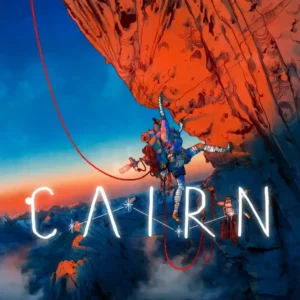
Kami is treated as a largely continuous space with substantial route freedom rather than a sequence of fixed climbing lanes, giving players room to chart their own ascent.
Pros: narrative quality, emotional impact
Cons: difficulty balance, gameplay mechanics
#5

The open world is the clearest consensus strength, repeatedly described as huge, dense, beautiful, and a major step up.
Pros: graphics quality, driving mechanics
Cons: world interactivity, AI behavior
#6
Felicia Bay is one of the most consistent strengths: large, attractive, varied, and full of distinct districts, highways, towns, coastlines, and points of interest.
Pros: open-world design, fun factor
Cons: AI behavior, polish
#7

Idyll is one of Aniimo’s strongest assets, with varied biomes, weather, creature habitats, secrets, and movement abilities that make the world feel built around exploration rather than empty distance.
Pros: fun factor, gameplay mechanics
Cons: monetization fairness, menu usability
#8
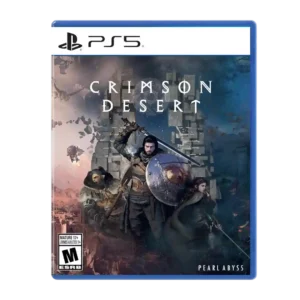
Reviewer evidence is strongly positive: open-world design was repeatedly praised as a standout strength across 9 review(s).
Pros: combat system, graphics quality
Cons: controls responsiveness, narrative quality
#9
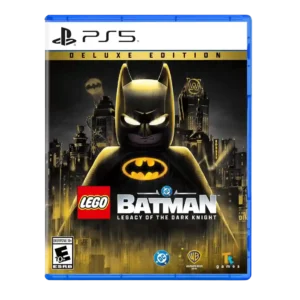
The open world is consistently viewed as a strength, described as vibrant, rewarding, deep, sprawling, and possibly the best Lego open world yet.
Pros: combat system, exploration quality
#10

The game avoids a single seamless open world in favor of large connected zones, a structure that keeps exploration broad without becoming bloated.
Pros: combat system, narrative quality
Cons: difficulty balance, grind level
#11
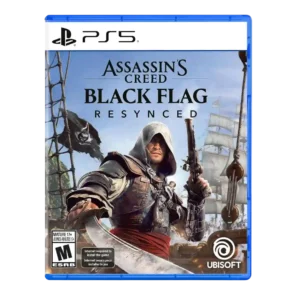
The open world is praised for preserving the Caribbean map while making it more seamless and easier to move through.
Pros: graphics quality, remake/remaster quality
Cons: DLC value, multiplayer design
#12
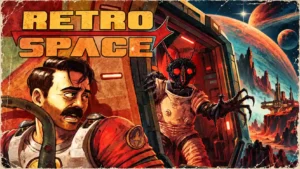
The station feels like a connected place rather than a sequence of isolated rooms. Opening routes and revisiting transformed sectors gives exploration continuity, although mentally mapping that structure can be...
Pros: overall quality, art direction
Cons: map and navigation design, difficulty balance
#13
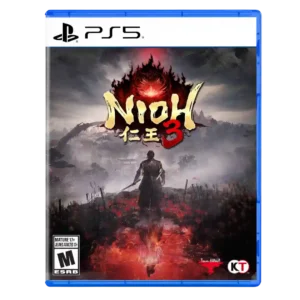
The open-field/open-world shift was mostly praised as a strong evolution, with a minority finding it unnecessary or gimmicky.
Pros: combat system, open-world design
Cons: narrative quality, performance optimization
#14
The shared Manhattan map offers plentiful activities and organic player encounters, though one player found parts of it lifeless and dated.
Pros: content variety, controls responsiveness
Cons: narrative quality, menu usability
#15
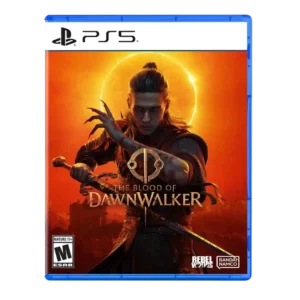
The smaller, focused Vale Sangora is often preferred to a bloated map, with quests and locations tied closely to the central conflict. Repetitive camps and icon-driven activities occasionally pull it...
Pros: combat system, fun factor
Cons: content variety, polish
#16
Freedom to change regions helps players manage difficult puzzles, and the overworld itself adds further challenges. Its sheer scale and required travel feel unwieldy or unengaging to some.
Pros: overall quality, puzzle design
Cons: narrative quality, difficulty balance
#17
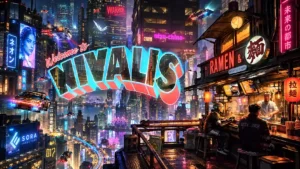
The city feels dense, populated, and visually distinctive, with separate districts rather than one seamless expanse. Access gates and limited activity inside some buildings can constrain the sense of discovery.
Pros: overall quality, shopkeeping system
Cons: performance optimization, pacing
#18
Replacing isolated missions with a connected Overworld gives exploration more continuity and secrets to chase. The advertised openness still feels constrained or underused to some.
Pros: open-world design, graphics quality
Cons: narrative quality, endgame content
#19

The semi-open structure is widely seen as a refreshing change from linear horde shooters, adding exploration and routing freedom, though critics argue it can make missions feel flabby or repetitive.
Pros: fun factor, combat system
Cons: mission variety, progression system
#20
The semi-open structure is mostly a successful evolution, widening player choice without turning the game into a checklist-heavy full open world.
Pros: fun factor, stealth mechanics
Cons: polish, combat system
#21

Open-world elements are light but appreciated as broader, semi-open island or boat structure rather than a full open-world design.
Pros: narrative quality, atmosphere
Cons: puzzle design, fun factor
#22
The connected island is viewed as a meaningful upgrade that gives players a visible, customizable world, though building depth is not universally praised.
Pros: character customization, fun factor
Cons: content variety, gameplay mechanics
#23
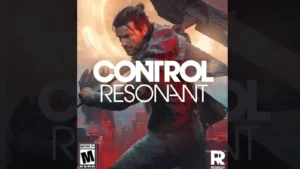
The zoned Manhattan is admired for feeling hand-crafted, vertical, and distinctly Remedy rather than like a generic checklist map. Still, some critics see bloat, repeated activities, or a loss of...
Pros: combat system, narrative quality
Cons: boss design, map and navigation design
#24

The four-island format is the game’s biggest point of disagreement. Fans enjoy the freedom and colorful playgrounds, while critics see empty spaces, weaker scale, and a structure that adds size...
Pros: fun factor, open-world design
Cons: collectibles, originality
#25
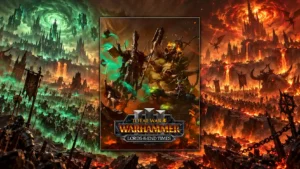
Immortal Empires remains an enormous, impressive sandbox, though its scale can dilute direction and Nagash’s starting position can distort the regional campaign too quickly.
Pros: gameplay mechanics, fun factor
Cons: AI behavior, polish
#26
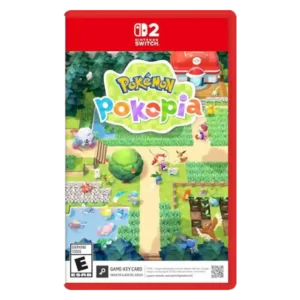
The open-world structure was praised for scale and freedom but could become daunting without enough guardrails.
Pros: core gameplay loop, content variety
Cons: pacing, menu usability
#27
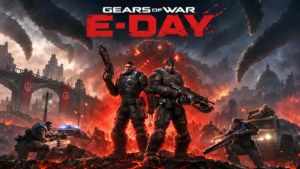
The semi-open structure is divisive: some appreciate dense, compact districts that avoid a traditional open-world sprawl, while others feel the structure is awkward, repetitive, and poorly matched to Gears’ strengths.
Pros: combat system, graphics quality
Cons: exploration quality, mission design
#28
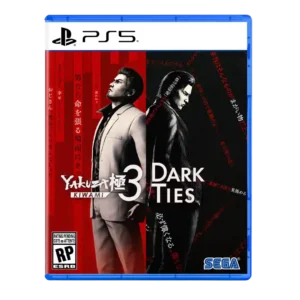
The compact open-world areas feel dense and rewarding rather than huge, with optional restaurants, minigames, substories, collectibles, and fights packed into each district.
Pros: fun factor, combat system
Cons: pacing, battle mode quality
#29

Open-world design was only lightly supported; one reviewer felt the game gives the illusion of openness while still expecting specific sequences.
Pros: narrative quality, voice acting
Cons: bug frequency, menu usability
#30

The deliberate rejection of an open world keeps the adventure focused, though players differ sharply on whether that focus feels refreshing or restrictive.
Pros: fun factor, combat system
Cons: originality, level design
#31
The move to an open world creates more freedom and scale, but it is also one of the most disputed changes. Empty stretches, repeated content, invisible barriers, and weak navigation...
Pros: fun factor, narrative quality
Cons: boss design, exploration quality
#32

The City is a useful social basketball hub with plenty to do, but it can also feel overwhelming, commercialized, or too similar to last year.
Pros: gameplay mechanics, fun factor
Cons: microtransaction impact, animation quality
#33

The Grounds is the biggest divider. Some enjoy it as a pleasant social hub and quick route into small-sided games, while many find it shallow, bland, underdeveloped, or less efficient...
Pros: gameplay mechanics, progression system
Cons: open-world design, AI behavior
#34
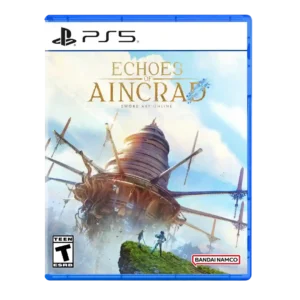
Open-zone design was a major split: reviewers liked the scale and themed spaces, but repeatedly flagged barren areas, limited interaction, and thin content.
Pros: combat system, companion AI
Cons: open-world design, movement feel
#35
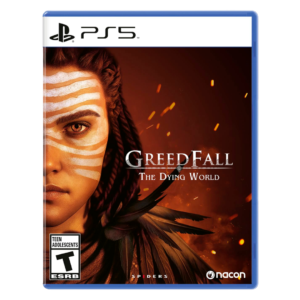
The semi-open structure has appealing regions and freedom once it opens up, but some reviewers find the world too scripted, sparse, or restrictive to fully deliver on its open-ended promise.
Pros: narrative quality, side character depth
Cons: combat system, polish
#36
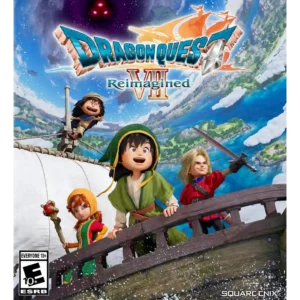
This is a focused, island-based adventure rather than a free-roaming world, and players who value getting sidetracked may find the small, linear spaces restrictive.
Pros: combat system, accessibility options
Cons: pacing, difficulty balance
#37

The Island has improved with voice acting, factions, Towers, and better navigation, but it still falls short as an open-world space. Its hub can feel shallow, commercialized, and oddly lifeless.
Pros: fun factor, gameplay mechanics
Cons: grind level, value for money
#38

Berseria is notably linear rather than truly open, and a couple of reviewers felt the zones were smaller or more constrained than they first appeared.
Pros: narrative quality, combat system
Cons: remake/remaster quality, value for money
#39
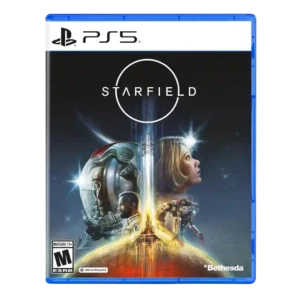
The open-world structure disappoints reviewers who expected seamless discovery, with empty terrain and repeated outposts undercutting the sense of a living galaxy.
Pros: fun factor, combat system
Cons: bug frequency, narrative quality
#40
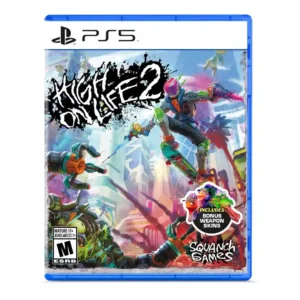
Expanded hub spaces support more secrets and side activities, but their larger scale can feel sparse, empty, or directionless.
Pros: writing quality, fun factor
Cons: bug frequency, combat system
#41
The central Kyoto hub is the most consistent structural complaint. Reviewers often see its fetch quests, repeated streets, and resource chores as padding between much stronger linear levels and boss...
Pros: combat system, fun factor
Cons: pacing, open-world design
#42

A player who prefers open worlds finds the fixed central storyline too restrictive. The campaign’s linear structure does not suit that desire for free exploration.
Pros: faithfulness to franchise, narrative quality
Cons: combat system, boss design
