Co-op meaningfully expands the management simulation by letting up to four players coordinate routes, fleets, and driving duties together.
Pros: open-world design, fun factor
Cons: AI behavior, polish

Co-op meaningfully expands the management simulation by letting up to four players coordinate routes, fleets, and driving duties together.
Pros: open-world design, fun factor
Cons: AI behavior, polish
Four-player co-op, shared-world teaming, clans, dedicated PvP, and the Dark Zone form a strong multiplayer package.
Pros: content variety, controls responsiveness
Cons: narrative quality, menu usability
Co-op works well because tasks and roles emerge naturally among players instead of being forced by rigid class assignments.
Pros: town-building system, exploration quality
Cons: grind level, fast travel convenience
Multiplayer design is praised in one review because separate co-op builds can complement each other during runs.
Pros: combat system, character roster
Cons: narrative quality, learning curve

Multiplayer design is generally positive, especially online modes, leagues, robust options, and win-focused competition.
Pros: graphics quality, driving mechanics
Cons: world interactivity, AI behavior
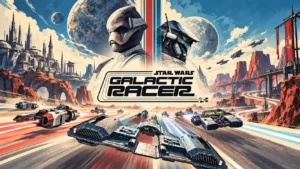
Online tours adapt vehicle building, rivalries, and wagers into exciting multi-race competition. Limited group options, uneven builds, and occasional slow interludes keep the enthusiasm from being universal.
Pros: fun factor, overall quality
Cons: difficulty balance, pacing
Multiplayer design was received positively, especially the improved Movie Night mode and the idea of working together under impostor pressure.
Pros: horror tension, gameplay mechanics
Cons: AI behavior, polish
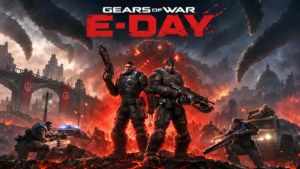
Early impressions are enthusiastic about 4v4 Versus and the larger 12-player Horde Siege concept. Some launch reviews remain provisional because multiplayer was unavailable before embargo.
Pros: combat system, graphics quality
Cons: exploration quality, mission design
Multiplayer design is repeatedly highlighted as quick, quirky, tense, chaotic, and well suited to party play, especially the cake-grabbing competitive mode.
Pros: fun factor, difficulty balance
Cons: value for money
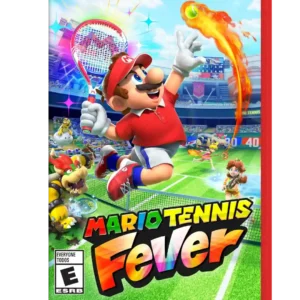
Local and online multiplayer form the heart of the experience, with flexible singles, doubles, ranked play, private rooms, and GameShare. Reviewers love the social tennis, though some criticize missing ranked-duos...
Pros: fun factor, gameplay mechanics
Cons: tutorial quality, onboarding experience

The resident-rescue scoring system and two-sided objectives make multiplayer feel different from many rivals, but AI, pacing, and PvE emphasis determine whether that difference feels fresh or frustrating.
Pros: fun factor, multiplayer design
Cons: bug frequency, AI behavior
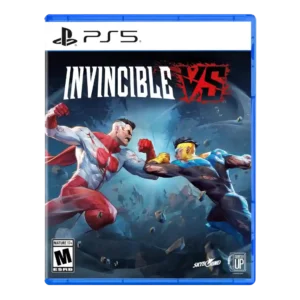
Multiplayer design was mostly praised for tag tactics, team composition, and defensive tools, but one beta reviewer disliked the tag-guessing system.
Pros: fun factor, combat system
Cons: learning curve, competitive balance
Local, online, mixed-party, and matchmaking options provide flexible group play, with persistent online/offline character restrictions complicating mode changes.
Pros: open-world design, graphics quality
Cons: narrative quality, endgame content
Multiplayer adds strong value through co-op and competitive side modes, but the main campaign is not always fully tuned for two players. The result is fun but occasionally crowded or...
Pros: replay value, difficulty balance
Cons: game length, boss design

The expanded online hub and social match options add more ways to play with others, and the underlying wrestling remains enjoyable competitively. Performance and monetization around online modes can still...
Pros: fun factor, gameplay mechanics
Cons: grind level, value for money
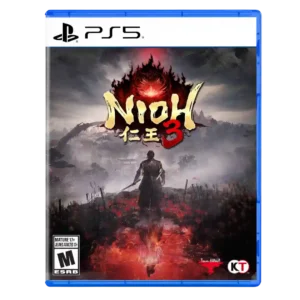
Multiplayer design received limited positive evidence for remaining a strong suit.
Pros: combat system, open-world design
Cons: narrative quality, performance optimization
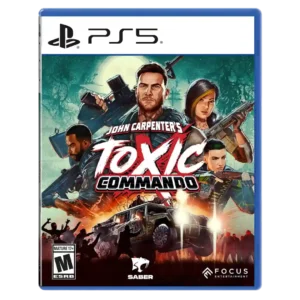
The multiplayer design favors straightforward squad play over competitive complexity, and reviewers generally like how easy it is to coordinate roles and share the chaos.
Pros: fun factor, combat system
Cons: mission variety, progression system
Five-player structure and personal loot can work very well, especially when builds and ultimates complement one another. Poor scaling and shallow teamwork mechanics keep it from being universally successful.
Pros: co-op experience, soundtrack quality
Cons: upgrade system, faithfulness to franchise
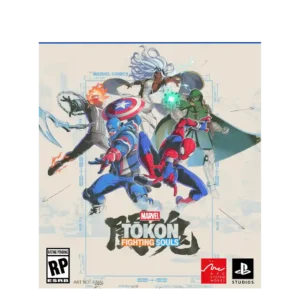
The 4v4/tag structure is the most debated design point: some praise all-out team play, while others question tagging incentives and clunky swaps.
Pros: fun factor, character roster
Cons: tutorial quality, competitive balance
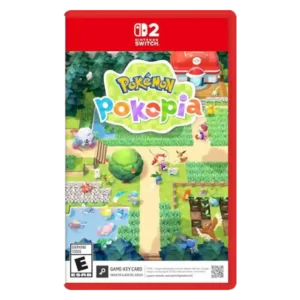
Multiplayer design had strong ideas like shared islands and group building, but some reviewers saw limitations or early roughness.
Pros: core gameplay loop, content variety
Cons: pacing, menu usability

Asymmetric responsibilities keep both players involved and make communication essential, although the game requires a second player at all times.
Pros: fun factor, puzzle design
Cons: difficulty balance, narrative quality
Local and online options are broad enough to add real value, and matches that were tested generally worked well. Progression and open-world restrictions keep multiplayer from fully matching the freedom...
Pros: fun factor, open-world design
Cons: collectibles, originality
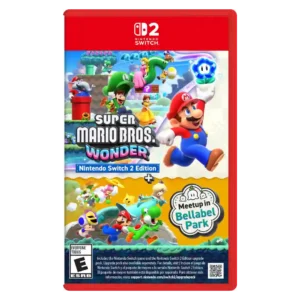
Bellabel Park greatly expands multiplayer, but quality varies by mode. Local co-op is the consensus highlight, while competitive and online attractions are more often called shallow, repetitive, or overly dependent...
Pros: fun factor, multiplayer design
Cons: matchmaking quality, map and navigation design
The online suite is ambitious and often exciting, especially in co-op and mixed PvPvE modes, but short modes, grind, menus, and monetization blunt the enthusiasm.
Pros: narrative quality, fun factor
Cons: dialogue quality, difficulty balance
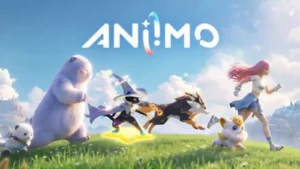
Multiplayer offers useful social spaces, co-op exploration, PvP, and group activities, but the world often feels primarily solo and some restrictions make playing with friends more cumbersome than expected.
Pros: fun factor, gameplay mechanics
Cons: monetization fairness, menu usability
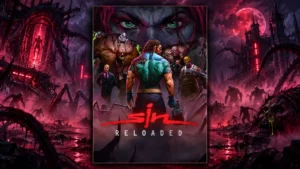
Competitive multiplayer is a welcome preservation feature with flexible local and server options, but it remains secondary to the campaign and lacks some modern conveniences such as clear cross-platform support.
Pros: remake/remaster quality, overall quality
Cons: level design, map and navigation design

Casual Corner, Crew HQ, co-ed play, and varied City activities broaden multiplayer appeal. Cheating, pay-to-win builds, and toxic competitive spaces remain significant drawbacks.
Pros: gameplay mechanics, fun factor
Cons: microtransaction impact, animation quality
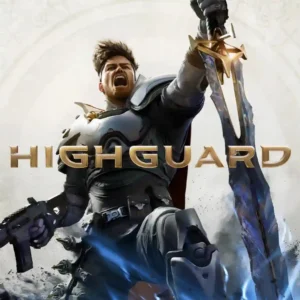
Team-size opinions are mixed: 3v3 can support tactics, but several found 5v5 more active and better suited to the map scale.
Pros: fun factor, combat system
Cons: originality, battle mode quality

Battle multiplayer was described as serviceable but superfluous: usable for shared play, yet far from central to the experience.
Pros: narrative quality, combat system
Cons: remake/remaster quality, value for money
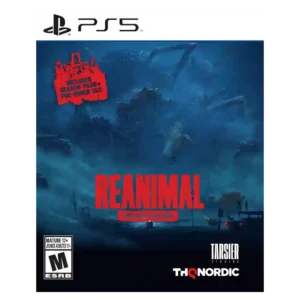
Multiplayer design is limited by the lack of drop-in/drop-out support, though playing both solo and co-op remains worthwhile.
Pros: narrative quality, atmosphere
Cons: puzzle design, fun factor
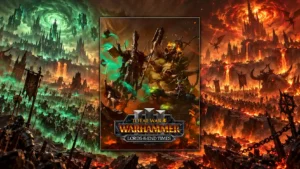
The underlying multiplayer potential is appealing, especially around revised Books of Nagash, but several story systems do not integrate smoothly with multiplayer campaigns yet.
Pros: gameplay mechanics, fun factor
Cons: AI behavior, polish
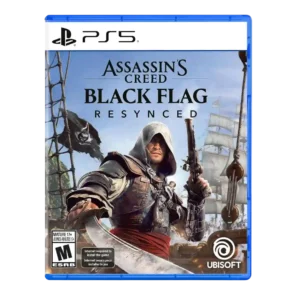
Multiplayer design is a weak point because the mode is absent; reviewers ranged from disappointed to not considering it a major loss.
Pros: graphics quality, remake/remaster quality
Cons: DLC value, multiplayer design
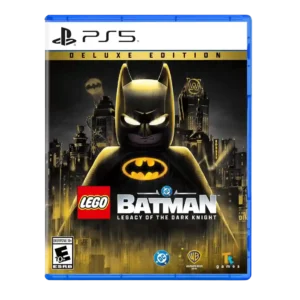
Multiplayer design is mixed to negative because local multiplayer sounds fun, but lack of online co-op is repeatedly called out.
Pros: combat system, exploration quality

Connected Franchise is a popular idea but a polarizing implementation. Playing leagues with friends is appealing, yet missing CPU teams, drafts, progression, and long-term depth leave many calling it incomplete.
Pros: atmosphere, gameplay mechanics
Cons: AI behavior, commentary quality
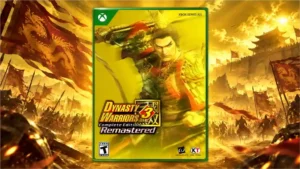
Local multiplayer is welcome, but missing online co-op at launch and limited launch options leave the multiplayer feature set incomplete.
Pros: remake/remaster quality, graphics quality
Cons: difficulty balance, voice acting

The game is entirely single-player, and that limits its replay appeal for some. One source accepts the story logic behind solo play, but still thinks multiplayer would improve the package.
Pros: fun factor, faithfulness to franchise
Cons: combat system, game length

Rush can be fun when teammates cooperate, but disruptive players, AFK behavior, and excessive goalkeeper control can let one participant spoil the experience. Stronger behavior-management tools are needed.
Pros: gameplay mechanics, progression system
Cons: open-world design, AI behavior

The online systems remain useful, but Switch 2’s isolated matchmaking pool is viewed as a meaningful loss for a game built around summons, invasions, and asynchronous interaction.
Pros: performance optimization, frame rate stability
Cons: controller ergonomics, platform-specific feature support
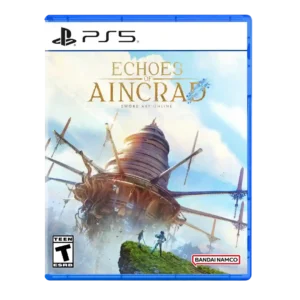
Multiplayer design was criticized because the single-player quest structure seemed like it would benefit from online co-op.
Pros: combat system, companion AI
Cons: open-world design, movement feel
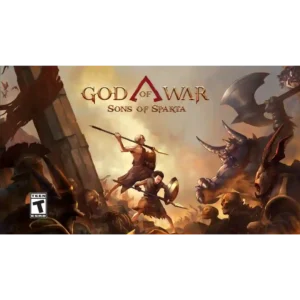
The multiplayer concept is undermined by being restricted to postgame co-op rather than supporting the main adventure, a decision several reviewers see as badly structured.
Pros: boss design, exploration quality
Cons: combat system, narrative quality
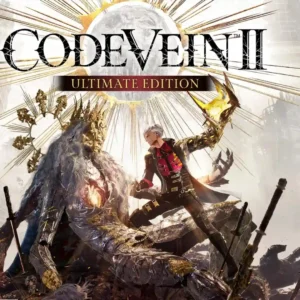
Replacing player multiplayer with NPC partners is one of the sequel’s most controversial structural choices. Multiple reviewers call the removal baffling or a step backward from the first game.
Pros: fun factor, narrative quality
Cons: boss design, exploration quality
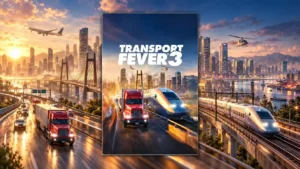
The lack of multiplayer is a notable disappointment for players who want to build transport networks cooperatively or competitively.
Pros: user interface design, gameplay mechanics
Cons: learning curve, tutorial quality
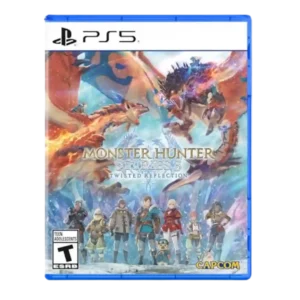
There is effectively no multiplayer offering here, a clear downgrade for players who valued PvP or co-op-style activities in earlier Stories games.
Pros: combat system, narrative quality
Cons: difficulty balance, grind level