
Multiplayer design has limited but strong positive evidence for frictionless shared play design.
Pros: movement feel, loot system
Cons: performance optimization, narrative quality

Multiplayer design has limited but strong positive evidence for frictionless shared play design.
Pros: movement feel, loot system
Cons: performance optimization, narrative quality

Multiplayer design was positive where local split-screen support was tested, though related evidence also notes 30 fps compromises.
Pros: combat system, character roster
Cons: level design, mission design

Asynchronous multiplayer is one of the clearest strengths, making players feel connected through structures, roads, likes, and shared effort.
Pros: narrative quality, combat system
Cons: difficulty balance, weapon balance

Multiplayer design is a major strength, especially online/local play, lobbies, and chaotic Power Stone-style group play.
Pros: content variety, value for money
Cons: cross-play support, competitive balance

Reviewers consistently emphasized that Arc Raiders’ PvPvE structure creates unpredictable, social, and often hopeful multiplayer moments.
Pros: sound design, combat system
Cons: voice acting, menu usability
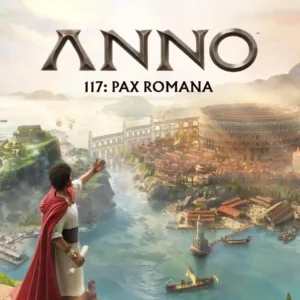
Cooperative and competitive modes add worthwhile variety, and the flexible structure makes shared empire-building especially appealing.
Pros: fun factor, graphics quality
Cons: learning curve, bug frequency

Multiplayer design was praised for fitting the exclusively co-op approach and supporting differing skill levels.
Pros: co-op experience, content variety
Cons: writing quality, narrative quality

multiplayer design was the strongest consensus positive, praised as layered, chaotic, and highly replayable.
Pros: multiplayer design, sound design
Cons: narrative quality, map and navigation design

Multiplayer was usually praised as the game's happy place, especially with groups, though Stadium splitting and missing Grand Prix-style structure drew complaints.
Pros: battle mode quality, content variety
Cons: learning curve, competitive balance

Multiplayer is the strongest and most consistently praised pillar. The map pool, responsive gunplay, movement options, modes, and playlist changes make it one of the better recent Call of Duty...
Pros: multiplayer design, level design
Cons: fun factor, narrative quality

Multiplayer design was generally praised for returning modes, HAWK mode, Graffiti, and arcade competition, with some playlist and choice caveats.
Pros: level design, remake/remaster quality
Cons: soundtrack quality, mission design

Multiplayer design was broadly positive, especially once connected, though some reviewers noted restrictions and setup friction.
Pros: combat system, narrative quality
Cons: difficulty balance, endgame content

Axis Invasion is often the standout, turning missions into tense contests against another sniper. No Cross also earns praise, while ordinary deathmatches and trap-heavy lobbies have more limited or uneven...
Pros: overall quality, level design
Cons: innovation, mission design

Multiplayer design is considered solid overall, with ranked, casual, room matches, and online basics, though it depends on players gelling with the systems.
Pros: content variety, gameplay mechanics
Cons: learning curve, user interface design

Multiplayer design appears intentionally support-oriented, with the available two-player mode fitting parent-child play best.
Pros: fun factor, world interactivity
Cons: frame rate stability, boss design

Multiplayer design received positive evidence after a patch made battle rewards more directly useful.
Pros: combat system, exploration quality
Cons: graphics quality, voice acting

Multiplayer is aggressively PvP-focused, with trios, solo play, and emerging duo options producing very different experiences. Squad play can be excellent, while solo and mismatched team sizes expose some of...
Pros: fun factor, loot system
Cons: difficulty balance, quest design

Ranked, rooms, tournaments, spectating, and local versus provide a solid competitive framework, though missing casual matchmaking or awkward room-focused choices bother some players.
Pros: remake/remaster quality, combat system
Cons: content variety, character customization
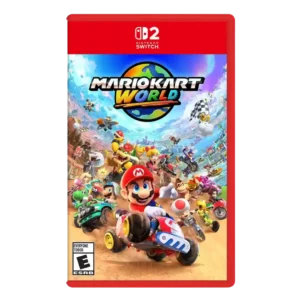
Multiplayer design was split: local play and friend sessions were praised, but online grouping, public Knockout Tour with friends, and mode limitations drew criticism.
Pros: content variety, soundtrack quality
Cons: open-world design, exploration quality
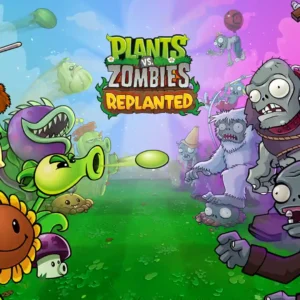
Local co-op and versus broaden the classic formula and can be excellent with another player. The lack of proper online multiplayer is one of the most repeated missed opportunities, especially...
Pros: fun factor, remake/remaster quality
Cons: graphics quality, soundtrack quality
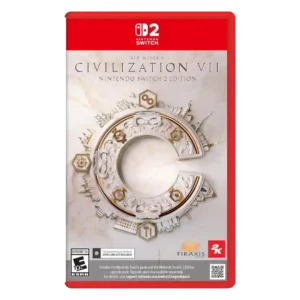
Multiplayer worked smoothly for one reviewer and had useful age/session ideas, but others noted launch feature limits or platform restrictions.
Pros: fun factor, economy and resource balance
Cons: progression system, user interface design
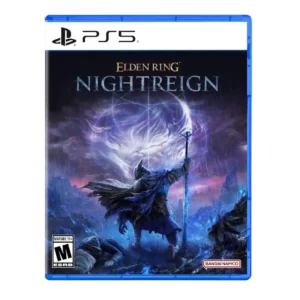
Multiplayer design was ambitious but divisive, thriving with coordinated teams and struggling with strangers or limited communication.
Pros: co-op experience, fun factor
Cons: difficulty balance, social features

Multiplayer is the clearest recurring weakness: some fun is acknowledged, but reviewers cite limits, time gates, and afterthought design.
Pros: core gameplay loop, narrative quality
Cons: crafting system, multiplayer design

Playlist design is the most repeated structural complaint: many players want a Solos option, and random squadmates can make coordination frustrating. A smaller group likes the enforced squad focus.
Pros: fun factor, battle mode quality
Cons: multiplayer design, replay value
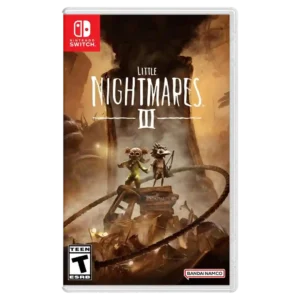
Multiplayer design was criticized for online-only limits, no drop-in switching, and difficult co-op setup despite the feature’s prominence.
Pros: atmosphere, faithfulness to franchise
Cons: puzzle design, co-op experience

Multiplayer was hit especially hard by bugs and crashes in the reports that tested it, making network saves far less dependable than the single-player experience.
Pros: gameplay mechanics, animation quality
Cons: user interface design, bug frequency