Best for panel type
LG G6
5.0 attribute score
Highest scored product for this attribute based on supporting review evidence.

Highest scored product for this attribute based on supporting review evidence.
Balances the attribute score, supporting reviews, and overall product strength.
Has the broadest review evidence for this attribute.
Strongest overall product among items with scored evidence for this attribute.
Overall: 4.4/5
The four-stack tandem OLED panel combines premium blacks, high brightness, and richly realistic color.
Pros: picture quality, peak brightness
Cons: value for money, sound quality
Overall: 4.1/5
The affordable OLED panel supplies rich blacks and clean motion. Its older, less colorful technology does not match the brightness and color reach of premium panels.
Pros: contrast ratio, value for money
Cons: peak brightness, HDR brightness
Overall: 4.1/5
This 77-inch RGB Tandem variant is noticeably more colorful than several other S90H sizes; results should not be generalized across the whole range.
Pros: black levels, contrast ratio
Cons: Dolby Vision support, stutter handling
Overall: 4.0/5
The VA panel is praised for deep contrast and strong HDR impact, with the usual tradeoff of narrower viewing angles.
Pros: overall satisfaction, picture quality
Cons: reliability, build quality

Overall: 3.9/5
The QD-OLED versions are admired for deeper color saturation, whereas the WOLED versions retain strong OLED blacks but less bright-color headroom.
Pros: color volume, black levels
Cons: Inconsistent panel and coating by size, sound quality

Overall: 3.9/5
The glossy QD-OLED panel is widely viewed as a high-end choice, delivering excellent picture quality with only a few characteristic subpixel and ambient-light tradeoffs.
Pros: gaming performance, peak brightness
Cons: HDMI 2.1 support, HDMI 2.1 port count
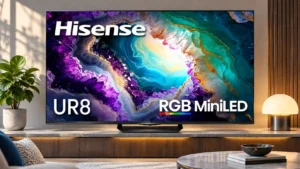
Overall: 4.0/5
The RGB MiniLED panel can produce impressive color purity, though its subpixel structure has tradeoffs for desktop text.
Pros: gaming performance, color volume
Cons: blooming control, dark-room performance
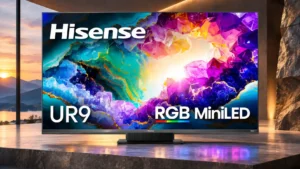
Overall: 4.1/5
The RGB MiniLED layout produces pure, bright color but introduces its own color-management compromises.
Pros: peak brightness, picture quality
Cons: value for money, color accuracy
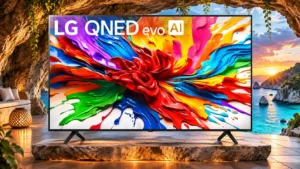
Overall: 3.9/5
The 75-inch IPS-based configuration appealed to one owner, while more technical assessments note that panel-type changes by size can affect contrast.
Pros: gaming performance, overall satisfaction
Cons: sound quality, value for money
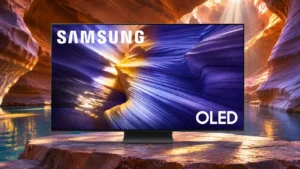
Overall: 3.9/5
The QD-OLED configuration stands out for particularly vivid colors and HDR impact; the smaller WOLED versions remain capable but should not be expected to match the same color volume.
Pros: value for money, overall satisfaction
Cons: Dolby Vision support, sound quality
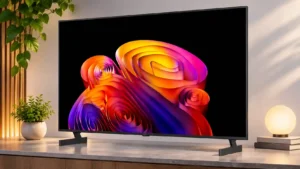
Overall: 4.0/5
The newer budget WOLED panel excels at black levels but does not match tandem OLED for maximum brightness or rich highlight colors.
Pros: contrast ratio, black levels
Cons: reflection handling, color accuracy
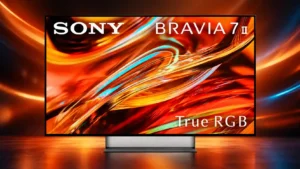
Overall: 4.2/5
The LCD foundation delivers impressive brightness and near-OLED blacks, but it still cannot fully match self-emissive OLED for absolute black, off-axis consistency and pinpoint contrast.
Pros: overall satisfaction, picture quality
Cons: HDMI 2.1 port count, reflection handling
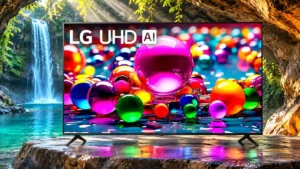
Overall: 3.0/5
Wide IPS-like viewing is useful for side seats, but contrast can suffer, and panel variations by size complicate assumptions.
Pros: viewing angles, smart TV platform
Cons: overall satisfaction, refresh rate
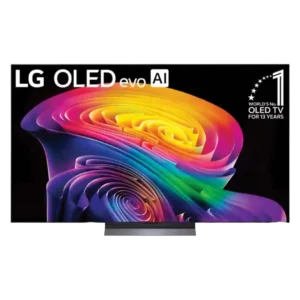
Overall: 4.1/5
Panel hardware varies by size: standard WOLED models are excellent, while tandem OLED versions deliver brighter, richer performance.
Pros: picture quality, gaming performance
Cons: value for money, sound quality
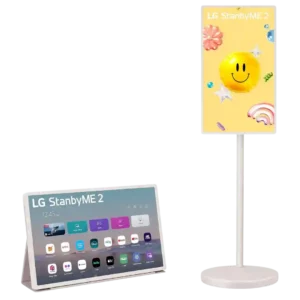
Overall: 3.8/5
The 1440p IPS panel is considered serviceable rather than premium. Its strengths are practicality and viewing flexibility, not the deeper blacks or richer contrast associated with higher-end panel types.
Pros: overall satisfaction, portability and versatility
Cons: value for money, menu responsiveness
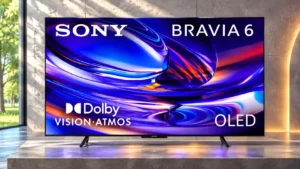
Overall: 3.8/5
The OLED SE panel delivers genuine OLED black levels but lacks the brightness and color strength of premium tandem OLED models. It is an entry-grade OLED rather than a flagship...
Pros: HDMI 2.1 port count, Video input versatility
Cons: value for money, overall satisfaction
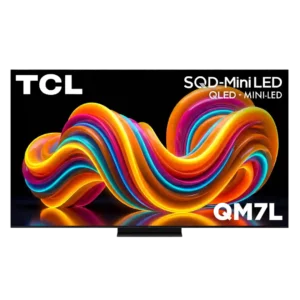
Overall: 3.9/5
The HVA Mini-LED panel offers decent straight-on performance, but its off-axis limitations keep it from feeling fully premium.
Pros: peak brightness, picture quality
Cons: color accuracy, viewing angles
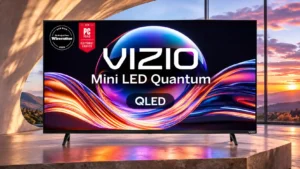
Overall: 2.9/5
VA sizes gain depth at the expense of off-axis clarity.
Pros: value for money, picture quality
Cons: account requirements, gaming performance
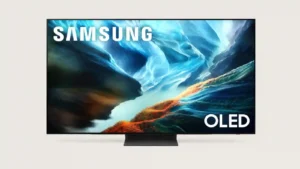
Overall: 4.5/5
The OLED panel delivers excellent fundamentals, but panel configuration matters: WOLED versions give up some color volume versus QD-OLED variants while retaining strong brightness and contrast.
Pros: glare resistance, black levels
Cons: Dolby Vision support, color gamut
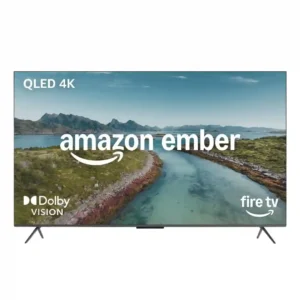
Overall: 3.3/5
The QLED panel delivers appealing color, but reviewers see it as a step behind similarly priced Mini-LED alternatives. Its underlying panel technology is a value compromise rather than a class...
Pros: picture quality, overall satisfaction
Cons: value for money, reliability
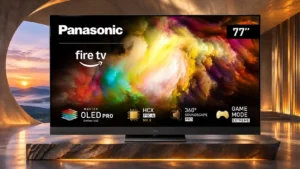
Overall: 4.0/5
The older WOLED panel has noticeably less saturated bright reds and greens than newer advanced OLED structures.
Pros: overall satisfaction, picture quality
Cons: size options, value for money