
The TV is at its best with ordinary SDR programming during the day, when strong brightness matters more than perfect blacks.
Pros: picture quality, 4K at 144 Hz support
Cons: sound quality, value for money

The TV is at its best with ordinary SDR programming during the day, when strong brightness matters more than perfect blacks.
Pros: picture quality, 4K at 144 Hz support
Cons: sound quality, value for money

Daytime viewing is superb thanks to extraordinary SDR brightness and contrast. Positioning matters because direct reflections can still show through.
Pros: peak brightness, overall satisfaction
Cons: value for money, shadow detail
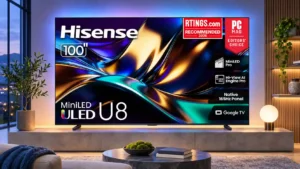
The panel's sheer light output helps overcome room illumination and maintains visible detail during daytime broadcasts.
Pros: peak brightness, HDR brightness
Cons: sound quality, viewing angles
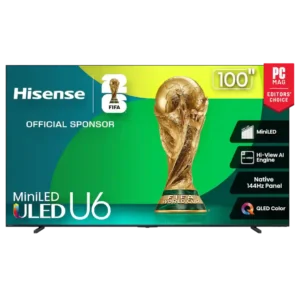
Daytime viewing is generally strong because the TV gets bright enough to remain punchy in well-lit rooms. Reflection handling is less consistent, so window placement still matters.
Pros: overall satisfaction, value for money
Cons: smart TV platform, blooming control

This is one of the TV’s strongest use cases: extreme brightness lets the picture hold up very well in sunny or otherwise bright rooms.
Pros: overall satisfaction, picture quality
Cons: reliability, build quality

Strong SDR brightness makes daytime TV generally comfortable, though direct reflections remain a potential distraction.
Pros: gaming performance, overall satisfaction
Cons: sound quality, value for money
Bright-room performance is serviceable and the anti-reflective treatment helps, but strong ambient light can flatten blacks and make brighter rivals more suitable.
Pros: gaming performance, peak brightness
Cons: HDMI 2.1 support, HDMI 2.1 port count

SDR content holds up reasonably well in daytime conditions if a window or lamp is not reflected directly in the screen.
Pros: black levels, picture quality
Cons: HDR performance, blooming control
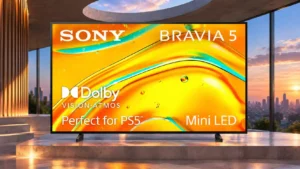
Everyday daylight pictures have plenty of punch, but direct sunlight and reflected windows can distract, especially on smaller sizes.
Pros: picture quality, black levels
Cons: HDR brightness, value for money

Indirect daylight is manageable; direct glare is not.
Pros: Large-screen immersion, overall satisfaction
Cons: value for money, black levels
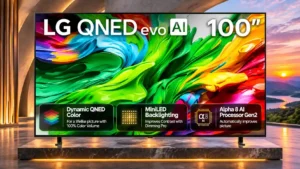
Most colors hold up under ambient light, but darker shades lose some saturation and the panel reflects nearby light sources.
Pros: picture quality, maximum volume
Cons: sound quality, bass performance
Brightness is not strong enough for significant direct glare, though lighter content can look acceptable and one hands-on test was satisfied.
Pros: viewing angles, smart TV platform
Cons: overall satisfaction, refresh rate
Daytime visibility is a weak point: brightness and reflection handling often fall short when the curtains are open.
Pros: color accuracy, upscaling quality
Cons: picture quality, sound quality
Daylight performance is limited: a bright room can overpower the screen.
Pros: color accuracy, Picture detail
Cons: HDR performance, motion clarity

Daylight use works best with curtains closed; strong ambient light is harder for the picture to overcome.
Pros: overall satisfaction, picture quality
Cons: Weight and handling, black levels
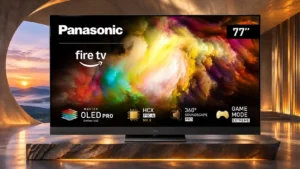
The panel can struggle to maintain impact in strong daylight, especially with large bright areas like sports fields.
Pros: overall satisfaction, picture quality
Cons: size options, value for money

Low SDR brightness makes daytime viewing difficult wherever windows or sun hit the screen.
Pros: picture quality, smart TV platform
Cons: value for money, refresh rate
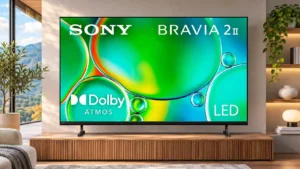
Substantial daylight makes the relatively dim image and visible reflections difficult to ignore, reducing daytime usability.
Pros: picture quality, overall satisfaction
Cons: sound quality, reliability
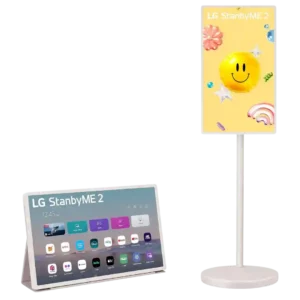
One dissatisfied buyer found the screen very difficult to see in sunlight. That makes bright outdoor or sunlit-room viewing a potential concern.
Pros: overall satisfaction, portability and versatility
Cons: value for money, menu responsiveness