Best for stealth mechanics
The Last of Us Part II Remastered
4.7 attribute score
Highest scored product for this attribute based on supporting review evidence.

Highest scored product for this attribute based on supporting review evidence.
Balances the attribute score, supporting reviews, and overall product strength.
Has the broadest review evidence for this attribute.
Strongest overall product among items with scored evidence for this attribute.
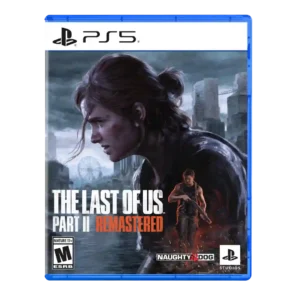
Stealth mechanics were widely praised as tense, flexible, and improved, especially when No Return encouraged new approaches.
Pros: content variety, narrative quality
Cons: pacing

Stalking, darkness, power cuts, and surprise repositioning make Michael feel appropriately predatory and are among the strongest franchise-specific mechanics.
Pros: fun factor, multiplayer design
Cons: bug frequency, AI behavior
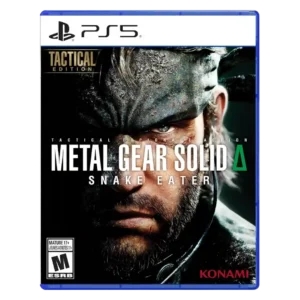
Stealth is a clear strength across reviews, with praise for camo, sneaking, and rewarding no-detection play, despite a few situational frustrations.
Pros: remake/remaster quality, graphics quality
Cons: performance optimization, frame rate stability

Stealth was praised through shadows, foliage, detection behavior, and the ability to avoid PvP through careful play.
Pros: sound design, combat system
Cons: voice acting, menu usability

Crouching, sneaking and instant takedowns are useful additions that fit the survival theme and give players another way to approach encounters.
Pros: fun factor, faithfulness to franchise
Cons: combat system, game length

Stealth catching adds welcome variety by rewarding positioning and giving players another way to capture creatures besides direct combat.
Pros: fun factor, gameplay mechanics
Cons: monetization fairness, menu usability

Stealth is not the main focus, but sneaking through dangerous areas is described as a fun and useful alternative to direct combat.
Pros: performance optimization, frame rate stability
Cons: controller ergonomics, platform-specific feature support
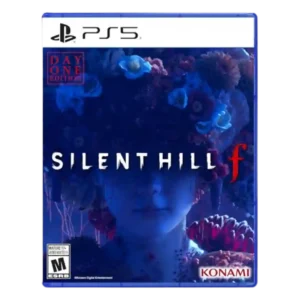
Stealth received a positive note from one reviewer who found avoidance viable and encouraged rather than merely optional.
Pros: puzzle design, narrative quality
Cons: combat system, enemy variety

Bush hiding is a simple but useful way to avoid encounters or start battles with an advantage, without turning the game into a demanding stealth experience.
Pros: combat system, soundtrack quality
Cons: narrative quality, exploration quality
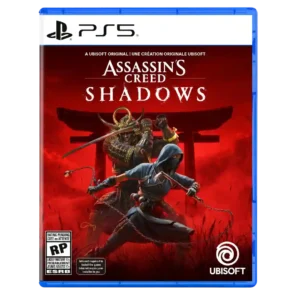
Stealth is one of the strongest points across reviews, with darkness, prone movement, assassinations, and Naoe's toolkit repeatedly praised despite occasional execution complaints.
Pros: stealth mechanics, graphics quality
Cons: narrative quality, mission variety
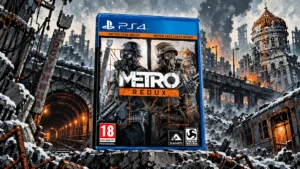
The imported stealth system makes 2033 substantially more playable, with lighting, knives, and alternate routes supporting satisfying guard hunting. Opinions split on how much weak or overly forgiving AI undermines...
Pros: graphics quality, overall quality
Cons: AI behavior, pacing

Stealth is broadly praised as deeper, more flexible, and more fun, with many reviewers comparing the expanded toolkit favorably to Kojima’s stealth legacy.
Pros: narrative quality, combat system
Cons: difficulty balance, weapon balance
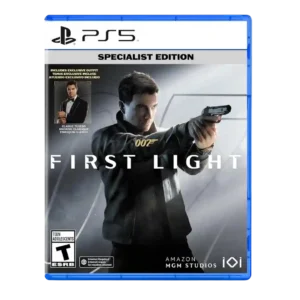
Stealth is one of the strongest areas, with reviewers praising Hitman-like agency, infiltration routes, social stealth, and strategy-first mission options.
Pros: stealth mechanics, combat system
Cons: pacing
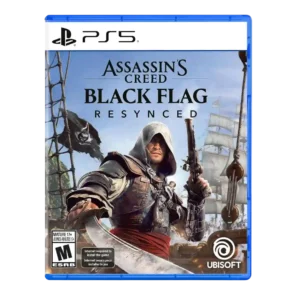
Stealth is widely viewed as improved thanks to free crouching, better detection behavior, and less punishing tailing, though social-stealth and penalty changes remain debated.
Pros: graphics quality, remake/remaster quality
Cons: DLC value, multiplayer design

Sound masking, distractions, traps, and hidden routes make patient infiltration deeply satisfying. Inconsistent detection and noisy early loadouts can interfere with an otherwise effective covert toolkit.
Pros: overall quality, level design
Cons: innovation, mission design

Stealth works best in the more linear campaign moments, where sneaking through enemy spaces can create tense, satisfying encounters and a welcome change from constant gunfights.
Pros: multiplayer design, level design
Cons: fun factor, narrative quality
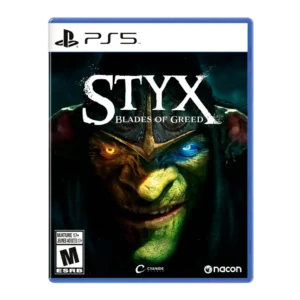
Pure stealth is the game’s defining strength. Planning routes, using shadows, and improvising with tools repeatedly produces the kind of satisfying infiltration that genre fans rarely get.
Pros: fun factor, stealth mechanics
Cons: polish, combat system

One reviewer praised invisibility as useful for sneaking and completing quests, giving stealth a positive but lightly supported score.
Pros: narrative quality, voice acting
Cons: bug frequency, menu usability
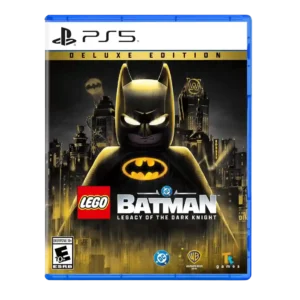
Stealth is a pleasant surprise and more advanced than expected, though one hands-on reviewer notes the demo version was not especially deep yet.
Pros: combat system, exploration quality

Phanto Tag is the clear favorite among stealth-like attractions, turning hide-and-seek and prop-hunt ideas into a tense, funny multiplayer game. Other stealth-flavored activities are less consistently memorable.
Pros: fun factor, multiplayer design
Cons: matchmaking quality, map and navigation design

Curfew turns theft and rival sabotage into tense, sometimes amusing diversions. Security cameras and travel restrictions can also make nighttime errands frustrating.
Pros: overall quality, shopkeeping system
Cons: performance optimization, pacing

Stealth is often tense and effective, especially when timing movement around stalkers, though it remains built around familiar hiding and evasion.
Pros: narrative quality, atmosphere
Cons: puzzle design, fun factor
Stealth is more readable and strategic than in Oblivion, with detection feedback that supports careful play. It can also become overpowered, especially when combined with archery.
Pros: graphics quality, progression system
Cons: combat system, bug frequency

Avoiding enemies offers a useful way to stretch scarce ammunition and repair supplies, rewarding a cautious approach.
Pros: overall quality, atmosphere
Cons: boss design, movement feel

Stealth was often viable and rewarding, especially with builds and gadgets, but some reviewers found it imbalanced or merely serviceable.
Pros: combat system, progression system
Cons: pacing, AI behavior

Stealth is enjoyable and viable, especially with chain assassinations and tools, but several reviewers call it basic or largely unchanged.
Pros: combat system, narrative quality
Cons: grind level, innovation

Stealth is a real playstyle rather than a novelty, especially with Rook and Assassin abilities. Sneaking, invisibility, noise control, and alternate routes can let careful players avoid or set up...
Pros: fun factor, loot system
Cons: difficulty balance, quest design
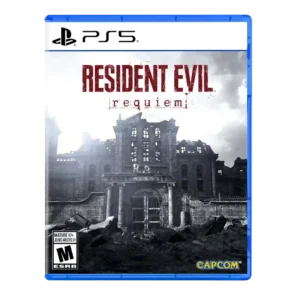
Stealth was mostly praised for making Grace’s routes tense and tactical, though one reviewer found stealth options limited.
Pros: pacing, combat system
Cons: originality

Stealth is improved and more forgiving in Reloaded, with alternate routes adding variety, but it can still feel trial-and-error and remains one of the weaker mechanics for some players.
Pros: remake/remaster quality, overall quality
Cons: level design, map and navigation design
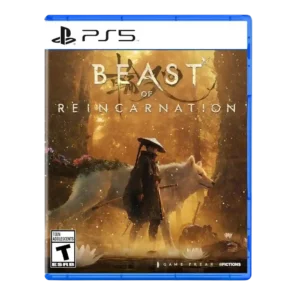
Creating elevated perches can lead to satisfying stealth takedowns and alternate approaches. Still, the direct combat is so strong that stealth can feel less rewarding by comparison.
Pros: combat system, companion AI

Stealth offers brutal takedowns and brief variety, but forgiving detection and few consequences make it feel underdeveloped.
Pros: fun factor, combat system
Cons: originality, level design
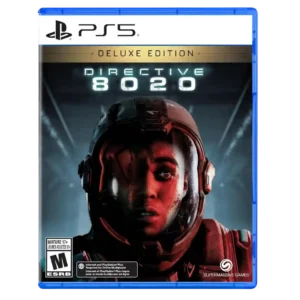
Stealth was the most divisive system, praised as tense and effective by some but criticized by others as predictable, low-tension, or merely serviceable.
Pros: horror tension, gameplay mechanics
Cons: AI behavior, polish
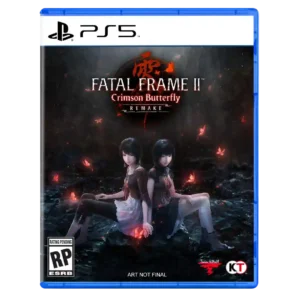
Running and hiding can create excellent panic, but dark visual filters, unclear hiding spots, and trial-and-error failures make stealth inconsistent.
Pros: remake/remaster quality, horror tension
Cons: combat system, frame rate stability

Stealth creates many of Townfall’s tensest moments, but it is also the most repeated gameplay complaint. Reviewers criticize overlong hiding, rigid patrols, and stalker sequences that can feel unfair or...
Pros: horror tension, puzzle design
Cons: stealth mechanics, fun factor

Stealth was useful and sometimes satisfying, yet reviewers also called it finicky, weak, or frustrating in specific forced sections.
Pros: combat system, narrative quality
Cons: save system reliability, learning curve

Successful sneaking and trap use can be rewarding, but detection often feels imprecise. Some playthroughs find it mostly functional, while easy combat or unreliable concealment makes others prefer shooting.
Pros: overall quality, art direction
Cons: map and navigation design, difficulty balance
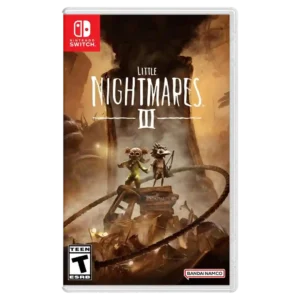
Stealth received split reactions: some reviewers enjoyed the scares and thrills, while others found trial-and-error stealth tiring.
Pros: atmosphere, faithfulness to franchise
Cons: puzzle design, co-op experience
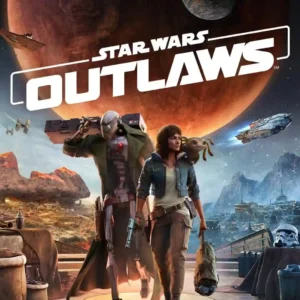
Stealth is the most divisive mechanic: launch detection and instant-fail rules frustrate many, while stealth fans enjoy the Nix-assisted tools and later updates substantially improve flexibility.
Pros: fun factor, originality
Cons: stealth mechanics, combat system

Stealth remains unreliable, with complaints about enemy detection, awareness, and systems that can make sneaking feel pointless. Later updates improve some behaviors, but stealth is still less dependable than direct...
Pros: immersion, fun factor
Cons: bug frequency, AI behavior
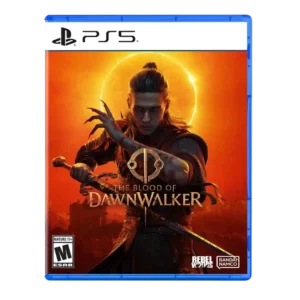
Stealth is inconsistent: vampire movement can enable sneaking and infiltration, but conventional stealth systems can feel thin or effectively absent.
Pros: combat system, fun factor
Cons: content variety, polish

Optional sneaking can save resources and make clearing an area quietly satisfying. Forced stealth and unreliable detection are much less popular, especially when enemies spot Aiden through cover.
Pros: faithfulness to franchise, narrative quality
Cons: combat system, boss design
The game captures espionage through dialogue and role-playing more than systemic stealth. Players expecting covert simulation, information control, or sustained deception may be disappointed.
Pros: narrative quality, writing quality
Cons: pacing, bug frequency

Stealth was divisive: some liked ambushes and surprise attacks, while others found the system unreliable, shallow, or lazy.
Pros: combat system, exploration quality
Cons: graphics quality, voice acting

Stealth was repeatedly criticized as inconsistent, shallow, or unreliable, though a few reviewers found methodical sneaking viable on the right settings.
Pros: narrative quality, exploration quality
Cons: combat system, AI behavior
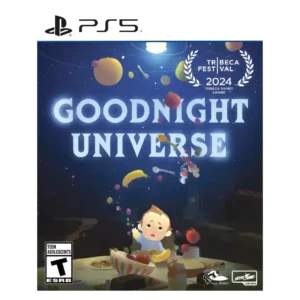
Stealth/action sequences were a recurring weak spot, with instant-fail or active-control sections standing out as less enjoyable than the story-focused portions.
Pros: narrative quality, emotional impact
Cons: controls responsiveness, platform-specific feature support
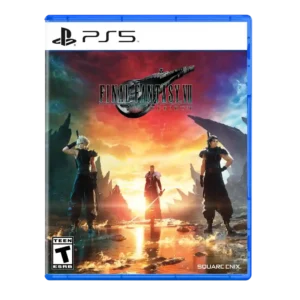
The small stealth segments were singled out as a weak link, especially because the engine was not seen as well-suited to stealth maneuvers.
Pros: combat system, content variety
Cons: pacing, movement feel
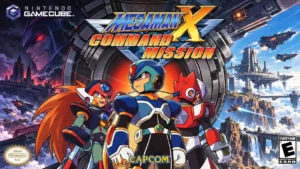
Avoiding guard sensors is manageable but feels like an unnecessary detour to a player who would rather fight the guards directly.
Pros: combat system, overall quality
Cons: fun factor, narrative quality
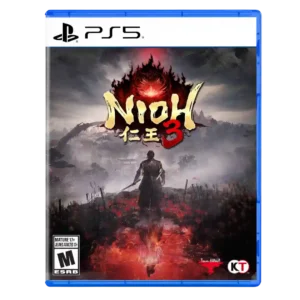
Stealth received a mixed note because one reviewer found stealth attacks could alert enemies too easily.
Pros: combat system, open-world design
Cons: narrative quality, performance optimization
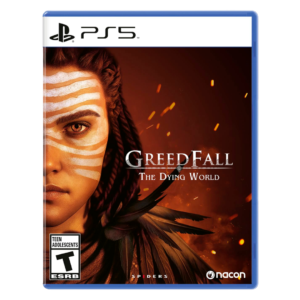
Stealth can open alternate quest routes, but it is underdeveloped and inconsistent. Limited tools, weak feedback, and odd companion behavior make sneaking less satisfying than diplomacy or direct combat.
Pros: narrative quality, side character depth
Cons: combat system, polish

Stealth was mostly a weak point: one reviewer liked a short sequence as variety, but others called later stealth awkward, padding-like, or simply not good.
Pros: narrative quality, character development
Cons: pacing, gameplay mechanics