#1

Overall: 4.2/5
The combination of sparse interface, atmospheric art, sound, scale, and discovery makes the world exceptionally immersive even after hundreds of hours.
Pros: performance optimization, frame rate stability
Cons: controller ergonomics, platform-specific feature support
#2
Overall: 4.2/5
Narrative pop-ups, cinematics, devastation, and changing world states make Immortal Empires feel more reactive and story-driven than before.
Pros: gameplay mechanics, fun factor
Cons: AI behavior, polish
#3

Overall: 4.5/5
The combination of Norse atmosphere, preparation, survival friction, and quiet home life creates a strong sense of inhabiting the world rather than merely clearing objectives.
Pros: town-building system, exploration quality
Cons: grind level, fast travel convenience
#4

Overall: 3.8/5
Creature behavior, environmental interaction, and a lively world make Idyll feel unusually convincing for such a whimsical setting.
Pros: fun factor, gameplay mechanics
Cons: monetization fairness, menu usability
#5
Overall: 3.5/5
Sound draws players into the house quickly, while repeated exploration can make its rooms feel deeply familiar. Growing command of the space becomes a reward of its own.
Pros: overall quality, originality
Cons: stealth mechanics, horror tension
#6
Overall: 3.6/5
Careful world detail and changing dark spaces make Aurora 5 easy to get absorbed in. Its mood can create a strong desire to inhabit and understand the station.
Pros: overall quality, art direction
Cons: map and navigation design, difficulty balance
#7

Overall: 3.5/5
Reviewers who click with the game find its world-building and constant tonal shifts unusually absorbing, even when they stop actively trying to decode every plot detail.
Pros: fun factor, originality
Cons: combat system, narrative quality
#8
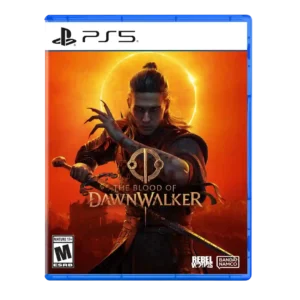
Overall: 4.0/5
The game can be highly immersive when choices, difficulty, and role-playing pressures make the player think from Coen’s perspective. Reactive situations make moral decisions feel tied to the world rather...
Pros: combat system, fun factor
Cons: content variety, polish
#9

Overall: 4.7/5
Two closely aligned reviews highlight a rare sense of flow, crediting the smooth pacing and intuitive mechanics for keeping the player fully absorbed.
Pros: difficulty balance, boss design
Cons: innovation, sandbox freedom
#10
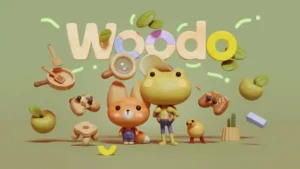
Overall: 4.2/5
Assembling the detailed scenes and following their small stories drew players into the world beyond a simple matching exercise.
Pros: art direction, narrative quality
Cons: difficulty balance, replay value
#11

Overall: 3.7/5
The strongest supporters describe an absorbing experience that combines combat, characters, and music and can make time slip away.
Pros: combat system, overall quality
Cons: progression system, difficulty balance
#12
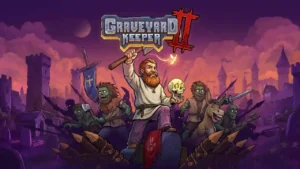
Overall: 3.5/5
The stronger story presentation and fully voiced approach make the sequel more immersive for players who connect with its tone. The world feels more immediate than the original’s text-heavy presentation.
Pros: fun factor, core gameplay loop
Cons: grind level, learning curve
#13

Overall: 3.7/5
World-specific transformations help Sora and his companions feel at home within each Disney setting, strengthening immersion.
Pros: overall quality, graphics quality
Cons: frame rate stability, remake/remaster quality
#14
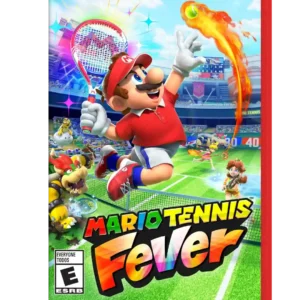
Overall: 3.7/5
One reviewer was especially pulled in by Adventure mode's beautifully animated opening. The cinematic presentation can briefly make the campaign feel more substantial than its simple structure ultimately becomes.
Pros: fun factor, gameplay mechanics
Cons: tutorial quality, onboarding experience
#15

Overall: 3.8/5
One highly positive review found the combination of visual variety, cinematic moments, and adaptive music made the campaign feel consistently fresh and immersive.
Pros: replay value, difficulty balance
Cons: game length, boss design
#16

Overall: 4.0/5
Lighter movement, clearer attacks, and the new 3D combat presentation make the moment-to-moment action feel more immersive.
Pros: core gameplay loop, difficulty balance
Cons: narrative quality, load times
#17
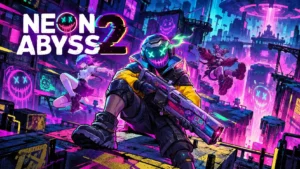
Overall: 4.0/5
The electronic soundtrack helps pull the player into the rhythm of combat and survival.
Pros: gameplay mechanics, overall quality
Cons: difficulty balance, originality
#18
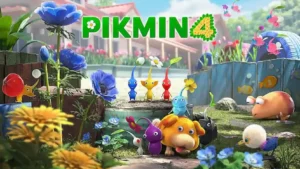
Overall: 3.7/5
The sharp, detailed world can feel like a living tabletop diorama, making ordinary gardens rewarding to revisit.
Pros: Dandori Academy mode, overall quality
Cons: DLC value, Dandori Academy stage rollout
#19
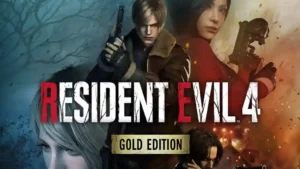
Overall: 4.0/5
Threatening footsteps and ambient noises draw attention into the surroundings and make unseen danger feel close.
Pros: frame rate stability, overall quality
Cons: visual effects quality, humor
#20
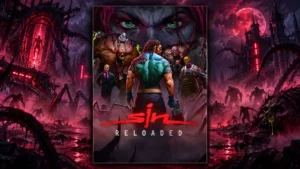
Overall: 4.3/5
Once the controls and systems click, the interactive environments and responsive mechanics can pull players deeply into the experience.
Pros: remake/remaster quality, overall quality
Cons: level design, map and navigation design
#21
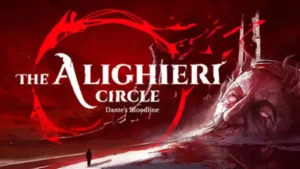
Overall: 3.5/5
The personalized depiction of Hell and cohesive visual treatment can make the journey feel strongly immersive, especially when the environment reflects Gabriele’s inner state.
Pros: puzzle design, atmosphere
Cons: narrative quality, difficulty balance
#22
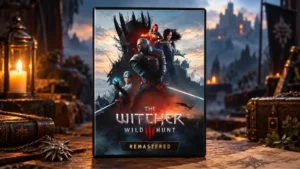
Overall: 3.9/5
Richer lighting and small environmental touches help draw players back into the world, while the familiar story remains compelling.
Pros: graphics quality, value for money
Cons: performance optimization, frame rate stability
#23
Overall: 4.1/5
The writing, art, and lived-in setting make Portofiro easy to inhabit, even when outfit swapping or missing voice lines occasionally break the spell.
Pros: narrative quality, writing quality
Cons: pacing, bug frequency
#24
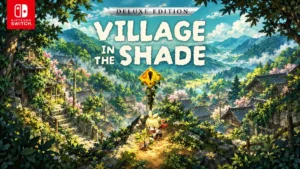
Overall: 4.2/5
The village can feel like a second home through its convincing soundscape, visuals, and everyday interactions. That familiarity also makes its darker moments more effective.
Pros: overall quality, art direction
Cons: pacing, economy and resource balance
#25

Overall: 3.9/5
The mysteries can hold attention well beyond a session and make another loop hard to resist. A minimalist interface also helps the illustrated world retain its presence.
Pros: overall quality, progression system
Cons: map and navigation design, tutorial quality
#26

Overall: 4.2/5
Physical interactions, changing phone conversations, weather, and sound draw players into Walker’s investigation. The deliberate presentation makes actions feel grounded in the environment.
Pros: overall quality, atmosphere
Cons: boss design, movement feel
#27
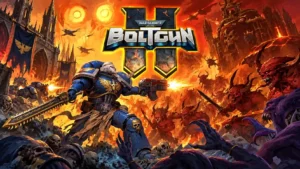
Overall: 4.0/5
Strong combat flow, evocative art, and detailed sound can draw players deeply into the grimdark setting.
Pros: overall quality, replay value
Cons: narrative quality, difficulty balance
#28
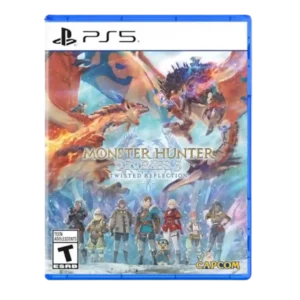
Overall: 4.3/5
The environmental restoration theme, lived-in world, and strong presentation make the setting easy to sink into for players who connect with the game's systems.
Pros: combat system, narrative quality
Cons: difficulty balance, grind level
#29
Overall: 4.1/5
The ability to handle furniture, open drawers and examine ordinary household items makes the strange house feel surprisingly tangible.
Pros: puzzle design, atmosphere
Cons: difficulty balance, hint system
#30
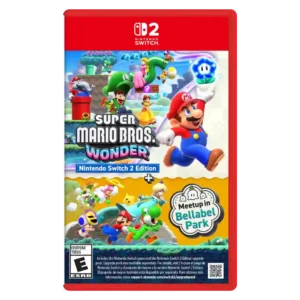
Overall: 3.9/5
Wonder’s vivid presentation and playful movement continue to pull players into the Flower Kingdom, with the Switch 2 polish strengthening an already engaging sense of place.
Pros: fun factor, multiplayer design
Cons: matchmaking quality, map and navigation design
#31

Overall: 3.5/5
The unfolding mysteries encourage strong investment, with a story that can linger after the credits.
Pros: puzzle design, writing quality
Cons: gameplay mechanics, animation quality
#32
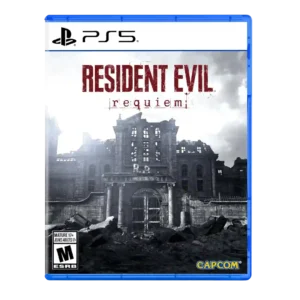
Overall: 4.4/5
Immersion was praised through Grace’s vulnerability and how strongly it affected player behavior.
Pros: pacing, combat system
Cons: originality
#33

Overall: 3.2/5
When the systems behave, the game convincingly puts players inside a playable Halloween movie, especially through Michael’s first-person stalking perspective.
Pros: fun factor, multiplayer design
Cons: bug frequency, AI behavior
#34
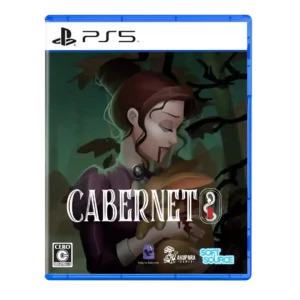
Overall: 4.0/5
Immersion was a standout for many reviewers, driven by role-playing, atmosphere, world-building, and emotional investment, though some audio and logic issues could disrupt it.
Pros: narrative quality, voice acting
Cons: bug frequency, menu usability
#35

Overall: 3.7/5
Club news, transfer rumors, match-day information, and consequential choices rebuild the feeling of inhabiting a living football world. It is one of the most appreciated improvements.
Pros: menu usability, user interface design
Cons: Match engine realism, Tactical data and analysis
#36
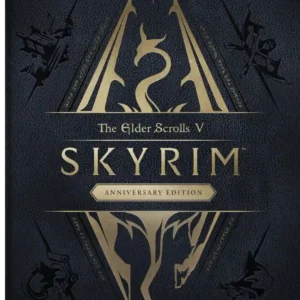
Overall: 4.0/5
Skyrim remains exceptionally easy to get lost in because its world, weather, sound, routines, role-playing freedom, and environmental detail work together. Bugs and repeated NPC behavior can break the spell,...
Pros: graphics quality, progression system
Cons: combat system, bug frequency
#37
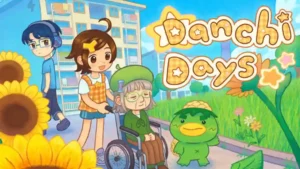
Overall: 4.3/5
The neighborhood and its character conflicts keep players invested. Sensory activities help convey Hoshino’s curious view of ordinary life.
Pros: narrative quality, minigame quality
Cons: user interface design, quest design
#38
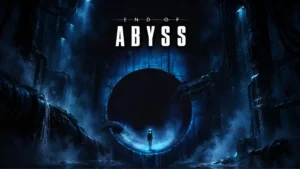
Overall: 3.8/5
Sound, lighting, environmental scale, minimal interface, and controller feedback can make the facility highly immersive, although loading screens and repetition occasionally break the spell.
Pros: atmosphere, exploration quality
Cons: map and navigation design, bug frequency
#39
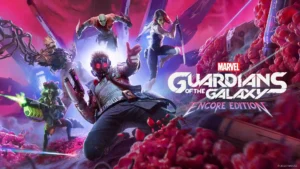
Overall: 3.8/5
Natural conversations, responsive exploration dialogue and convincing audio make the crew and their surroundings feel alive.
Pros: graphics quality, overall quality
Cons: frame rate stability, handheld play suitability
#40

Overall: 3.5/5
Detailed rooms, first-person inspection and the isolated soundscape draw players into the station despite interface friction.
Pros: puzzle design, user interface design
Cons: core gameplay loop, narrative quality
#41

Overall: 4.0/5
Akihabara feels engaging through detailed cultural context and the contrast between cheerful everyday locations and hidden danger.
Pros: overall quality, narrative quality
Cons: pacing, localization support
#42
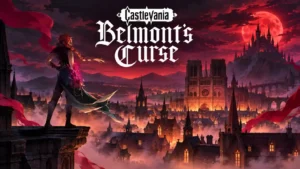
Overall: 3.9/5
The blend of French history, gothic locations, and compelling exploration makes the world absorbing. Strong atmosphere helps sustain the desire to investigate.
Pros: overall quality, art direction
Cons: difficulty balance, progression system
#43
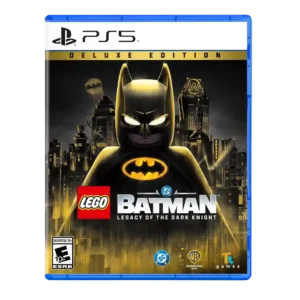
Overall: 4.2/5
Immersion is strong, with reviewers praising a lived-in open world and a cinematic tone that takes the story seriously.
Pros: combat system, exploration quality
#44
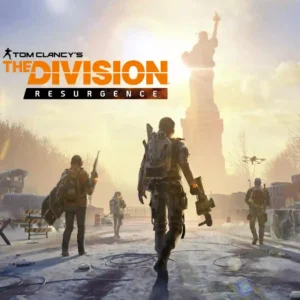
Overall: 4.0/5
Story framing, presentation, music, and active combat can make the mobile world feel coherent and absorbing.
Pros: content variety, controls responsiveness
Cons: narrative quality, menu usability
#45

Overall: 4.0/5
Realistic textures, detailed tool interactions and well-matched sounds make the work feel tangible. Small touches such as dirty brushes and shifting weather strengthen the illusion.
Pros: core gameplay loop, overall quality
Cons: narrative quality, controls responsiveness
#46
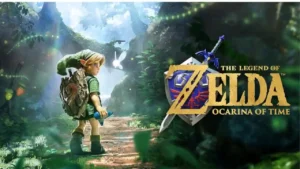
Overall: 4.3/5
Responsive action, detailed places, and more expressive scenes make Hyrule easier to inhabit. Camera freedom also helps players feel more directly involved.
Pros: remake/remaster quality, overall quality
Cons: difficulty balance, menu usability
#47

Overall: 4.1/5
Reviewers respond very positively to the immersion, describing it as a notable strength of the overall experience.
Pros: narrative quality, fun factor
Cons: grind level, learning curve
#48
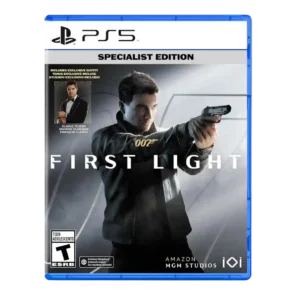
Overall: 4.2/5
Immersion is a major strength, with reviewers saying the action and interactions feel cinematic and like playing inside a Bond movie.
Pros: stealth mechanics, combat system
Cons: pacing
#49
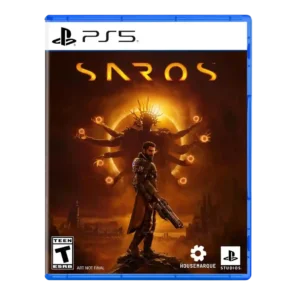
Overall: 4.3/5
Immersion was praised through tactile feedback, 3D audio, and audiovisual design that pulled reviewers into Carcosa.
Pros: narrative quality, combat system
Cons: side character depth, dialogue quality
#50
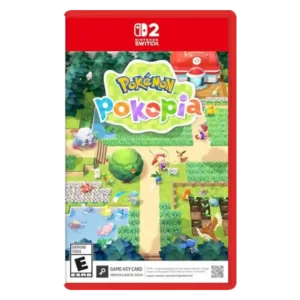
Overall: 4.2/5
Immersion was boosted by Ditto’s fantasy, environmental storytelling, and the sense of being locked into the Pokémon world.
Pros: core gameplay loop, content variety
Cons: pacing, menu usability
