If you want better online stability
Choose Orbitals. It scores 5.0 vs 2.0 for online stability, with a 3.8 overall score.

Sustained dread, dark enclosed spaces, monster pursuit, and repeated capture or death can be frightening. The horror emphasizes anxiety and helplessness rather than graphic gore.
Choose it for patient teamwork, shared discovery, and an unusual split of horror roles. Skip it if you want solo play or dislike constant pressure, opaque rules, and restarting after a mistake.
Patient pairs of friends who communicate clearly and enjoy learning a mysterious house together. Knowledge-driven exploration and exchanging escape-room-style clues are the strongest draws.
Solo campaign seekers and partners who dislike talking during play. Players sensitive to constant time pressure may find the repeated pursuit and restarts exhausting.
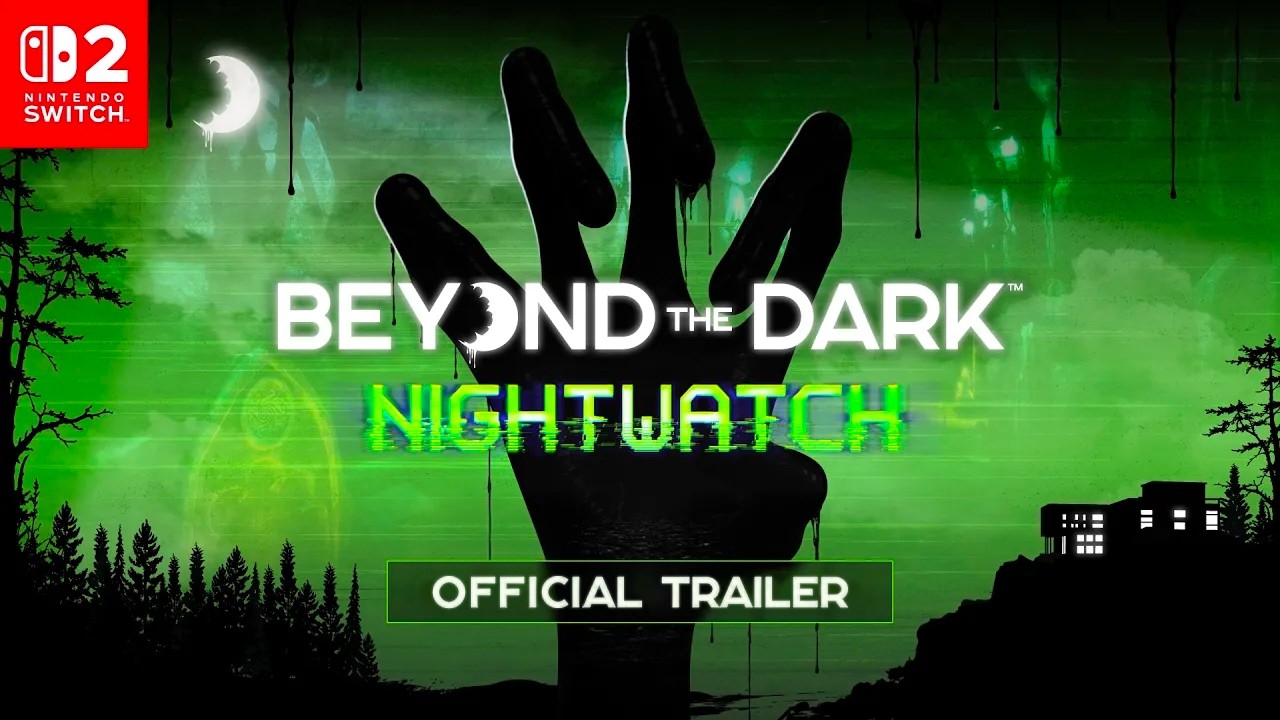
Beyond the Dark: Nightwatch makes conversation the engine of its horror: one player explores while the other interprets cameras, documents, and inventory. A compatible pair can turn incomplete information into memorable discoveries and mounting dread, helped by effective ambient sound and a distinctive retro presentation. The tradeoff is a demanding structure that divides opinion sharply. Sparse onboarding, aggressive pursuit, long hiding periods, and lost progress can make learning feel laborious. Some find mastery deeply satisfying; others never get past the repetition. The roughly $20 price and single-purchase access for two improve its appeal, but a patient, communicative partner matters more than the saving. Test-build bugs and an abrupt finish add caveats, while replay appeal depends on interest in switching roles and revisiting the mysteries.
Compared with other Video Games, this product is above average in originality, platform-specific feature support, innovation, near average in fun factor, co-op experience, below average in visual effects quality, checkpoint system, onboarding experience.
| Attribute | This product | Category average | Difference |
|---|---|---|---|
| visual effects quality | 2.0 | 4.2 | -2.2 |
| checkpoint system | 1.5 | 3.5 | -2.0 |
| onboarding experience | 1.7 | 3.5 | -1.9 |
| tutorial quality | 1.5 | 3.3 | -1.8 |
| survival mechanics | 2.3 | 4.0 | -1.7 |
| difficulty balance | 1.7 | 3.3 | -1.6 |
| crash stability | 1.5 | 3.2 | -1.7 |
| learning curve | 2.0 | 3.5 | -1.5 |
Choose Orbitals. It scores 5.0 vs 2.0 for online stability, with a 3.8 overall score.
Choose Silent Hill: Townfall. It scores 4.9 vs 2.0 for visual effects quality, with a 3.7 overall score.
Choose Silver Pines. It scores 5.0 vs 2.9 for core gameplay loop, with a 4.2 overall score.
Choose Order of the Sinking Star. It scores 5.0 vs 2.3 for couch co-op quality, with a 4.0 overall score.
Products reviewers directly compared with this model, grouped into quick takeaways.
The game is built for two players with separate roles and information. It is a poor fit for someone seeking a solo horror campaign.
The supplied coverage describes a free Friend’s Pass and GameShare options, so one purchase can support two players. The arrangement still requires compatible separate systems.
The Overseer interprets security feeds, manages inventory, reads documents, and guides the Explorer. The role is essential, though its agency and workload divide opinion.
Darkness, sound, uncertainty, and a pursuing creature drive the scares. Some accounts find it deeply frightening, while the demo account becomes less scared as play continues.
You must repeat substantial parts of the adventure, carrying useful knowledge into the next attempt. Whether that feels motivating or tedious is the central disagreement.
Coverage places a playthrough around five to eight hours, depending on progress and exploration. Some want to switch roles and revisit mysteries; others find little reason to return once solutions are known.
Keeping separate viewpoints matters. One review finds that both watching the TV removes the mystery and weakens communication, while another notes the inconvenience of needing separate systems.
These are a few of the reviews included in our analysis.
A tense and inventive two-player horror experience in which surveillance, silence and trust become your greatest weapons. Beyond the Dark...
Switch 2 exclusive Beyond the Dark: Nightwatch has a great idea, but far too many issues to make it a worthwhile experience.
Beyond the Dark: Nightwatch, developed and published by Atlantis Studio, is a Nintendo Switch 2 horror game that attempts something rather...
Cooperative games are a fantastic way to bond with family, friends, or your significant other because, simply put, playing together is almost...
At Gamescom, I was able to try out Beyond the Dark: Nightwatch, an asymmetrical co-op horror game for Nintendo Switch 2. One of the members...

Best for fluid traversal, rewarding exploration, striking art, and forgiving quality-of-life features. Skip it if you want deep combat, radical genre innovation, or consistently demanding bosses.
Pros: difficulty balance, boss design
Cons: innovation, sandbox freedom

Best for superb combat, inventive builds, and richly voiced characters. Skip it if repeated runs, resource gathering, or visually busy battles outweigh the appeal of steady progress.
Pros: overall quality, combat system
Cons: pacing, grind level

Good if you want a beautiful, demanding survival sandbox built around exploration, building, progression, and memorable co-op. Skip it if long resource runs, harsh death recovery, and deliberate pacing sound...
Pros: town-building system, exploration quality
Cons: grind level, fast travel convenience

Choose Clair Obscur if you want a story-rich RPG with thrilling timed combat, gorgeous art, and standout music. Skip it if poor maps, tight parry timing, or occasional bugs and...
Pros: narrative quality, combat system
Cons: map and navigation design, menu usability