
If you want better boss design
Choose Dragon’s Dogma 2: Dark Arisen. It scores 4.8 vs 4.4 for boss design, with a 4.0 overall score.

Fantasy sword-and-magic battles include attacks on kingdoms and emotionally weighty character deaths. Flirtatious and suggestive banter adds a further concern for younger children.
Choose for flexible turn-based battles, classic Final Fantasy atmosphere, and spectacular pixel-art scenes. Skip if you need fast action or consistently compelling storytelling, and expect extra grinding if you pursue every optional boss.
Retro JRPG fans and build optimization enthusiasts who enjoy experimenting with party skills, exploring for useful rewards, and tackling optional bosses. Handheld players also receive strong recommendations.
Players seeking fast action combat or consistently strong storytelling. Completionists who dislike repeated leveling may find the optional endgame exhausting.
Final Fantasy Resonance makes its strongest case through combat and presentation. Visions combine character-specific roles with transferable abilities, rewarding experimentation with powerful builds and satisfying stagger chains. Dynamic pixel-art cinematics and a widely praised soundtrack give the traditional adventure a modern sense of spectacle. The story is a bigger gamble: some players love the ensemble and emotional revelations, while others find the dialogue forced, the characters shallow, or the familiar plot short on meaning. Exploration usually offers useful discoveries, although linear dungeons and routine errands can disappoint. The focused campaign is easier to fit into a schedule than many sprawling JRPGs, but full completion can turn into substantial repetition. It is especially appealing to retro JRPG fans who enjoy building a party and testing it against demanding optional battles.
Compared with other Video Games, this product is above average in graphics settings, bug frequency, tutorial quality, near average in faithfulness to franchise, world-building, below average in inventory management, innovation, originality.
| Attribute | This product | Category average | Difference |
|---|---|---|---|
| graphics settings | 5.0 | 2.8 | +2.2 |
| bug frequency | 5.0 | 2.9 | +2.1 |
| inventory management | 1.5 | 3.6 | -2.1 |
| tutorial quality | 5.0 | 3.3 | +1.7 |
| RPG system depth | 4.7 | 3.5 | +1.2 |
| battery life | 4.8 | 3.2 | +1.6 |
| save system reliability | 4.5 | 3.0 | +1.5 |
| innovation | 2.5 | 3.9 | -1.4 |
Choose Dragon’s Dogma 2: Dark Arisen. It scores 4.8 vs 4.4 for boss design, with a 4.0 overall score.
Choose Silver Pines. It scores 4.8 vs 3.9 for world-building, with a 4.2 overall score.
Choose Tales of Xillia Remastered. It scores 5.0 vs 2.7 for originality, with a 3.9 overall score.
Choose Clair Obscur: Expedition 33. It scores 4.9 vs 3.6 for writing quality, with a 4.5 overall score.
Products reviewers directly compared with this model, grouped into quick takeaways.
Yes. It uses a visible turn order and elemental weaknesses, with bonus actions and Vision finishers for coordinated staggers rather than an ATB system.
No. The adventure reworks its early story into a generally self-contained console RPG, though returning players will recognize major plot beats.
Visions add skills to party members, and mastery unlocks lasting bonuses and transferable abilities. Mixing those abilities is a major source of tactical depth.
The main story is commonly described around 30–40 hours, with substantial variation by pace and difficulty. Optional quests and full completion can extend the commitment considerably.
Switch 2 and Steam Deck reports are strongly positive overall. Some Switch 2 overworld areas dip in frame rate, while Steam Deck testing favors a 45fps cap for battery life.
The premium adaptation removes the original paid character-pull mechanics. Visions are obtained through play rather than paid random pulls.
The systems are often praised as approachable, but Vision shrines can reveal major story events from earlier Final Fantasy games. The main narrative also divides opinion.
These are a few of the reviews included in our analysis.



Final Fantasy Resonance (Switch 2) Review – 9/10: It may have one foot planted in the series' history, but in a time when mainline Final...
Forget, for a moment, that Final Fantasy: Resonance is inspired by a defunct mobile game from eleven years ago, and instead consider the RPG...
Final Fantasy Resonance Review: A Treat For Fans Of Classic RPGs Ever since Octopath Traveler started the HD-2D craze back in 2018, fans have...
Summary Pros Dripping with classic Final Fantasy charm Fun, strategic combat Memorable cast of characters The best visual representation of...
Final Fantasy Resonance retools Brave Exvius and sets a new benchmark for HD-2D visuals alongside solid turn-based combat and incredible...
Best for fluid traversal, rewarding exploration, striking art, and forgiving quality-of-life features. Skip it if you want deep combat, radical genre innovation, or consistently demanding bosses.
Pros: difficulty balance, boss design
Cons: innovation, sandbox freedom

Best for superb combat, inventive builds, and richly voiced characters. Skip it if repeated runs, resource gathering, or visually busy battles outweigh the appeal of steady progress.
Pros: overall quality, combat system
Cons: pacing, grind level
Good if you want a beautiful, demanding survival sandbox built around exploration, building, progression, and memorable co-op. Skip it if long resource runs, harsh death recovery, and deliberate pacing sound...
Pros: town-building system, exploration quality
Cons: grind level, fast travel convenience
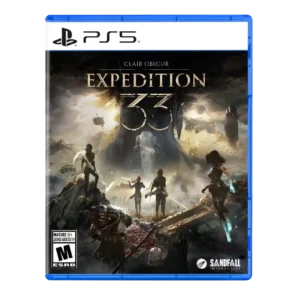
Choose Clair Obscur if you want a story-rich RPG with thrilling timed combat, gorgeous art, and standout music. Skip it if poor maps, tight parry timing, or occasional bugs and...
Pros: narrative quality, combat system
Cons: map and navigation design, menu usability