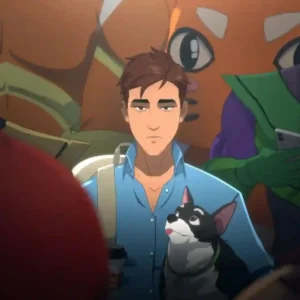
The comic-inspired presentation earns strong praise for its distinctive, polished look. Reviewers particularly like its stylized superhero aesthetic and character designs.
Pros: choice impact, narrative quality
Cons: gameplay mechanics, QTE design

The comic-inspired presentation earns strong praise for its distinctive, polished look. Reviewers particularly like its stylized superhero aesthetic and character designs.
Pros: choice impact, narrative quality
Cons: gameplay mechanics, QTE design

Art direction was praised for melding lush countryside, decay, color, and atmosphere into a distinctive look.
Pros: narrative quality, exploration quality
Cons: combat system, AI behavior

Art direction received high praise for colorful, dynamic environments and a striking Switch 2 look.
Pros: battle mode quality, content variety
Cons: learning curve, competitive balance
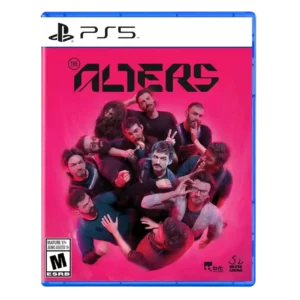
Art direction received strong praise for the alien planet, visual design, and Jan/Alter presentation.
Pros: narrative quality, replay value
Cons: difficulty balance, pacing

Art direction receives strong praise for the series’ comic-book style being more striking than before.
Pros: movement feel, loot system
Cons: performance optimization, narrative quality

Art direction receives near-universal praise for hand-drawn beauty, color variety, style, and a distinctive visual identity.
Pros: difficulty balance, art direction
Cons: economy and resource balance, checkpoint system
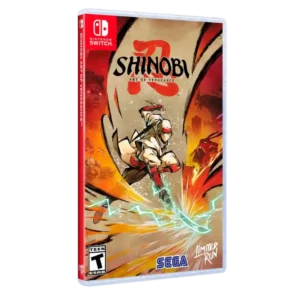
The hand-drawn art direction receives near-universal praise for its style, cohesion, painterly look, and strong franchise fit.
Pros: combat system, faithfulness to franchise
Cons: narrative quality, frame rate stability

Art direction is one of the strongest points, with repeated praise for character art, color, portraits, and Supergiant's visual identity.
Pros: combat system, progression system
Cons: originality
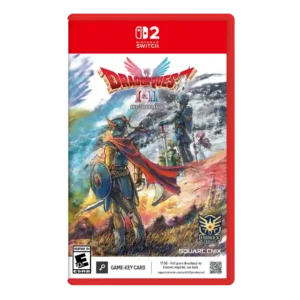
The HD-2D art direction was strongly praised for respecting old JRPG roots while making the worlds feel striking and modern.
Pros: remake/remaster quality, combat system
Cons: difficulty balance, grind level
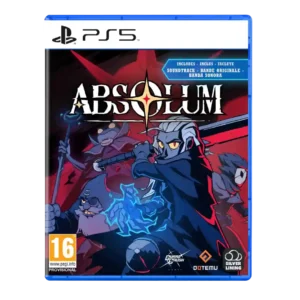
Art direction was one of the strongest consensus positives, repeatedly described as gorgeous, striking, or beautifully stylized.
Pros: combat system, replay value
Cons: narrative quality, grind level
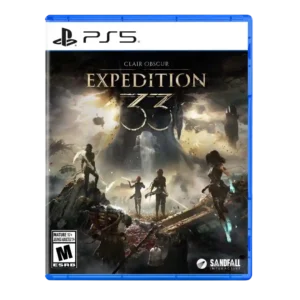
Art direction was highly praised for beauty, French-inspired style, surreal environments, and cohesive visual identity.
Pros: narrative quality, combat system
Cons: map and navigation design, menu usability
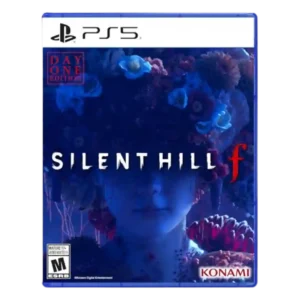
Art direction was one of the clearest strengths, with reviewers repeatedly praising the beauty-in-terror concept, monster imagery, and striking visual identity.
Pros: puzzle design, narrative quality
Cons: combat system, enemy variety

Reviewers strongly praise the painterly visual identity, lighting, color, and intentional environmental effects, with only mild familiarity concerns.
Pros: combat system, narrative quality
Cons: grind level, innovation
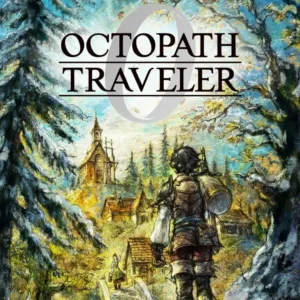
The HD-2D presentation remains a major attraction, with dramatic lighting, sprite work, and a diorama-like visual style that several reviewers regard as one of the series' defining strengths.
Pros: narrative quality, combat system
Cons: pacing, side character depth
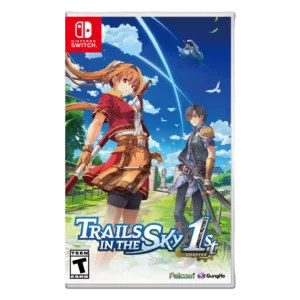
Art direction was praised for vibrant, expressive presentation and faithful anime-style modernization.
Pros: remake/remaster quality, combat system
Cons: content variety
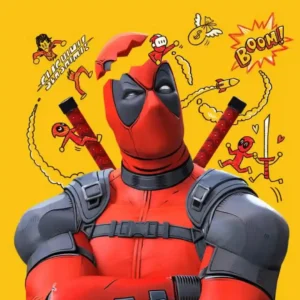
The cel-shaded comic-book presentation is one of the game's most celebrated qualities, with bold outlines, vibrant colors, and a look that feels naturally suited to Deadpool and Marvel.
Pros: combat system, voice acting
Cons: pacing, boss design
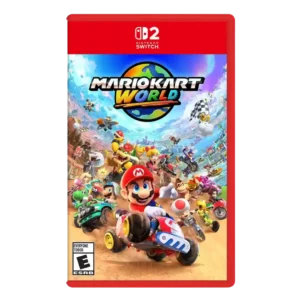
Art direction was strongly praised as stellar, charming, vibrant, and one of the game’s best aspects.
Pros: content variety, soundtrack quality
Cons: open-world design, exploration quality

Art direction received strong praise, especially for armor and overall visual identity reaching a franchise high point.
Pros: combat system, narrative quality
Cons: difficulty balance, endgame content
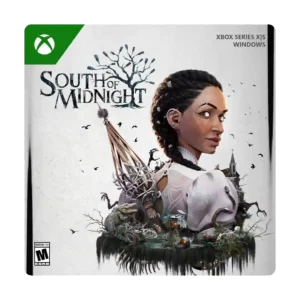
Art direction was one of the clearest strengths, repeatedly described as striking, gorgeous, phenomenal, or top-notch.
Pros: soundtrack quality, narrative quality
Cons: combat system, enemy variety

Art direction was a major positive, repeatedly tied to the Tears of the Kingdom aesthetic and strong visual mood.
Pros: combat system, character roster
Cons: level design, mission design

The decayed Soviet spaces, rewilded landscapes, and surreal anomalies give the Zone a striking visual identity. Its art direction consistently reinforces the game’s bleak, uncanny tone.
Pros: immersion, fun factor
Cons: bug frequency, AI behavior
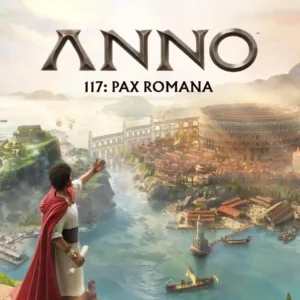
The Roman and Celtic art direction is a standout, pairing strong architecture with richly detailed islands and a distinctive historical look.
Pros: fun factor, graphics quality
Cons: learning curve, bug frequency

Art direction is strongly praised, especially the detailed vistas and rugged depiction of Australia.
Pros: narrative quality, combat system
Cons: difficulty balance, weapon balance

Art direction earns praise for retaining the series' charm and supporting a cozy, stylized identity.
Pros: core gameplay loop, narrative quality
Cons: crafting system, multiplayer design
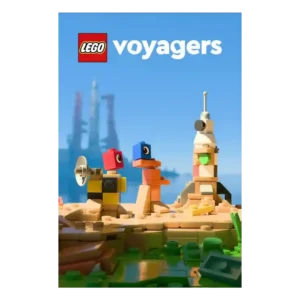
Art direction was consistently praised for authentic, realistic, warmly lit LEGO dioramas and strong visual identity.
Pros: co-op experience, puzzle design
Cons: controls responsiveness, replay value

Colorful pixel art, striking backgrounds, and readable action make the visual direction a consistent highlight. The style captures retro appeal while usually feeling refined rather than confined by imitation.
Pros: overall quality, difficulty balance
Cons: frame rate stability, performance optimization
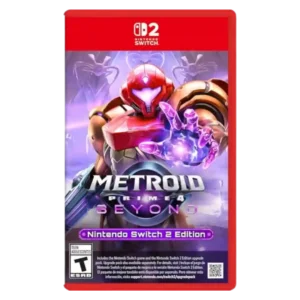
Art direction was one of the clearest strengths, with reviewers repeatedly calling the environments, lighting, and visual identity gorgeous or striking.
Pros: boss design, graphics quality
Cons: open-world design, side character depth
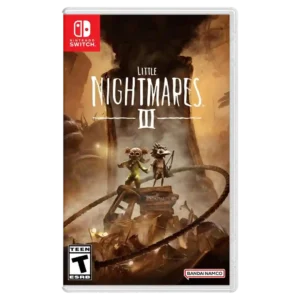
Art direction was one of the strongest areas, repeatedly praised as fantastic, phenomenal, breathtaking, or visually distinctive.
Pros: atmosphere, faithfulness to franchise
Cons: puzzle design, co-op experience
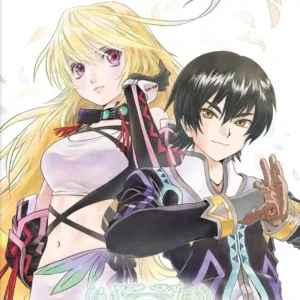
The colorful anime-inspired art direction has aged well and helps the game retain charm even when individual models, textures, and environments reveal their PS3 origins.
Pros: combat system, remake/remaster quality
Cons: animation quality, environmental detail
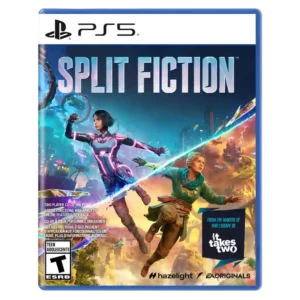
Art direction was widely praised for striking worlds, scale, and strong creative environments, even on compromised hardware.
Pros: co-op experience, content variety
Cons: writing quality, narrative quality

Most reviewers praised the bold, colorful, alien fantasy art direction, though a few disliked the cartoony look or felt presentation was uneven.
Pros: combat system, narrative quality
Cons: difficulty balance, enemy variety
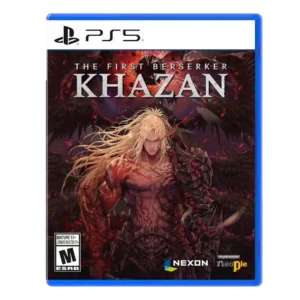
Art direction is broadly praised for its cel-shaded, anime-inflected, gothic style, though originality concerns remain elsewhere.
Pros: combat system, boss design
Cons: narrative quality, difficulty balance
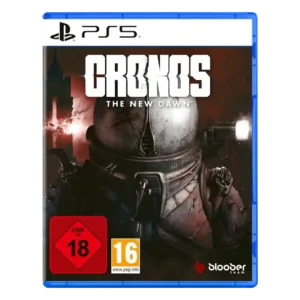
Art direction was one of the clearest strengths, especially the retro-futuristic, brutalist, Polish, and body-horror visual identity.
Pros: combat system, narrative quality
Cons: boss design, puzzle design
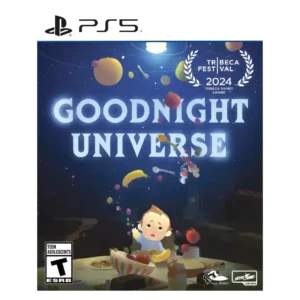
Art direction was generally praised for its colorful, charming, expressive, and warm visual identity, even when the world itself was not always detailed.
Pros: narrative quality, emotional impact
Cons: controls responsiveness, platform-specific feature support
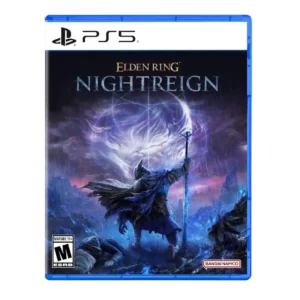
Art direction was praised as carrying over Elden Ring's strong fantasy style despite reused assets.
Pros: co-op experience, fun factor
Cons: difficulty balance, social features
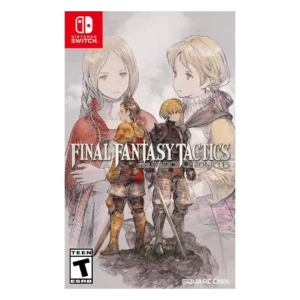
Art direction was generally praised for preserving the original identity while sharpening the presentation rather than replacing it.
Pros: remake/remaster quality, voice acting
Cons: content variety, camera behavior

The visual style of menus, maps, and medieval presentation received praise for matching the game’s historical tone.
Pros: combat system, narrative quality
Cons: save system reliability, learning curve
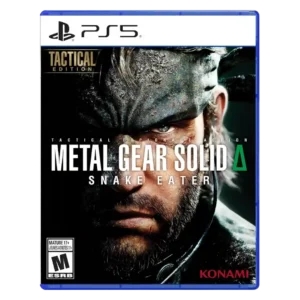
Art direction is praised for grounding the historical and cinematic presentation, especially through Yoji Shinkawa's influence.
Pros: remake/remaster quality, graphics quality
Cons: performance optimization, frame rate stability
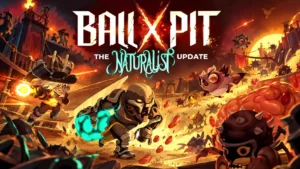
The low-poly and pixel-art mixture gives the game a distinctive retro fantasy identity. Many find it charming or hypnotic, while others dislike the jagged filtering and comparatively functional presentation.
Pros: fun factor, upgrade system
Cons: user interface design, grind level

The loud retro-futurist art direction is one of the game’s defining traits. It is often gorgeous, vibrant, and refreshingly distinctive, though the color and visual density can be overwhelming.
Pros: fun factor, loot system
Cons: difficulty balance, quest design

French towns, vineyards, ruined buildings, and stormy facilities give the game an appealing visual identity. Strong composition and period architecture often impress more than the underlying rendering technology.
Pros: overall quality, level design
Cons: innovation, mission design
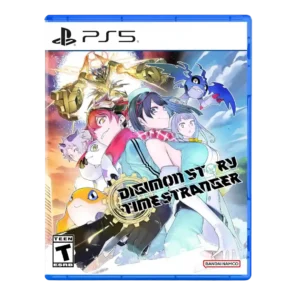
Art direction was generally praised for anime style, strong Digimon designs, and appealing visual identity.
Pros: progression system, narrative quality
Cons: pacing, content variety

Art direction was praised as fresh, stylized, and charming, though Digital Foundry noted some visual presentation weaknesses.
Pros: fun factor, world interactivity
Cons: frame rate stability, boss design
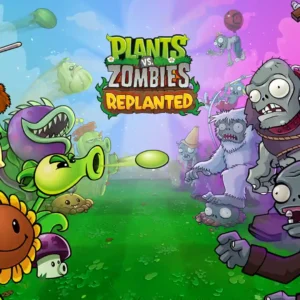
The bright, goofy plant-and-zombie style remains a major strength and still carries plenty of personality. Some players feel the HD treatment flattens shadows, lines, or texture character that gave the...
Pros: fun factor, remake/remaster quality
Cons: graphics quality, soundtrack quality

Most reviewers liked the retro-futuristic, post-apocalyptic look, though one sharply negative review found the visuals bland and generic.
Pros: sound design, combat system
Cons: voice acting, menu usability
Art direction was mostly praised for cinematography, lighting, production design, and visual identity, with one strongly negative dissent calling the aesthetic average.
Pros: narrative quality, character development
Cons: pacing, gameplay mechanics

Art direction was mostly praised for color, personality, and alien worlds, though one reviewer preferred the first game's grounded look.
Pros: combat system, progression system
Cons: pacing, AI behavior
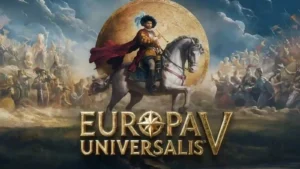
Visual direction is mixed but generally positive: splash art and flat-map presentation earn strong praise, while some reviewers think the 3D aesthetic trails Paradox’s best-looking titles.
Pros: gameplay mechanics, fun factor
Cons: learning curve, AI behavior
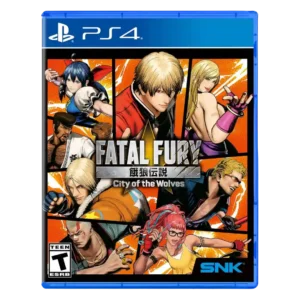
Art direction is often praised for comic-book/cel-shaded style and franchise continuity, but some reviewers criticize aesthetic inconsistency.
Pros: content variety, gameplay mechanics
Cons: learning curve, user interface design
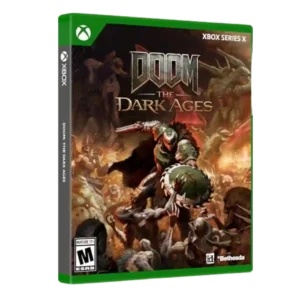
Art direction was generally praised for techno-medieval style and fresh locations, though one reviewer found the direction less Doom-like.
Pros: combat system, weapon balance
Cons: flying mechanics, narrative quality