Best for tone mapping
Samsung U8000H
4.5 attribute score
Highest scored product for this attribute based on supporting review evidence.

Highest scored product for this attribute based on supporting review evidence.
Balances the attribute score, supporting reviews, and overall product strength.
Has the broadest review evidence for this attribute.
Strongest overall product among items with scored evidence for this attribute.
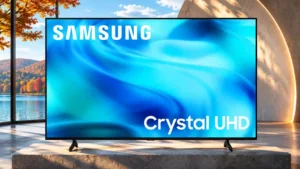
Overall: 2.7/5
Smooth HDR roll-off preserves some gradation, but it cannot overcome the screen’s modest brightness.
Pros: white balance accuracy, design and appearance
Cons: overall satisfaction, value for money

Overall: 4.0/5
Static mapping favors accuracy, while active options add visible punch and can trade accuracy or bright detail for intensity.
Pros: reflection handling, overall satisfaction
Cons: Dolby Vision support, bass performance

Overall: 4.5/5
Tone mapping generally preserves bright highlights and dark detail well. Active mapping can add useful brightness or shadow visibility, though stronger settings may sacrifice some fine highlight detail.
Pros: glare resistance, black levels
Cons: Dolby Vision support, color gamut
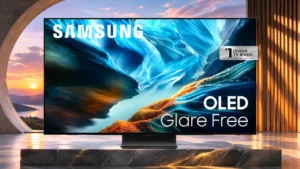
Overall: 4.1/5
Static tone mapping favors accuracy, while Active makes scenes brighter at the cost of faithful reproduction.
Pros: black levels, contrast ratio
Cons: Dolby Vision support, stutter handling
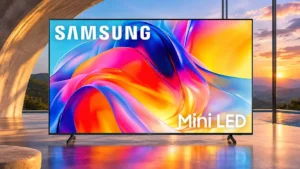
Overall: 2.6/5
Midtones are mostly handled accurately, with a soft rolloff preserving some gradation in highlights.
Pros: sound quality, picture quality
Cons: value for money, local dimming performance
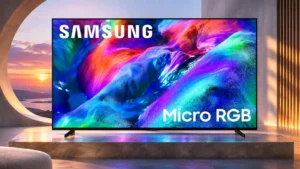
Overall: 3.8/5
HDR roll-off balances highlight visibility and image brightness, though slight crushing can remain.
Pros: overall satisfaction, color gamut
Cons: value for money, local dimming performance

Overall: 3.9/5
Tone mapping is serviceable with some important tradeoffs, rather than a standout strength.
Pros: color volume, black levels
Cons: Inconsistent panel and coating by size, sound quality
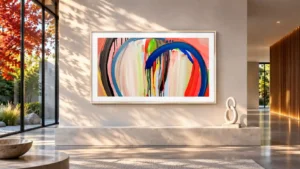
Overall: 3.5/5
An orderly roll-off protects highlights from abrupt clipping, but those highlights remain restrained in brightness.
Pros: art display mode, design and appearance
Cons: overall satisfaction, HDMI port accessibility

Overall: 3.8/5
HDR midtones are accurate and bright gradients are controlled, although small or very bright highlights lose impact.
Pros: cable management, design and appearance
Cons: value for money, Dolby Vision support

Overall: 4.2/5
Tone mapping can preserve highlights and natural midtones, but aggressive options sacrifice accuracy for extra brightness. Some scenes look darker or more processed than intended.
Pros: high-refresh-rate gaming, gaming performance
Cons: value for money, bass performance

Overall: 4.0/5
Bright effects are controlled effectively. Tone mapping sometimes flattens image depth.
Pros: black levels, picture quality
Cons: glare resistance, reflection handling

Overall: 3.3/5
Tone mapping works surprisingly well on some samples in Standard mode, but other settings flatten highlights, shift shadows, or clip bright detail.
Pros: color accuracy, upscaling quality
Cons: picture quality, sound quality
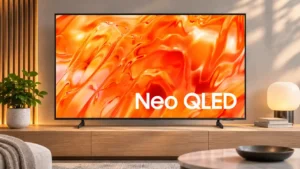
Overall: 3.1/5
More aggressive HDR mapping can raise overall brightness, but it does not improve peak output or fix the hardware's HDR limits.
Pros: picture quality, overall satisfaction
Cons: sound quality, black levels
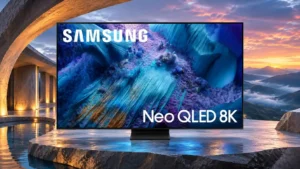
Overall: 3.8/5
Static tone mapping better preserves the intended image, while active mapping boosts brightness at the cost of some accuracy and subtlety.
Pros: glare resistance, overall satisfaction
Cons: input lag, value for money
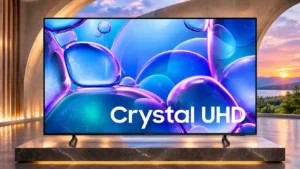
Overall: 3.0/5
Game HDR brightness settings may not track the intended presentation reliably, making some scenes too dim.
Pros: picture quality, smart TV platform
Cons: value for money, refresh rate

Overall: 3.0/5
HDR tone-mapping modes sometimes produce blown highlights or dark-looking results; tweaking settings cannot fix limited panel brightness.
Pros: color gamut, smart TV platform
Cons: value for money, overall satisfaction