Best for tone mapping
LG B5 OLED
5.0 attribute score
Highest scored product for this attribute based on supporting review evidence.

Highest scored product for this attribute based on supporting review evidence.
Balances the attribute score, supporting reviews, and overall product strength.
Has the broadest review evidence for this attribute.
Strongest overall product among items with scored evidence for this attribute.

Overall: 4.2/5
Careful HDR tracking preserves the intent of most scenes and protects bright highlight detail.
Pros: value for money, color accuracy
Cons: HDR brightness, reflection handling
Overall: 4.0/5
Highlights retain smooth gradation, though the TV sometimes protects detail by limiting how bright tiny elements appear.
Pros: contrast ratio, black levels
Cons: reflection handling, color accuracy

Overall: 4.0/5
Tone mapping brings a genuine tradeoff: some experiences are favorable, but other usage conditions expose frustrating limits.
Pros: value for money, overall satisfaction
Cons: Remote control usability, sound quality
Overall: 4.2/5
The G5 offers controlled HDR tone mapping and optional extra punch, although aggressive dynamic modes can depart from creator intent.
Pros: overall satisfaction, picture quality
Cons: banding control, remote control quality
Overall: 4.1/5
Static HDR tracking is often impressively faithful, while Dynamic Tone Mapping makes the picture brighter at the cost of some accuracy.
Pros: gaming performance, HDR brightness
Cons: reflection handling, glare resistance
Overall: 4.0/5
Dynamic tone mapping can keep highlights visually strong, though measured luminance is uneven and may stray from accurate mastering.
Pros: peak brightness, picture quality
Cons: value for money, viewing angles
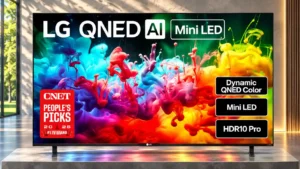
Overall: 3.4/5
Dynamic processing preserves some highlight details but cannot overcome the display’s inherently limited peak brightness.
Pros: picture quality, color accuracy
Cons: remote control quality, black levels
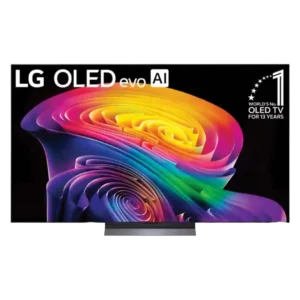
Overall: 4.1/5
Native HDR tone mapping preserves highlight detail well, but SDR-to-HDR remastering is inconsistent and can add harsh edges, cool tones, or an artificial look. PC HDR also showed mapping bugs...
Pros: picture quality, gaming performance
Cons: value for money, sound quality
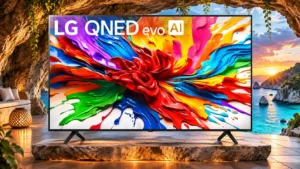
Overall: 3.9/5
Midtones can be slightly crushed even while shadow details appear controlled. Bright HDR mastering levels can affect the smoothness of highlight roll-off.
Pros: gaming performance, overall satisfaction
Cons: sound quality, value for money
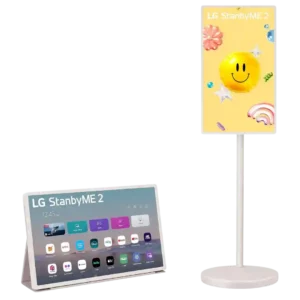
Overall: 3.8/5
Dynamic Tone Mapping Pro is present, but its real-world effect was judged modest. The edge-lit panel limits how much the processing can improve contrast-heavy HDR scenes.
Pros: overall satisfaction, portability and versatility
Cons: value for money, menu responsiveness

Overall: 4.4/5
Dynamic tone mapping can reveal shadows and add punch, but several tests found it overbrightened, washed out, or reduced highlight and color nuance. Accuracy is usually best with it disabled.
Pros: picture quality, peak brightness
Cons: value for money, sound quality

Overall: 3.1/5
The screen does not track HDR luminance consistently, with raised shadows, subdued midtones, and an abrupt ceiling near peak brightness.
Pros: design and appearance, maximum volume
Cons: picture quality, value for money
Overall: 3.0/5
HDR mids track reasonably well, but dark shading is raised and bright highlights clip.
Pros: viewing angles, smart TV platform
Cons: overall satisfaction, refresh rate