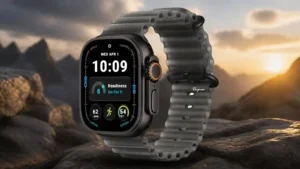
The 3,000-nit display is extremely bright outdoors and remains easy to see in demanding lighting.
Pros: battery life, value for money
Cons: data privacy, comfort

The 3,000-nit display is extremely bright outdoors and remains easy to see in demanding lighting.
Pros: battery life, value for money
Cons: data privacy, comfort
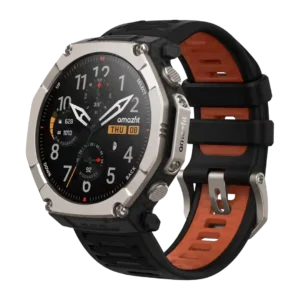
Brightness was excellent, with reviewers finding the screen crisp and easy to see outdoors.
Pros: battery life, value for money
Cons: heart rate accuracy, comfort
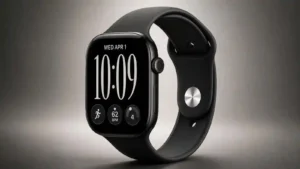
Brightness is more than sufficient for everyday use, with the display reaching a very high peak while still dimming comfortably at night.
Pros: value for money, heart rate accuracy
Cons: data privacy

Reviewers consistently found the AMOLED display bright and vivid enough for normal use, including direct sunlight, even though Garmin’s pricier watches can get brighter.
Pros: value for money, GPS accuracy
Cons: mapping and navigation, third-party app support

Brightness receives very strong praise, with reviewers highlighting readability, 3,000-nit output, and performance in direct sun.
Pros: value for money, battery life
Cons: heart rate accuracy, third-party app support

The 5,000-nit panel is consistently praised as exceptionally bright, even if some consider that level more than most situations require. Its extra headroom becomes genuinely useful in harsh sun and...
Pros: battery life, comfort
Cons: value for money, charging speed
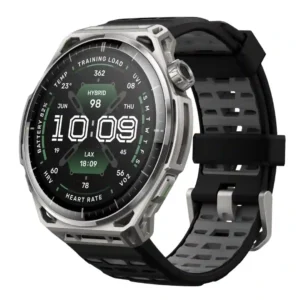
The 3,000-nit AMOLED was repeatedly praised as exceptionally bright. Workout data remained easy to read in strong sunlight, making the screen a major outdoor advantage.
Pros: battery life, brightness
Cons: fit, third-party app support
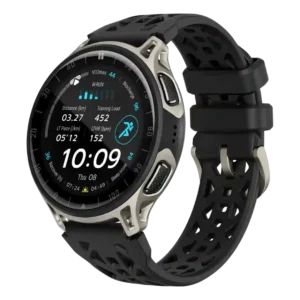
Brightness was consistently praised, with reviewers calling the 3,000-nit display highly readable in sun and a major visibility advantage.
Pros: GPS accuracy, battery life
Cons: band quality, smartwatch features
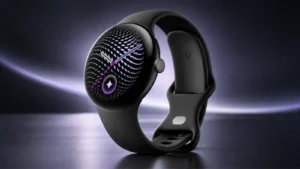
Brightness is consistently excellent, with 3,000-nit peak output making the watch easy to read in harsh daylight and bright outdoor conditions.
Pros: software smoothness, style and design
Cons: value for money, wellness insights
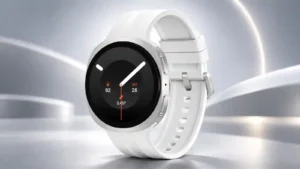
The 3,000-nit panel is consistently praised as bright enough for outdoor use. Even reviewers comparing it with brighter Ultra hardware generally consider the Watch 9's brightness more than sufficient.
Pros: software smoothness, wellness insights
Cons: battery life, charging speed

The AMOLED panel is bright enough for outdoor training and everyday use, even if it does not match Garmin’s premium displays. Medium brightness can preserve battery without sacrificing much legibility.
Pros: battery life, value for money
Cons: mapping and navigation, smartwatch features
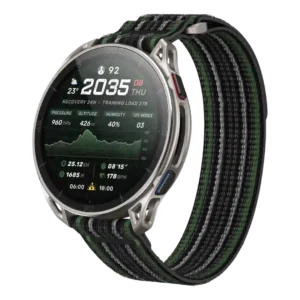
Brightness is usually praised as top tier, though one reviewer found Apple and Garmin screens punchier outdoors.
Pros: battery life, value for money
Cons: reliability
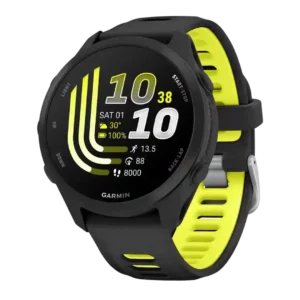
The AMOLED is consistently described as bright enough for everyday and outdoor use, though it is not Garmin’s brightest panel.
Pros: value for money, battery life
Cons: mapping and navigation, materials quality
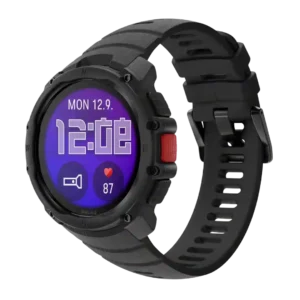
Brightness was adequate but not class-leading, with reviewers noting it was not super bright or suggesting brighter-display shoppers look elsewhere.
Pros: value for money, flashlight usefulness
Cons: user interface