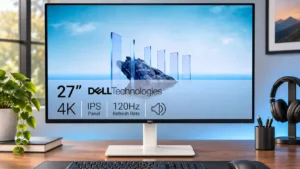
120Hz is a substantial everyday upgrade for scrolling, window movement and casual play, even though panel response cannot always keep up.
Pros: value for money, Resolution
Cons: port selection, HDR performance

120Hz is a substantial everyday upgrade for scrolling, window movement and casual play, even though panel response cannot always keep up.
Pros: value for money, Resolution
Cons: port selection, HDR performance
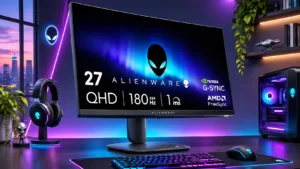
The 180Hz refresh rate makes gameplay visibly smoother than 60Hz and is a central draw for this value-focused monitor.
Pros: overall satisfaction, refresh rate
Cons: HDR performance, HDMI 2.1 support
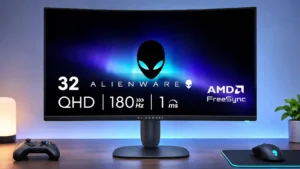
The 180Hz refresh is a major advantage for smooth shooters and racing games, even though the panel itself can still smear.
Pros: value for money, overall satisfaction
Cons: HDR performance, Headphone output quality
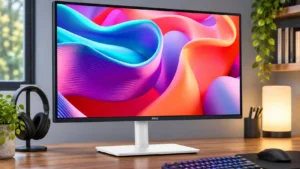
The 144Hz refresh rate makes scrolling and mouse movement noticeably smoother than basic 60Hz office screens and adds some appeal for casual games.
Pros: USB hub functionality, USB-C power delivery
Cons: speaker quality

The jump to 120Hz makes everyday scrolling, cursor motion and window movement meaningfully more fluid than 60Hz. It does not fix the panel’s slower pixel response.
Pros: port selection, USB hub functionality
Cons: competitive gaming suitability, motion clarity

The 120Hz refresh rate makes everyday scrolling and window movement noticeably smoother than 60Hz and adds useful casual-gaming headroom.
Pros: value for money, Resolution
Cons: port selection, competitive gaming suitability
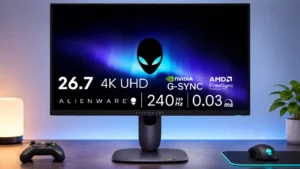
The 240Hz refresh rate was considered smooth and future-proof for most users, even if faster esports-focused OLEDs exist.
Pros: value for money, sharpness
Cons: brightness, USB hub functionality
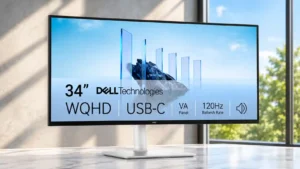
At 120Hz, scrolling and window motion look notably smoother than 60Hz work monitors, though fast gaming remains a secondary use.
Pros: overall satisfaction, screen size
Cons: stand adjustability, Photo editing
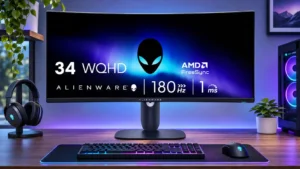
A 180Hz ceiling gives fluid gaming and plenty of headroom, though the VA panel cannot fully keep up with every transition.
Pros: ultrawide gaming experience, black levels
Cons: HDR performance, viewing angles
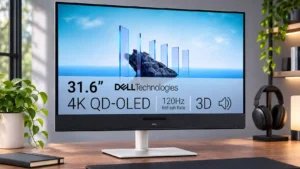
120Hz is smooth for daily use and casual play, yet distinctly slower than many similarly priced 240Hz OLED gaming displays.
Pros: overall picture quality, overall satisfaction
Cons: port selection, brightness
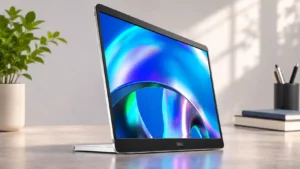
The standard 60Hz refresh is fine for office work but falls short of smooth high-refresh gaming.
Pros: brightness, portability and weight
Cons: value for money, port selection