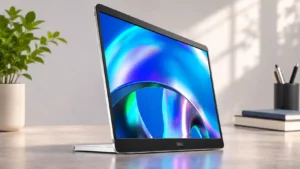
The extra screen helps keep spreadsheets, chat and reference material visible while the laptop handles the main task.
Pros: brightness, portability and weight
Cons: value for money, port selection

The extra screen helps keep spreadsheets, chat and reference material visible while the laptop handles the main task.
Pros: brightness, portability and weight
Cons: value for money, port selection
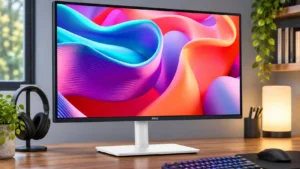
The relatively compact 27-inch size and swivel adjustments make two screens practical to align on a desk.
Pros: USB hub functionality, USB-C power delivery
Cons: speaker quality
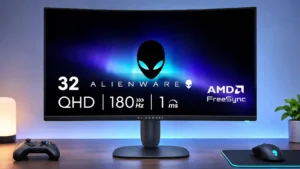
Its 1440p resolution sits comfortably alongside existing 1080p screens, avoiding the awkward resolution jumps of one earlier 4K setup.
Pros: value for money, overall satisfaction
Cons: HDR performance, Headphone output quality
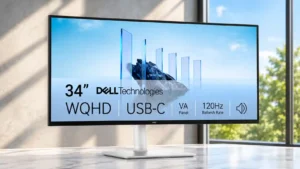
The spacious screen can stand in for dual monitors while avoiding a bezel down the middle.
Pros: overall satisfaction, screen size
Cons: stand adjustability, Photo editing
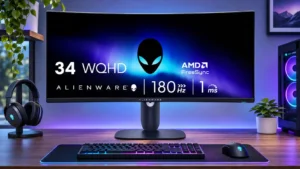
One wide display can feel less cramped than two separated screens for everyday side-by-side tasks, without matching every dual-monitor workflow.
Pros: ultrawide gaming experience, black levels
Cons: HDR performance, viewing angles

The clean bezels and adjustable height help adjacent displays line up, while video outputs support second-screen arrangements. Daisy-chain bandwidth and angle-dependent color can be problematic.
Pros: port selection, USB hub functionality
Cons: competitive gaming suitability, motion clarity

Thin borders and pivot support work nicely for paired displays, and one owner was happy enough to buy two. Another reported noticeable green-tinted white uniformity differences between two units.
Pros: value for money, Resolution
Cons: port selection, competitive gaming suitability
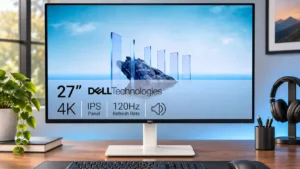
The sharp affordable panel makes sense in a two-monitor office, though some dock-based configurations require troubleshooting to achieve the desired refresh rates.
Pros: value for money, Resolution
Cons: port selection, HDR performance