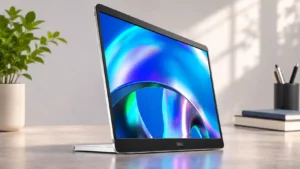
A simple, portable way to regain two-screen productivity in places where a full desk setup is impossible.
Pros: brightness, portability and weight
Cons: value for money, port selection

A simple, portable way to regain two-screen productivity in places where a full desk setup is impossible.
Pros: brightness, portability and weight
Cons: value for money, port selection
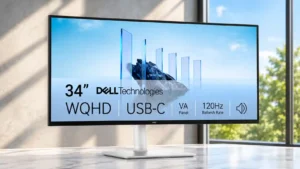
Several windows fit on one seamless screen, which can replace the awkward break between paired monitors.
Pros: overall satisfaction, screen size
Cons: stand adjustability, Photo editing
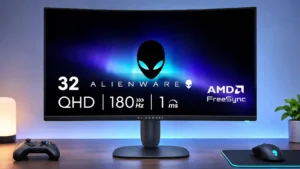
A mixed-resolution multi-monitor desk can accommodate it well; the 1440p panel proved easier to combine with two 1080p displays.
Pros: value for money, overall satisfaction
Cons: HDR performance, Headphone output quality
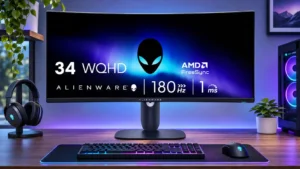
The large continuous workspace is convenient for multiple windows, but a true pair of independent displays still offers different flexibility.
Pros: ultrawide gaming experience, black levels
Cons: HDR performance, viewing angles

Two matched screens can make a tidy work surface, especially with flexible stands and downstream video connections. However, some configurations struggle with bandwidth or visible panel tint differences.
Pros: port selection, USB hub functionality
Cons: competitive gaming suitability, motion clarity

Thin bezels and easy portrait rotation suit multi-screen workstations, although one user found greenish tint differences between paired units.
Pros: value for money, Resolution
Cons: port selection, competitive gaming suitability
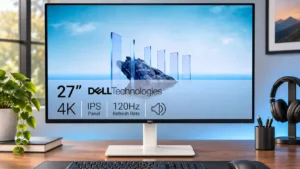
It can work well as one of two sharp 4K office displays when each monitor is connected conventionally. Dock-based pairs may require troubleshooting to achieve 120Hz on both screens.
Pros: value for money, Resolution
Cons: port selection, HDR performance