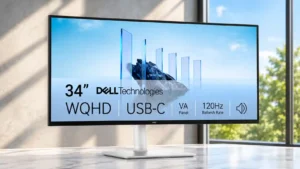
The wide 34-inch canvas earns praise for replacing cramped multiwindow desktop setups.
Pros: overall satisfaction, screen size
Cons: stand adjustability, Photo editing

The wide 34-inch canvas earns praise for replacing cramped multiwindow desktop setups.
Pros: overall satisfaction, screen size
Cons: stand adjustability, Photo editing
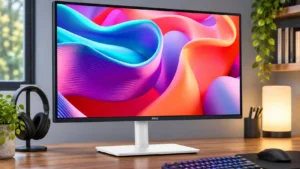
The 27-inch panel is widely regarded as a comfortable size for work, reading and keeping multiple tasks visible without moving to a much larger display.
Pros: USB hub functionality, USB-C power delivery
Cons: speaker quality

The 27-inch format works well alongside another display and balances 4K density with a compact footprint; those needing more space can choose a larger model.
Pros: port selection, USB hub functionality
Cons: competitive gaming suitability, motion clarity
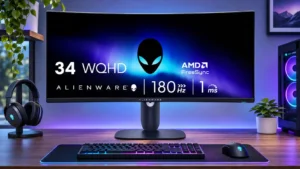
The 34-inch footprint creates an enjoyable, spacious gaming and multitasking view while requiring a sufficiently wide desk.
Pros: ultrawide gaming experience, black levels
Cons: HDR performance, viewing angles
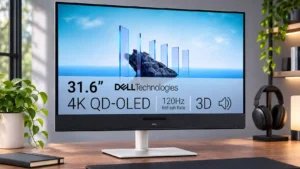
The large 32-inch canvas is excellent for side-by-side documents and viewing content, but it may overwhelm smaller desks.
Pros: overall picture quality, overall satisfaction
Cons: port selection, brightness
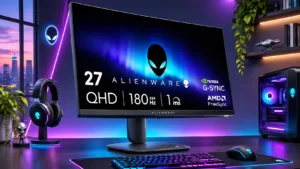
The 27-inch size is widely seen as a good match for QHD and feels like a meaningful improvement over smaller older panels.
Pros: overall satisfaction, refresh rate
Cons: HDR performance, HDMI 2.1 support
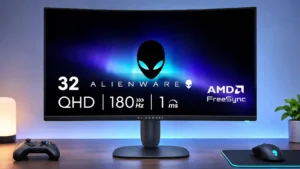
The expansive 32-inch screen makes games and work more immersive and spacious, though it can feel oversized at close competitive-gaming distances.
Pros: value for money, overall satisfaction
Cons: HDR performance, Headphone output quality
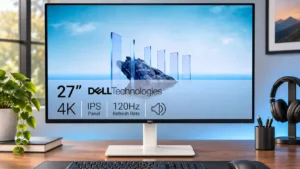
The 27-inch format balances usable multitasking space against a modest footprint, though native 4K text often needs scaling.
Pros: value for money, Resolution
Cons: port selection, HDR performance

The 27-inch 4K format balances crisp detail with manageable desk space, although some video editors would prefer a larger working canvas.
Pros: value for money, Resolution
Cons: port selection, competitive gaming suitability
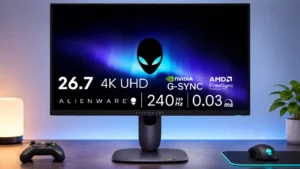
The 27-inch size was seen as compact and desk-friendly, though some reviewers preferred larger 32-inch displays for immersion.
Pros: value for money, sharpness
Cons: brightness, USB hub functionality
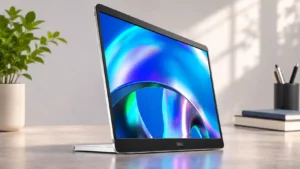
The compact 14-inch footprint favors travel and secondary-screen use, rather than replacing a roomy main monitor.
Pros: brightness, portability and weight
Cons: value for money, port selection