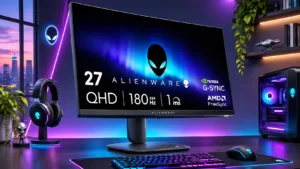
180Hz motion and quick response make shooters a strong fit, though VRR blur and faster 320Hz alternatives temper top-tier esports appeal.
Pros: overall satisfaction, refresh rate
Cons: HDR performance, HDMI 2.1 support

180Hz motion and quick response make shooters a strong fit, though VRR blur and faster 320Hz alternatives temper top-tier esports appeal.
Pros: overall satisfaction, refresh rate
Cons: HDR performance, HDMI 2.1 support
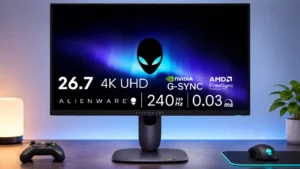
Competitive gaming suitability was strong for 4K/240Hz responsiveness, though hardcore esports players may still prefer faster lower-resolution panels.
Pros: value for money, sharpness
Cons: brightness, USB hub functionality
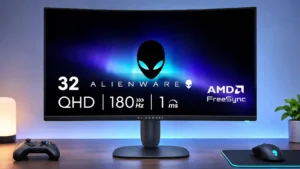
Shooters can be very smooth at 180Hz, but dark or bright smearing and the sheer 32-inch size make this a conditional choice for demanding competitive play.
Pros: value for money, overall satisfaction
Cons: HDR performance, Headphone output quality
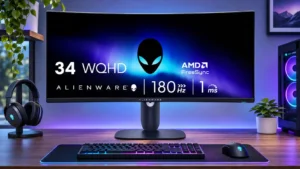
Low input lag helps in competitive titles, but dark smearing and relatively slow pixel transitions hold it back for motion-focused players.
Pros: ultrawide gaming experience, black levels
Cons: HDR performance, viewing angles
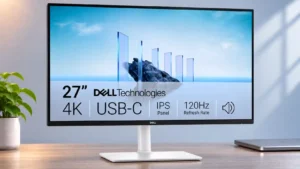
Low input lag helps, but the 120Hz cap and pronounced moving-object trails make fast esports shooters a weaker fit than dedicated gaming screens.
Pros: value for money, Resolution
Cons: port selection, competitive gaming suitability
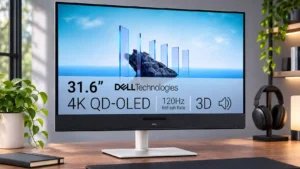
Fast OLED pixel response helps, but 120Hz is less competitive than 240Hz OLED alternatives; most serious esports players should look elsewhere.
Pros: overall picture quality, overall satisfaction
Cons: port selection, brightness
The competitive gaming suitability is a recurring limitation, especially compared with more flexible or higher-end portable monitors.
Pros: brightness, portability and weight
Cons: value for money, port selection
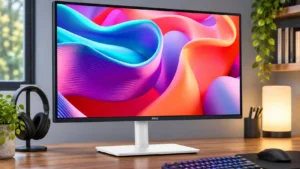
The S2725DC is aimed at everyday work and occasional play rather than serious competition; blurry motion makes it a poor choice for fast, demanding matches.
Pros: USB hub functionality, USB-C power delivery
Cons: speaker quality
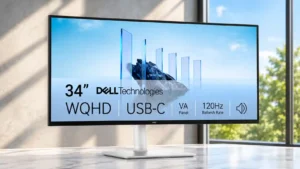
Casual games run well enough, but high-speed competitive players are encouraged to choose a faster, gaming-focused screen.
Pros: overall satisfaction, screen size
Cons: stand adjustability, Photo editing
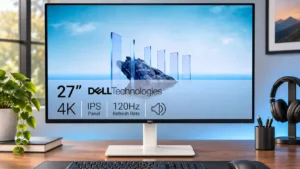
Low input lag helps, but sluggish pixel transitions and visible blur make this weaker than a properly tuned gaming monitor for esports.
Pros: value for money, Resolution
Cons: port selection, HDR performance
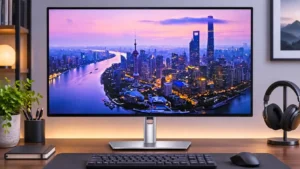
This is not a good choice for serious competitive play: pixel response is slow despite the 120Hz refresh, and aggressive overdrive can cause distracting halos.
Pros: port selection, USB hub functionality
Cons: competitive gaming suitability, motion clarity