Best for art direction
Street Fighter 6
5.0 feature score
Highest scored product for this feature based on supporting review evidence.

Highest scored product for this feature based on supporting review evidence.
Balances feature score, supporting reviews, and overall product strength.
Has the broadest review evidence for this feature.
Strongest overall product among items with scored evidence for this feature.
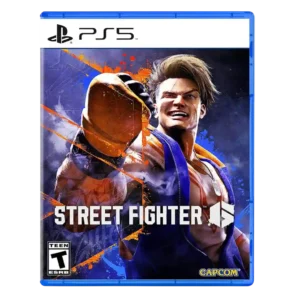
Art direction was a major strength, with repeated praise for the graffiti, hip-hop, urban, and colorful visual identity.
Pros: movement feel, art direction
Cons: platforming precision, writing quality
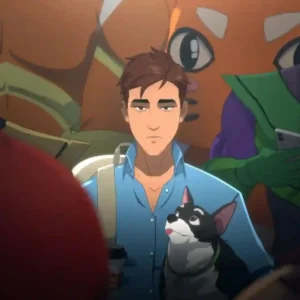
The comic-inspired presentation earns strong praise for its distinctive, polished look. Reviewers particularly like its stylized superhero aesthetic and character designs.
Pros: mission design, upgrade system
Cons: family friendliness, onboarding experience
The Nordic landscapes, weather, lighting, architecture, and strong visual mood have aged extremely well. Even reviewers who call the raw graphics dated still praise the art direction for making Skyrim...
Pros: gameplay mechanics, core gameplay loop
Cons: camera behavior, haptic feedback integration
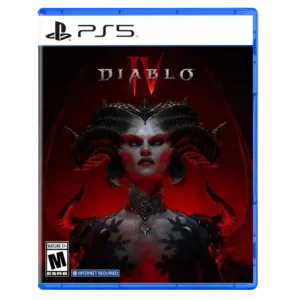
Art direction was a standout strength, with reviewers praising Diablo IV’s darker horror look and expansion region aesthetics.
Pros: lore depth, art direction
Cons: mission variety, protagonist appeal
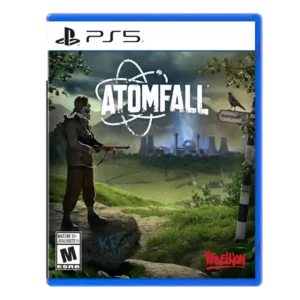
Art direction was praised for melding lush countryside, decay, color, and atmosphere into a distinctive look.
Pros: art direction, frame rate stability
Cons: boss design, camera behavior
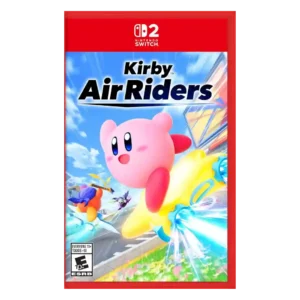
Art direction received high praise for colorful, dynamic environments and a striking Switch 2 look.
Pros: flying mechanics, exploration quality
Cons: AI behavior, boss design
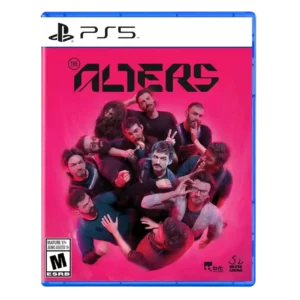
Art direction received strong praise for the alien planet, visual design, and Jan/Alter presentation.
Pros: controls responsiveness, onboarding experience
Cons: crash stability, grind level
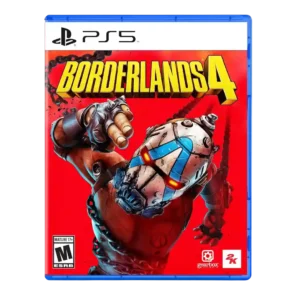
Art direction receives strong praise for the series’ comic-book style being more striking than before.
Pros: sandbox freedom, art direction
Cons: polish, save system reliability
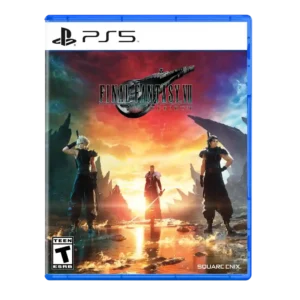
Art direction receives high praise for maximalist world creation and imaginative modern design.
Pros: world-building, art direction
Cons: mission design, stealth mechanics
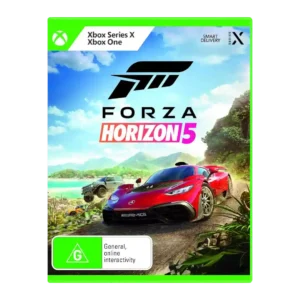
Art direction is praised for making Mexico’s culture, music, murals, and ambience feel authentic.
Pros: controls responsiveness, movement feel
Cons: tutorial quality, animation quality
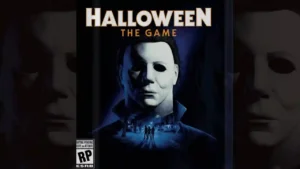
Rainy streets, glowing interiors, and careful lighting give Haddonfield a striking, film-like visual identity.
Pros: world interactivity, world-building
Cons: dialogue quality, aiming precision
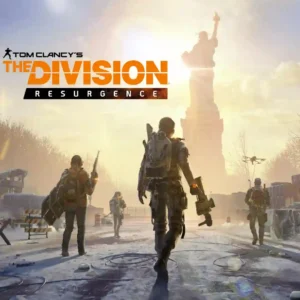
Snow-covered New York convincingly recreates the original game's visual identity and post-crisis mood.
Pros: exploration quality, sandbox freedom
Cons: mission variety, companion AI
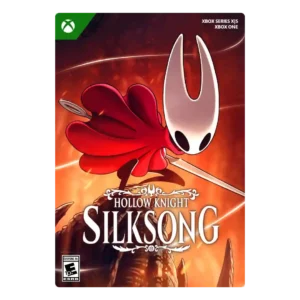
Art direction receives near-universal praise for hand-drawn beauty, color variety, style, and a distinctive visual identity.
Pros: core gameplay loop, world interactivity
Cons: loot system, accessibility options
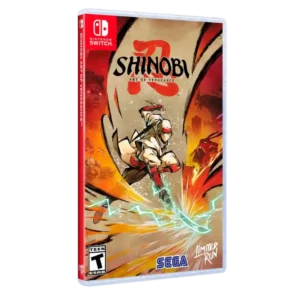
The hand-drawn art direction receives near-universal praise for its style, cohesion, painterly look, and strong franchise fit.
Pros: graphics quality, environmental detail
Cons: bug frequency, dialogue quality
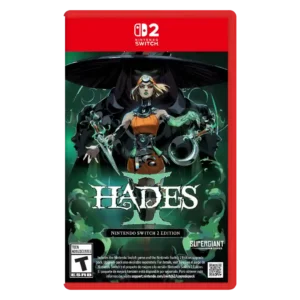
Art direction is one of the strongest points, with repeated praise for character art, color, portraits, and Supergiant's visual identity.
Pros: skill tree depth, dialogue quality
Cons: emotional impact, economy and resource balance
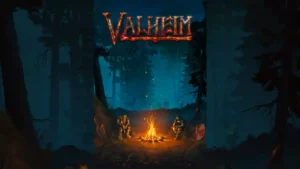
The deliberately low-fi, pixelated style is repeatedly called beautiful, distinctive, and timeless, helped by cohesive Norse imagery and strong lighting.
Pros: core gameplay loop, movement feel
Cons: economy and resource balance, map and navigation design
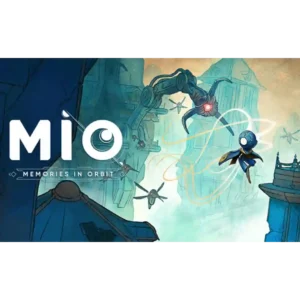
The watercolor, sketchbook, and graphic-novel look is the game’s most consistent standout. Distinct biomes, muted pastels, bold shapes, and tiny environmental details make The Vessel striking even when the action...
Pros: level design, content variety
Cons: checkpoint system, lore depth
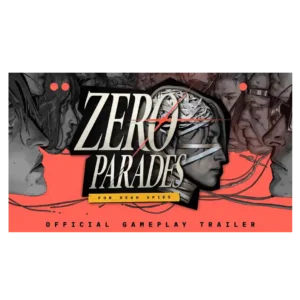
The painterly, graphic-novel-inspired visuals are one of the game’s clearest strengths. Portofiro’s beauty, grime, neon color, and surreal imagery consistently reinforce its political and psychological tone.
Pros: level design, world interactivity
Cons: performance optimization, menu usability
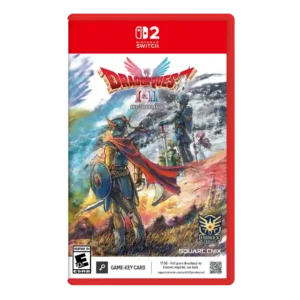
The HD-2D art direction was strongly praised for respecting old JRPG roots while making the worlds feel striking and modern.
Pros: visual effects quality, environmental detail
Cons: AI behavior, level design
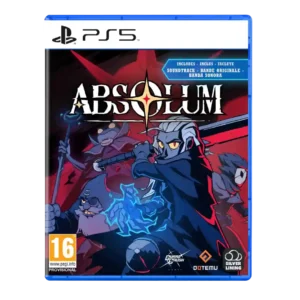
Art direction was one of the strongest consensus positives, repeatedly described as gorgeous, striking, or beautifully stylized.
Pros: mission design, world interactivity
Cons: quest design, endgame content
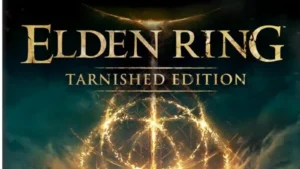
The art direction remains one of the game’s clearest strengths: dramatic vistas, strange creatures, monumental architecture, and a distinctive dark-fantasy style survive the Switch 2 downgrade exceptionally well.
Pros: gameplay mechanics, core gameplay loop
Cons: platforming precision, tutorial quality
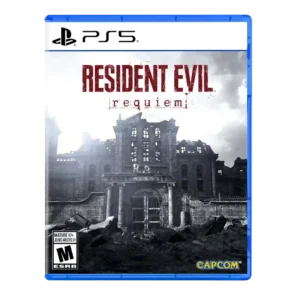
Art direction was praised for grotesque beauty and an effective old/new visual mix.
Pros: driving mechanics, protagonist appeal
Cons: platform-specific feature support, checkpoint system
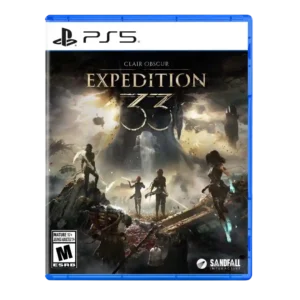
Art direction was highly praised for beauty, French-inspired style, surreal environments, and cohesive visual identity.
Pros: monetization fairness, microtransaction impact
Cons: platforming precision, menu usability
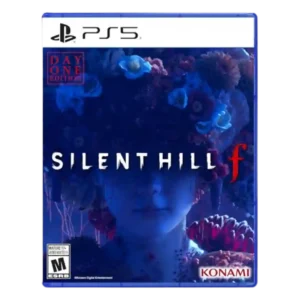
Art direction was one of the clearest strengths, with reviewers repeatedly praising the beauty-in-terror concept, monster imagery, and striking visual identity.
Pros: voice acting, emotional impact
Cons: family friendliness, menu usability
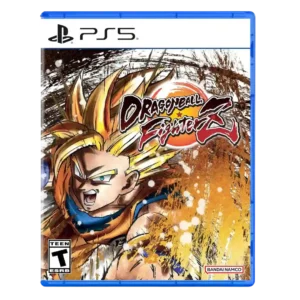
Art direction earns very high marks for faithful cel shading, Toriyama-style character work, and deliberate anime framing.
Pros: movement feel, world-building
Cons: save system reliability, mission variety
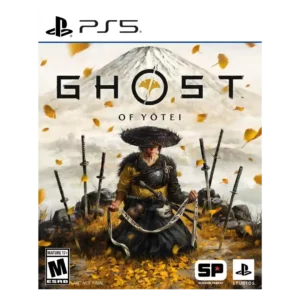
Reviewers strongly praise the painterly visual identity, lighting, color, and intentional environmental effects, with only mild familiarity concerns.
Pros: movement feel, environmental detail
Cons: puzzle design, age appropriateness
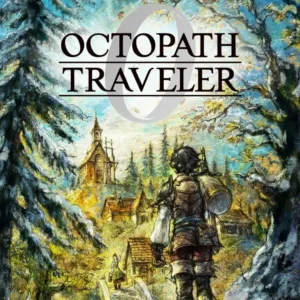
The HD-2D presentation remains a major attraction, with dramatic lighting, sprite work, and a diorama-like visual style that several reviewers regard as one of the series' defining strengths.
Pros: core gameplay loop, world-building
Cons: choice impact, economy and resource balance
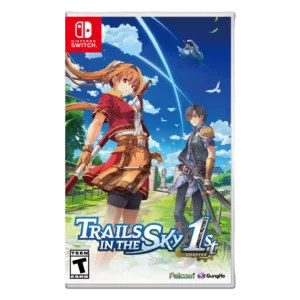
Art direction was praised for vibrant, expressive presentation and faithful anime-style modernization.
Pros: protagonist appeal, art direction
Cons: camera behavior, tutorial quality
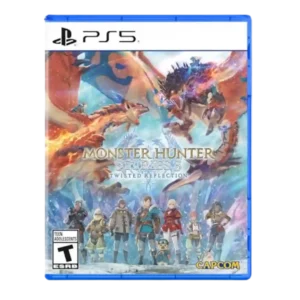
The stylized, colorful presentation is one of the game's clearest strengths, blending a more mature look with the charm of the Stories subseries.
Pros: puzzle design, level design
Cons: crash stability, multiplayer design
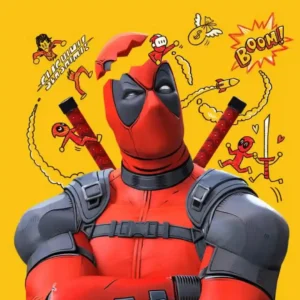
The cel-shaded comic-book presentation is one of the game's most celebrated qualities, with bold outlines, vibrant colors, and a look that feels naturally suited to Deadpool and Marvel.
Pros: lore depth, originality
Cons: AI behavior, character development
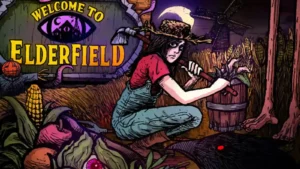
Hand-drawn horror illustrations, muted pixel art, manga influences, and cozy visual cues combine into a distinctive identity. The contrast between cute routine and grotesque imagery is consistently praised.
Pros: world interactivity, sandbox freedom
Cons: character diversity, character development
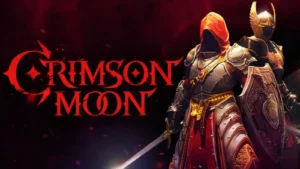
The Gothic, religious-fantasy art direction is one of the clearest strengths, with ornate cathedrals, striking armor, and a strong visual identity that often looks above its budget.
Pros: movement feel, pacing
Cons: economy and resource balance, onboarding experience
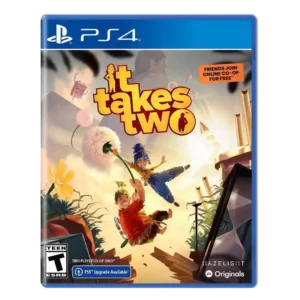
Art direction is widely praised as remarkable, gorgeous, imaginative, and strong enough to survive Switch visual compromises.
Pros: core gameplay loop, movement feel
Cons: character development, dialogue quality
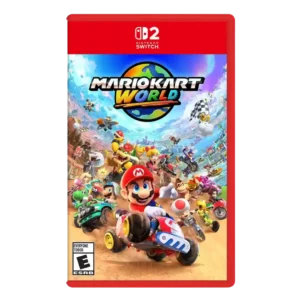
Art direction was strongly praised as stellar, charming, vibrant, and one of the game’s best aspects.
Pros: animation quality, sound design
Cons: difficulty balance, AI behavior
Reviewers consistently praise the grotesque Genma, corrupted Kyoto, historical architecture, and supernatural imagery. The aesthetic feels recognizably Onimusha while benefiting from much richer modern detail.
Pros: bug frequency, crash stability
Cons: economy and resource balance, open-world design
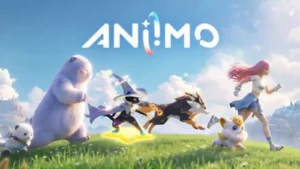
Aniimo’s strongest visual identity comes from its colorful world and distinctive creature designs, which are repeatedly described as lovely, creative, cute, and memorable.
Pros: level design, replay value
Cons: competitive balance, battle pass value
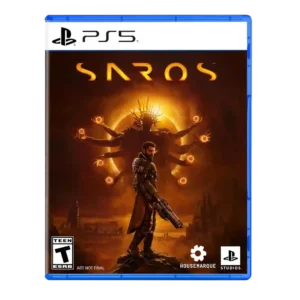
Art direction was a clear strength, with reviewers highlighting Carcosa’s strong, alien visual identity and memorable environmental design.
Pros: value for money, fun factor
Cons: map and navigation design, side character depth
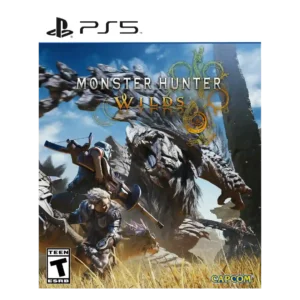
Art direction received strong praise, especially for armor and overall visual identity reaching a franchise high point.
Pros: art direction, cross-play support
Cons: dialogue quality, monetization fairness
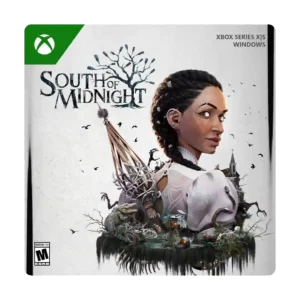
Art direction was one of the clearest strengths, repeatedly described as striking, gorgeous, phenomenal, or top-notch.
Pros: atmosphere, voice acting
Cons: world interactivity, camera behavior
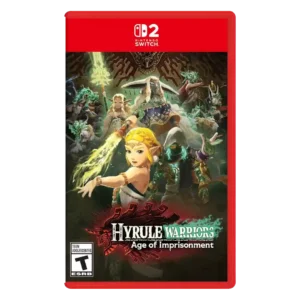
Art direction was a major positive, repeatedly tied to the Tears of the Kingdom aesthetic and strong visual mood.
Pros: animation quality, multiplayer design
Cons: save system reliability, companion AI
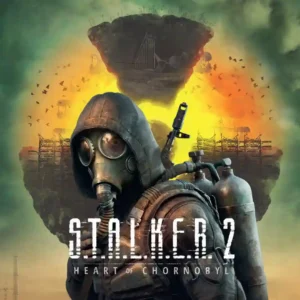
The decayed Soviet spaces, rewilded landscapes, and surreal anomalies give the Zone a striking visual identity. Its art direction consistently reinforces the game’s bleak, uncanny tone.
Pros: core gameplay loop, sandbox freedom
Cons: pacing, dialogue quality
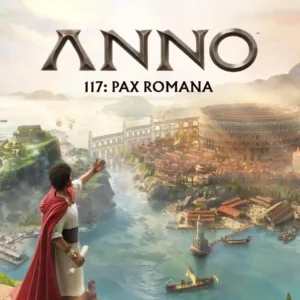
The Roman and Celtic art direction is a standout, pairing strong architecture with richly detailed islands and a distinctive historical look.
Pros: skill tree depth, upgrade system
Cons: matchmaking quality, server reliability
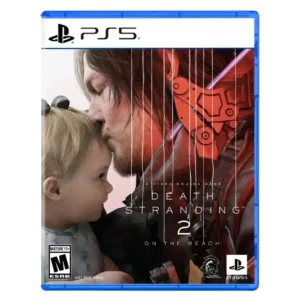
Art direction is strongly praised, especially the detailed vistas and rugged depiction of Australia.
Pros: animation quality, facial animations
Cons: quest design, AI behavior
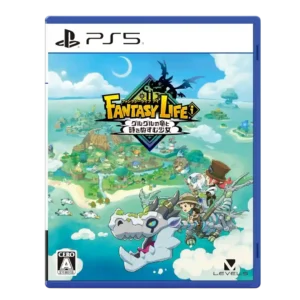
Art direction earns praise for retaining the series' charm and supporting a cozy, stylized identity.
Pros: load times, crash stability
Cons: originality, voice acting
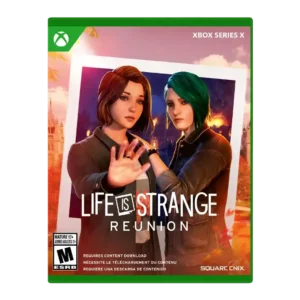
The warm autumn palette and lightly painterly presentation preserve the series’ distinctive visual identity while giving Caledon an inviting, bittersweet look.
Pros: level design, accessibility options
Cons: world-building, haptic feedback integration
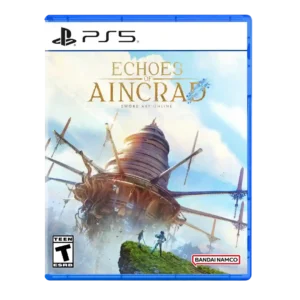
Art direction was highly praised for anime stylization and faithfulness to Sword Art Online's visual style.
Pros: environmental detail, art direction
Cons: world interactivity, loot system
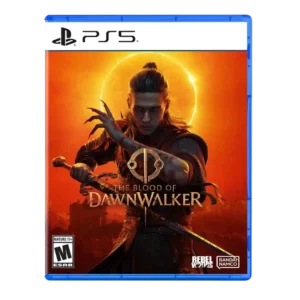
The visual style earns strong praise for its gothic, dark-fantasy identity. The art direction helps Vale Sangora feel distinctive even when technical presentation is inconsistent.
Pros: puzzle design, sound design
Cons: haptic feedback integration, controls responsiveness
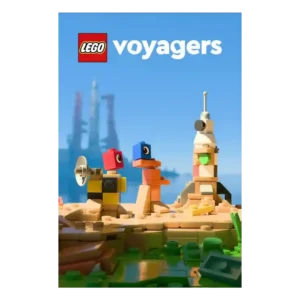
Art direction was consistently praised for authentic, realistic, warmly lit LEGO dioramas and strong visual identity.
Pros: writing quality, checkpoint system
Cons: menu usability, user interface design
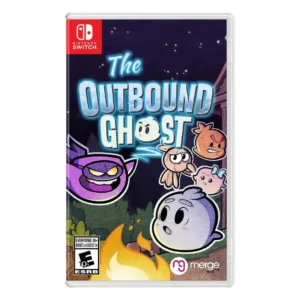
The papercraft characters, expressive designs, and colorful 3D environments are the most consistent source of praise. Even strongly negative reviews usually call the game charming, gorgeous, or visually distinctive.
Pros: progression system, onboarding experience
Cons: mission design, mission variety
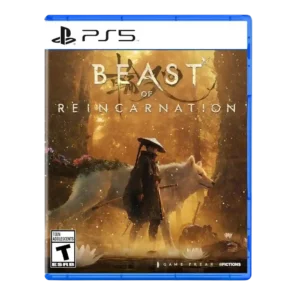
Overgrown concrete, plant-infested creatures, sci-fi ruins, and anime-inspired character design create a striking identity. The art direction balances beauty, melancholy, and horror particularly well.
Pros: soundtrack quality, value for money
Cons: onboarding experience, aiming precision