Best for channel width support
D-Link Aquila Pro AI R95
5.0 attribute score
Highest scored product for this attribute based on supporting review evidence.

Highest scored product for this attribute based on supporting review evidence.
Balances the attribute score, supporting reviews, and overall product strength.
Has the broadest review evidence for this attribute.
Strongest overall product among items with scored evidence for this attribute.

Overall: 4.8/5
Ultra-wide channels are credited with turning the Wi-Fi 7 specification into performance users can actually notice.
Pros: Wi-Fi 7 support, Wi-Fi speed

Overall: 4.5/5
Channel-width flexibility can improve throughput, especially at 160MHz, but the benefit depends on local interference. The missing 320MHz mode remains the larger limitation.
Pros: VPN client support, value for money
Cons: 6 GHz performance, USB storage sharing
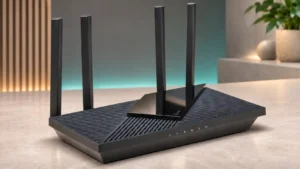
Overall: 4.0/5
Wider channels can raise local speeds substantially, but client support and channel availability affect results.
Pros: value for money, parental controls
Cons: subscription requirements, multi-gig Ethernet support
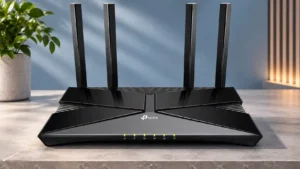
Overall: 3.7/5
Limited channel width reduces peak throughput potential, although gigabit Ethernet already imposes a ceiling.
Pros: Overall satisfaction, value for money
Cons: USB port support, 160 MHz support
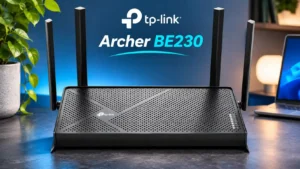
Overall: 4.1/5
Channel bandwidth tops out at 160 MHz rather than the wider 320 MHz available on full-featured Wi-Fi 7 routers.
Pros: value for money, Wi-Fi speed
Cons: 6 GHz performance, subscription requirements

Overall: 3.7/5
Channel width cannot be manually adjusted, limiting control over throughput and interference.
Pros: setup ease, value for money
Cons: Ethernet port count, Wi-Fi speed
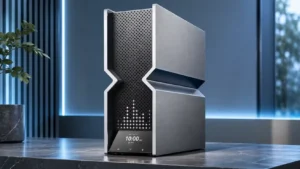
Overall: 4.1/5
The two 5GHz radios divide the available spectrum, making wide channels harder to accommodate.
Pros: wireless performance, Wi-Fi speed
Cons: value for money, size and footprint
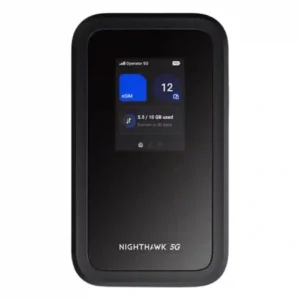
Overall: 4.1/5
The 80MHz maximum on 5GHz is a major technical constraint and directly limits local Wi-Fi throughput.
Pros: eSIM flexibility, cellular connectivity
Cons: interface responsiveness, Ethernet port count