
Overall: 3.6/5
World-building was a strength in reviews that praised scanning, Lamorn history, and the way environments explained Viewros.
Pros: boss design, graphics quality
Cons: open-world design, side character depth

Overall: 3.6/5
World-building was a strength in reviews that praised scanning, Lamorn history, and the way environments explained Viewros.
Pros: boss design, graphics quality
Cons: open-world design, side character depth

Overall: 4.5/5
Distinct regions, contextual conversations, and familiar places reshaped by conflict create a convincing mythological world. The witchcraft systems usually feel closely tied to that setting.
Pros: overall quality, combat system
Cons: pacing, grind level

Overall: 3.6/5
World-building was praised where reviewers felt the courses and regions fit together into a coherent interconnected continent.
Pros: content variety, soundtrack quality
Cons: open-world design, exploration quality
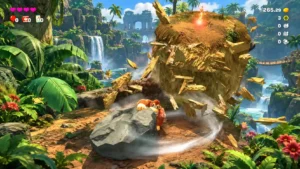
Overall: 4.4/5
Distinct underground communities and local themes make the impossible setting feel rich and playful. The layered journey provides a strong sense of place despite its deliberate absurdity.
Pros: overall quality, world interactivity
Cons: frame rate stability, boss design

Overall: 4.3/5
World-building was praised through Road Trip's cosmic tale spanning the Kirby universe.
Pros: battle mode quality, content variety
Cons: learning curve, competitive balance

Overall: 3.5/5
World-building was a strength for many reviewers, especially around Lumiose's civic tensions, coexistence themes, and wider Pokémon-world implications.
Pros: combat system, exploration quality
Cons: graphics quality, voice acting
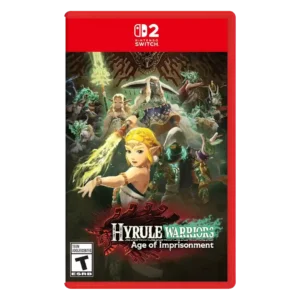
Overall: 4.1/5
World-building was mixed, praised as meaningful Zelda history while some reviews said ancient Hyrule felt insufficiently distinct.
Pros: combat system, character roster
Cons: level design, mission design