#1

Perk trees strongly reward experimentation and specialization, with meaningful bonuses across combat, magic, stealth, crafting, and social skills. Build planning remains one of the most satisfying long-term systems.
Pros: graphics quality, progression system
Cons: combat system, bug frequency
#2

Skill depth is praised in one detailed overview for stacking tactics with inherited passives to build stronger characters.
Pros: combat system, character roster
Cons: narrative quality, learning curve
#3

One strongly positive account finds the upgrade trees deep enough to support a complex, satisfying shooter build structure.
Pros: co-op experience, soundtrack quality
Cons: upgrade system, faithfulness to franchise
#4

Reviewers who discuss the stat maze like how route choices turn character growth into a small puzzle rather than a conventional list of nodes. It offers meaningful planning without becoming...
Pros: fun factor, originality
Cons: combat system, narrative quality
#5
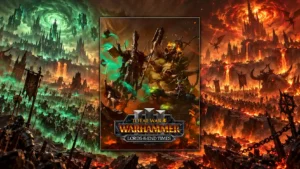
Nagash’s Black Pyramid is the standout progression tree, offering an enormous number of useful, branching upgrades. Its depth is exciting but can be intimidating.
Pros: gameplay mechanics, fun factor
Cons: AI behavior, polish
#6

Multiple skill trees, ability modifiers, and distinct companion options support varied builds. Early impressions suggest enough depth for melee, ranged, and Koo-focused playstyles.
Pros: combat system, companion AI
#7
Reviewer evidence is strongly positive: skill tree depth was repeatedly praised as a standout strength across 7 review(s).
Pros: combat system, graphics quality
Cons: controls responsiveness, narrative quality
#8

Skill trees earn praise for meaningful perks and challenge-based progression that gives builds structure.
Pros: fun factor, combat system
Cons: bug frequency, narrative quality
#9

One player particularly welcomes the absence of a skill tree or perk system. Keeping new combat tools tied to the story avoids an extra layer of complexity.
Pros: faithfulness to franchise, narrative quality
Cons: combat system, boss design
#10
Weapon skill progression was praised for unlocking compelling abilities that made grinding feel worthwhile.
Pros: combat system, companion AI
Cons: open-world design, movement feel
#11

The reduced fifteen-skill structure remains flexible and meaningful, supporting distinct builds without feeling shallow.
Pros: narrative quality, writing quality
Cons: pacing, bug frequency
#12
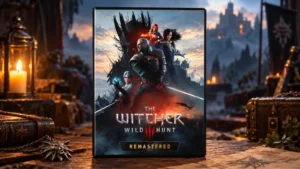
The redesigned branches offer earlier access to interesting combinations and make different schools and builds easier to develop, though the limited active slots remain.
Pros: graphics quality, value for money
Cons: performance optimization, frame rate stability
#13

Arte and combo customization gives combat meaningful flexibility, letting players experiment with large move sets and different strings.
Pros: narrative quality, combat system
Cons: remake/remaster quality, value for money
#14
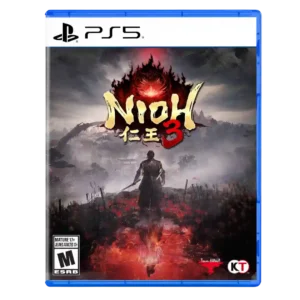
Skill trees were praised for depth and hidden unlocks, though some reviewers felt the system could be overwhelming at first.
Pros: combat system, open-world design
Cons: narrative quality, performance optimization
#15

The expansive Aircraft Tree offers a broad route through planes, weapons, and upgrades while still asking players to plan toward desired aircraft.
Pros: narrative quality, fun factor
Cons: dialogue quality, difficulty balance
#16

The absence of traditional skill trees leaves specialization entirely to equipment, trading granular advancement for instant accessibility.
Pros: open-world design, graphics quality
Cons: narrative quality, endgame content
#17
There are many skills and passives with room for build experimentation, though some options feel redundant while others meaningfully reshape play.
Pros: combat system, originality
Cons: overall quality, narrative quality
#18

Skill-tree depth was mixed, from exhaustive and satisfying to more of a limited trunk than a deep build system.
Pros: narrative quality, combat system
Cons: side character depth, dialogue quality
#19

There is substantial build freedom across weapons, roles, attributes, talents, and companion trees. That depth is rewarding for tinkerers but can become confusing or overly specialized for others.
Pros: narrative quality, side character depth
Cons: combat system, polish
#20
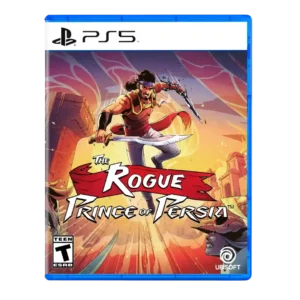
Skill trees were mixed: some appreciated meaningful progression and freedom, while others found the upgrades incremental or unexciting.
Pros: combat system, movement feel
Cons: narrative quality, difficulty balance
#21

Active and passive character options add useful build variety, though limited talent slots in beta could feel unnecessarily restrictive.
Pros: fun factor, gameplay mechanics
Cons: monetization fairness, menu usability
#22
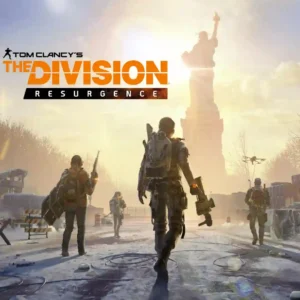
Specialization talents add useful choices, but the trees are less extensive than those in the PC and console games.
Pros: content variety, controls responsiveness
Cons: narrative quality, menu usability
#23

The skill tree supports multiple builds and can be satisfying to optimize, yet several critics find its apparent depth overstated or its upgrades less transformative than the sprawling layout suggests.
Pros: combat system, narrative quality
Cons: boss design, map and navigation design
#24

Skill trees can meaningfully reshape class abilities and support different builds, but some reviewers find parts of the trees shallow, stat-heavy, or uninspired.
Pros: fun factor, combat system
Cons: mission variety, progression system
#25

The skill tree eventually unlocks satisfying options, but basic upgrades and slow access to key moves limit the sense of depth.
Pros: fun factor, combat system
Cons: originality, level design
#26

Skill trees provide useful build direction but can feel shallow or overly linear. The wider party-synergy systems create more depth than the individual trees themselves.
Pros: combat system, fun factor
Cons: difficulty balance, pacing
#27
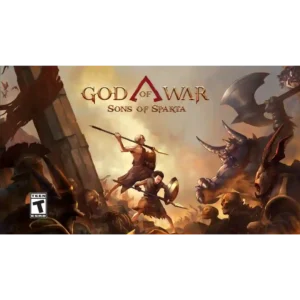
Skill-tree opinions are mixed: some enjoy light build personalization, while others see mostly small stat bumps and shallow branches that are easy to ignore.
Pros: boss design, exploration quality
Cons: combat system, narrative quality
#28
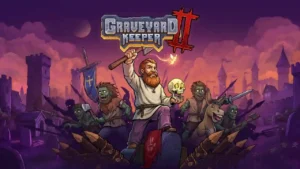
The tech and skill trees offer substantial breadth, with many recipes, perks, and upgrades to unlock. That depth can also become hard to parse, and one critic felt the menu-heavy...
Pros: fun factor, core gameplay loop
Cons: grind level, learning curve
#29

Skill progression is easy to understand but can feel shallow or too quickly completed, especially in the shorter Dark Ties campaign.
Pros: fun factor, combat system
Cons: pacing, battle mode quality
#30

The three skill paths offer useful powers but mixed buildcraft depth. Specializing between swordplay, magic, and vampirism can be rewarding, yet the trees can also feel shallow or constrained.
Pros: combat system, fun factor
Cons: content variety, polish
#31

The skill tree adds parries, dodges, combo extensions, and stat boosts, but most reviewers consider it shallow or poorly explained. A few specific unlocks are powerful and genuinely improve combat.
Pros: graphics quality, environmental detail
Cons: combat system, polish
#32

Potion progression feels overly restrictive to one returning player because basic capacity must be slowly unlocked through a skill tree.
Pros: core gameplay loop, difficulty balance
Cons: narrative quality, load times
#33
One critical review argues that some late skill upgrades feel more like delayed quality-of-life fixes than genuinely meaningful progression choices.
Pros: combat system, fun factor
Cons: pacing, open-world design
#34
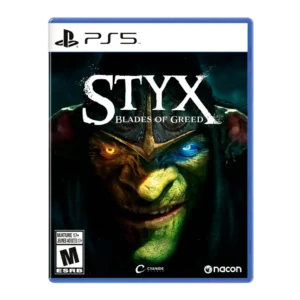
The skill-tree depth is less convincing for players who settle on a narrow stealth style, because branches tied to unused powers can feel largely pointless.
Pros: fun factor, stealth mechanics
Cons: polish, combat system
#35

One source finds the skill tree shallow and boring, with too much emphasis on straightforward stat increases.
Pros: fun factor, faithfulness to franchise
Cons: combat system, game length
