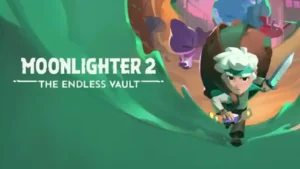
Branching dungeon routes create meaningful tradeoffs, with temporary disadvantages and reward choices making path selection feel consequential.
Pros: core gameplay loop, difficulty balance
Cons: narrative quality, load times

Branching dungeon routes create meaningful tradeoffs, with temporary disadvantages and reward choices making path selection feel consequential.
Pros: core gameplay loop, difficulty balance
Cons: narrative quality, load times
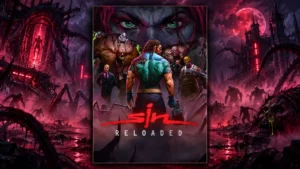
Alternate routes, optional objectives, and mission outcomes can alter later levels or unlock bonus content, giving player decisions unusually tangible consequences for a 1990s shooter.
Pros: remake/remaster quality, overall quality
Cons: level design, map and navigation design
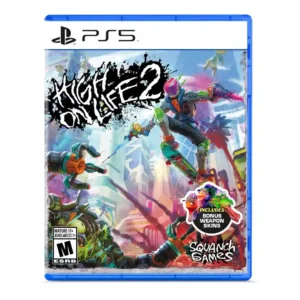
Optional conversations and side decisions can affect the epilogue and finale, making choices feel more consequential than in the original.
Pros: writing quality, fun factor
Cons: bug frequency, combat system
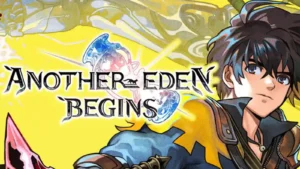
New Game+ and its many endings give choices meaningful consequences, with decisions affecting relationships and narrative branches rather than only changing a final cutscene.
Pros: combat system, fun factor
Cons: difficulty balance, pacing
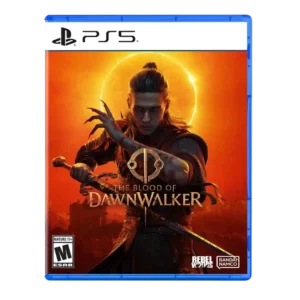
Choices meaningfully reshape quests, relationships, available characters, outcomes, and sometimes entire storylines. The game is unusually willing to let inaction, failure, or vampiric hunger produce lasting consequences.
Pros: combat system, fun factor
Cons: content variety, polish
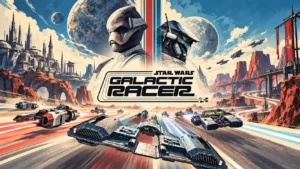
Routes, event risks, and vehicle parts give many players the sense that every decision matters. Converging paths reduce that freedom for one account, but the general appeal is balancing safer...
Pros: fun factor, overall quality
Cons: difficulty balance, pacing
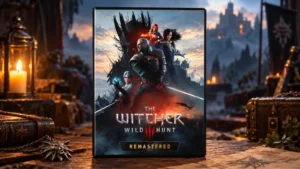
Quests continue to deliver memorable moral dilemmas and unexpected consequences, reinforcing the game’s reputation for meaningful player decisions.
Pros: graphics quality, value for money
Cons: performance optimization, frame rate stability

Route decisions constantly shape the climb, and later narrative choices can lead to different endings; reviewers especially like how personal each ascent can feel.
Pros: narrative quality, emotional impact
Cons: difficulty balance, gameplay mechanics
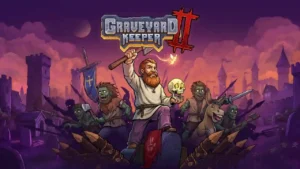
Perk decisions for zombie helpers matter because their limited slots make the right selections important. Those choices give progression decisions more weight than simple linear upgrades.
Pros: fun factor, core gameplay loop
Cons: grind level, learning curve
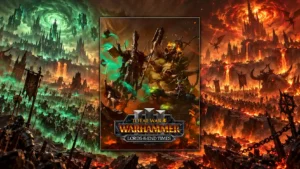
Thanquol’s schemes and narrative pop-ups make decisions feel consequential, with plans able to pay off, backfire, or reshape the next move.
Pros: gameplay mechanics, fun factor
Cons: AI behavior, polish
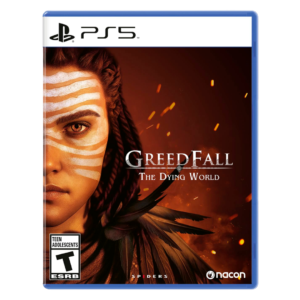
Faction standing, companion loyalty, quest resolutions, and the ending can respond meaningfully to decisions. The freedom is not absolute, though, and some major narrative situations feel more constrained than the...
Pros: narrative quality, side character depth
Cons: combat system, polish
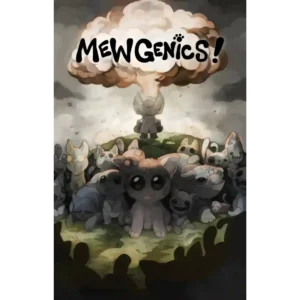
Runs are full of meaningful risk-reward calls, from pushing into another zone to protecting valuable cats and gear. Random events can sometimes undermine that agency, but the best moments make...
Pros: combat system, soundtrack quality
Cons: difficulty balance, learning curve
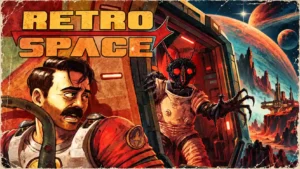
Different approaches and mutation choices can matter to how you tackle the station. Alternative endings add appeal, while potentially undesirable build consequences make commitment a tradeoff.
Pros: overall quality, art direction
Cons: map and navigation design, difficulty balance

Choices matter most in MyRise, where face and heel paths encourage replay, while pre-match interactions let players set the tone and create small match stories.
Pros: fun factor, gameplay mechanics
Cons: grind level, value for money
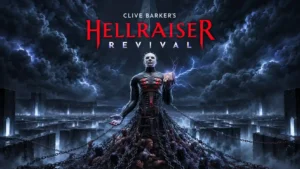
Rejecting the offer makes the ending feel more hopeful in one account. The choice matters emotionally, although that assessment does not establish a broad branching campaign.
Pros: faithfulness to franchise, narrative quality
Cons: combat system, boss design
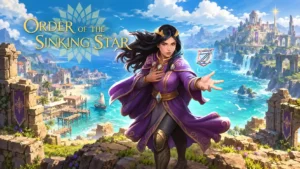
A demo-based account welcomes the stated influence of play order on how the story unfolds, while leaving the full payoff untested.
Pros: overall quality, puzzle design
Cons: narrative quality, difficulty balance
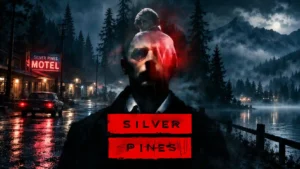
The late investigative choice feels earned because the mystery has developed throughout the journey rather than appearing only at the finale.
Pros: overall quality, atmosphere
Cons: boss design, movement feel

Switching among four heroes and following branching paths gives player choices meaningful structural weight, even when the consequences are initially unclear.
Pros: narrative quality, fun factor
Cons: grind level, learning curve
Time-travel decisions can alter character outcomes, world states, and endings, giving choices real narrative payoff even when some environmental consequences feel minor in gameplay.
Pros: fun factor, narrative quality
Cons: boss design, exploration quality

Choice consequences divide opinion sharply. Some paths, clues, and failures can alter endings or character fates, while other decisions feel obvious, performative, or vulnerable to later retconning.
Pros: emotional impact, choice impact
Cons: narrative quality, bug frequency

Dialogue and financial decisions can change relationships, quest outcomes, and access to help. Others find too many actions inconsequential or too little branching beyond the immediate response.
Pros: overall quality, shopkeeping system
Cons: performance optimization, pacing
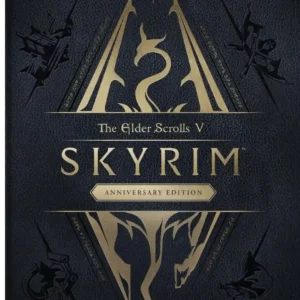
Faction choices and individual quests can alter outcomes, but the main narrative often absorbs very different role-playing behavior without much consequence. The freedom to act is stronger than the long-term...
Pros: graphics quality, progression system
Cons: combat system, bug frequency
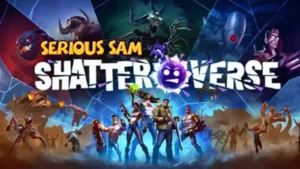
Build choices can sometimes adapt a run meaningfully, but many perks are incremental enough that they barely change how a run plays.
Pros: co-op experience, soundtrack quality
Cons: upgrade system, faithfulness to franchise

The campaign is highly linear; changing tactics or kills rarely changes the larger outcome of Michael’s story.
Pros: fun factor, multiplayer design
Cons: bug frequency, AI behavior
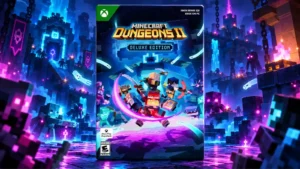
Exploring new areas is rewarding, but player actions do not meaningfully reshape the world despite its broader open-world structure.
Pros: open-world design, graphics quality
Cons: narrative quality, endgame content

Be a Pro's leadership focus can restrict role-playing, making it harder to shape a player around alternate identities such as an enforcer.
Pros: atmosphere, gameplay mechanics
Cons: AI behavior, commentary quality
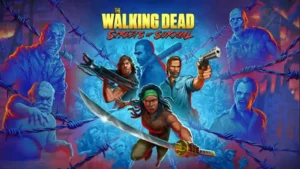
A mid-campaign mission choice does not affect later missions, which makes the branching structure feel like a missed opportunity.
Pros: fun factor, faithfulness to franchise
Cons: combat system, game length

The dynamic draft board loses much of its meaning because players can still choose their destination, undermining the sense that performance-driven choices matter.
Pros: gameplay mechanics, fun factor
Cons: microtransaction impact, animation quality
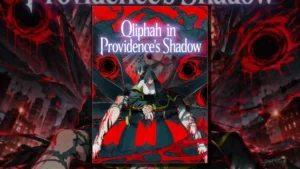
The lack of branching routes limits how much the story can meaningfully diverge and reduces reasons to revisit the campaign for alternate outcomes.
Pros: combat system, originality
Cons: overall quality, narrative quality
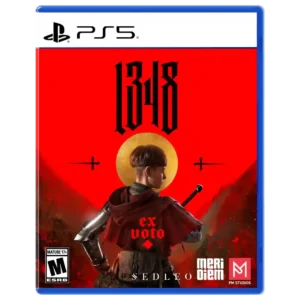
The few apparent choices near the ending have little weight; two reviewers specifically say the final outcome is unchanged even when the player refuses the prompted action.
Pros: graphics quality, environmental detail
Cons: combat system, polish