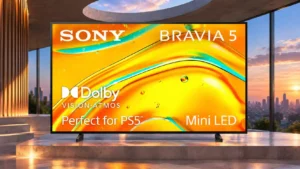
The XR chip is the product's defining strength, making film motion, colors and weaker sources look notably polished.
Pros: picture quality, black levels
Cons: HDR brightness, value for money

The XR chip is the product's defining strength, making film motion, colors and weaker sources look notably polished.
Pros: picture quality, black levels
Cons: HDR brightness, value for money
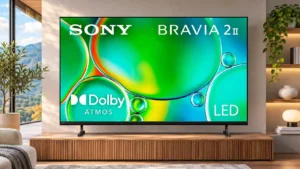
Sony's natural-looking image tuning, compression cleanup and detail recovery are the strongest reasons to consider this entry-level set.
Pros: picture quality, overall satisfaction
Cons: sound quality, reliability
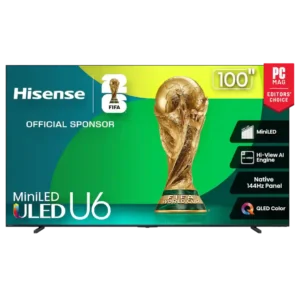
Image processing earns unusually strong praise, particularly for AI super-resolution, contrast enhancement, and its ability to keep bright presets from falling apart. The processing is treated as a meaningful advantage...
Pros: overall satisfaction, value for money
Cons: smart TV platform, blooming control
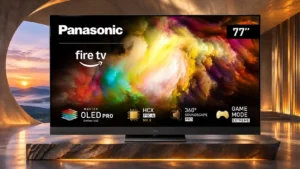
Upscaling and cleanup help older shows and rough streams look impressively clear without losing natural texture.
Pros: overall satisfaction, picture quality
Cons: size options, value for money
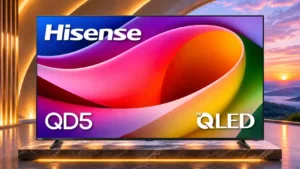
AI upscaling drew enthusiastic praise for making older shows and games look cleaner.
Pros: overall satisfaction, picture quality
Cons: Weight and handling, black levels
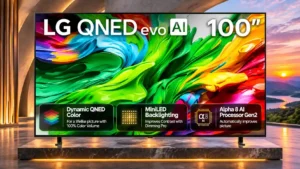
Vibrant color and crisp-looking imagery are appealing during normal viewing, though the processing claims have not all been confirmed by detailed testing.
Pros: picture quality, maximum volume
Cons: sound quality, bass performance

Sony’s XR processing is repeatedly singled out as class-leading, producing clean, natural, dimensional images and especially strong low-quality-source cleanup.
Pros: gaming performance, peak brightness
Cons: HDMI 2.1 support, HDMI 2.1 port count

Image processing has improved and AI controls can add depth and clarity, but results vary and some reviewers still prefer more expensive processors.
Pros: overall satisfaction, picture quality
Cons: reliability, build quality
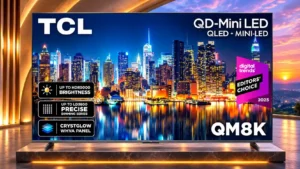
Picture processing gives sports, streaming, and high-quality films impressive scale, but motion and fine detail are not equally polished in every mode.
Pros: peak brightness, picture quality
Cons: HDMI 2.1 port count, reflection handling
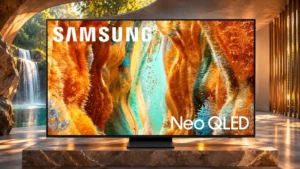
Samsung's processing can sharpen cleaner content and control noise, but it does not consistently rescue rough sources or match more expensive sets.
Pros: picture quality, 4K at 144 Hz support
Cons: sound quality, value for money
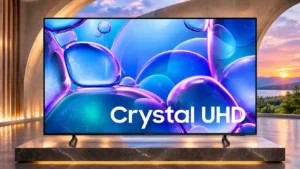
Basic scaling and stream cleanup are serviceable; more difficult feeds still expose compression artifacts and softness.
Pros: picture quality, smart TV platform
Cons: value for money, refresh rate
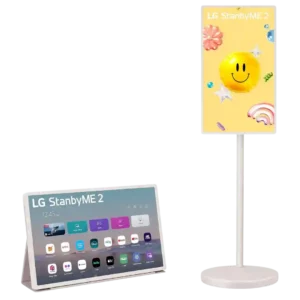
LG’s processing features can refine the picture, but the measured benefit is limited by the underlying edge-lit LCD. Dynamic Tone Mapping in particular was described as modest in practice.
Pros: overall satisfaction, portability and versatility
Cons: value for money, menu responsiveness
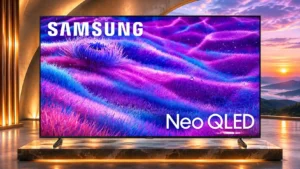
Huge 4K image looks a little soft up close.
Pros: Large-screen immersion, overall satisfaction
Cons: value for money, black levels
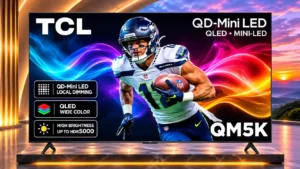
The TV can render impressive fine detail, but sharpening may look exaggerated and processing becomes less persuasive with poor sources.
Pros: black levels, picture quality
Cons: HDR performance, blooming control
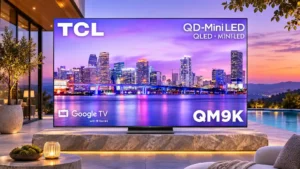
The processor produces excellent-looking high-quality video, but enhancement settings sometimes introduce artifacts or handle brightness inconsistently.
Pros: peak brightness, overall satisfaction
Cons: value for money, shadow detail