Best for color gamut
TCL QM7L Pro
5.0 attribute score
Highest scored product for this attribute based on supporting review evidence.

Highest scored product for this attribute based on supporting review evidence.
Balances the attribute score, supporting reviews, and overall product strength.
Has the broadest review evidence for this attribute.
Strongest overall product among items with scored evidence for this attribute.
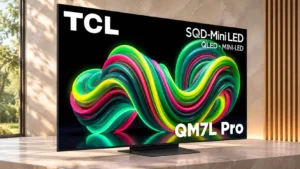
The in-store picture looks notably vibrant and colorful, an immediate part of its visual appeal.
Pros: picture quality, black levels
Cons: viewing angles, motion clarity
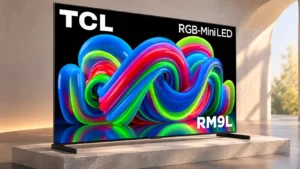
The RGB backlight covers an exceptionally broad range of color, producing vivid reds, greens, and fine variations that standard televisions struggle to match.
Pros: picture quality, overall satisfaction
Cons: color crosstalk, value for money
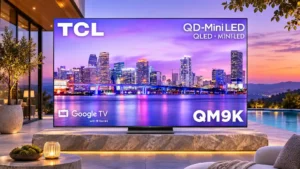
A wide HDR color range makes animation and brightly lit landscapes especially vivid, though the most extreme hues do not always match reference targets.
Pros: peak brightness, overall satisfaction
Cons: value for money, shadow detail
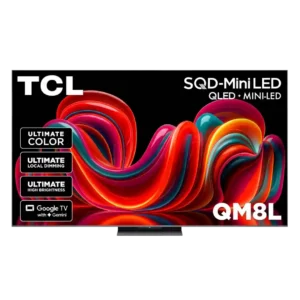
Wide-gamut coverage approaches premium RGB LED and OLED competitors, with especially strong P3 performance. Claims of complete BT.2020 coverage were not consistently matched in measurements.
Pros: picture quality, value for money
Cons: stand quality, judder handling
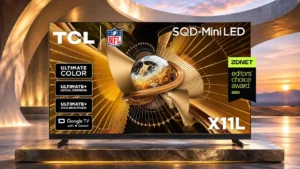
The wide BT.2020 color coverage is unusually strong for an LCD, producing richly saturated reds and greens. Not every test reaches TCL’s full-coverage claim, and much current content uses a...
Pros: peak brightness, blooming control
Cons: value for money, motion clarity
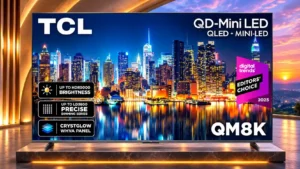
Wide color coverage contributes to bold, lifelike HDR images and vivid animation. Accuracy is a separate question and may require choosing the right mode.
Pros: peak brightness, picture quality
Cons: HDMI 2.1 port count, reflection handling
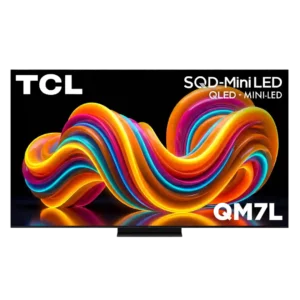
Measured BT.2020 results ranged from about 79% to nearly 98%, which most considered excellent for the class. One critic strongly objected to the gap between measured coverage and TCL's 100%...
Pros: peak brightness, picture quality
Cons: color accuracy, viewing angles
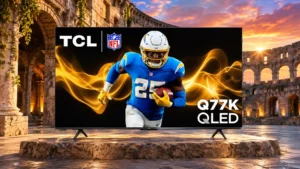
Cartoons and everyday SDR scenes can look lively, but the limited HDR color range prevents deeply saturated highlights from looking rich.
Pros: picture quality, value for money
Cons: viewing angles, HDR performance
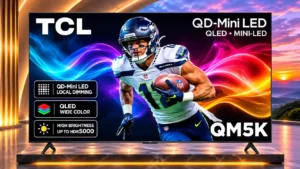
Color coverage is serviceable rather than expansive, with saturated greens and reds showing limitations in demanding material.
Pros: black levels, picture quality
Cons: HDR performance, blooming control
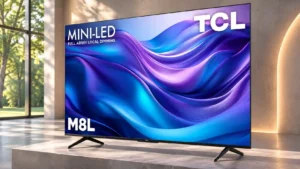
Limited wide-color coverage leaves some saturated reds and greens weak, with outdoor greenery looking noticeably dull.
Pros: value for money, overall satisfaction
Cons: HDR brightness