Best for sleep tracking accuracy
Garmin Instinct Crossover AMOLED
4.8 attribute score
Highest scored product for this attribute based on supporting review evidence.

Highest scored product for this attribute based on supporting review evidence.
Balances the attribute score, supporting reviews, and overall product strength.
Has the broadest review evidence for this attribute.
Strongest overall product among items with scored evidence for this attribute.
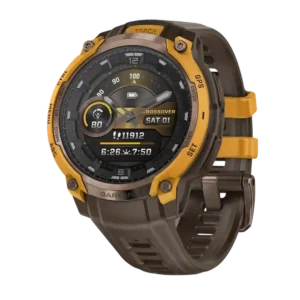
Sleep tracking was considered genuinely useful and, in one field review, spot-on.
Pros: style and design, flashlight usefulness
Cons: value for money, mapping and navigation
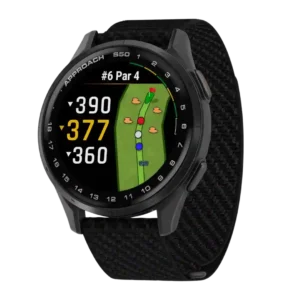
Sleep tracking was praised for detailed, useful scoring and for being comfortable enough to wear overnight.
Pros: value for money, comfort
Cons: fit, band quality

Sleep tracking earns strong marks overall, especially for wake/sleep timing and presentation, though one reviewer wanted more refinement in stages.
Pros: battery life, GPS accuracy
Cons: onboard music storage, mapping and navigation
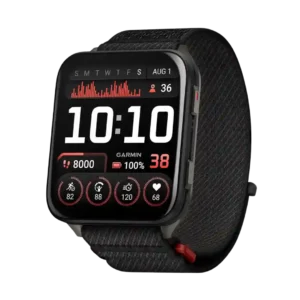
Sleep tracking benefited from the watch’s comfort, with reviewers describing overnight wear as practical and sleep tracking reliable or excellent.
Pros: display quality, comfort
Cons: battery life, value for money
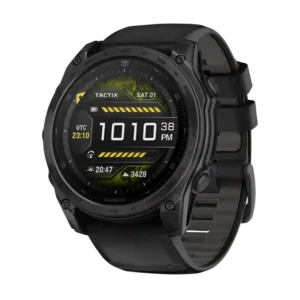
Sleep tracking drew positive confidence from reviewers, who said its patterns matched experience or improved over the prior generation.
Pros: battery life, durability
Cons: value for money, band quality
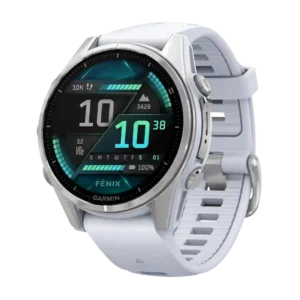
Sleep tracking was positively judged for accurately capturing sleep and wake times and matching day-to-day energy impressions.
Pros: battery life, GPS accuracy
Cons: value for money, call handling
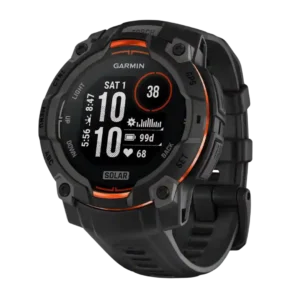
Sleep tracking accuracy has limited but positive support, with sleep and wake times correctly recorded in one detailed test.
Pros: battery life, display quality
Cons: mapping and navigation, smartwatch features
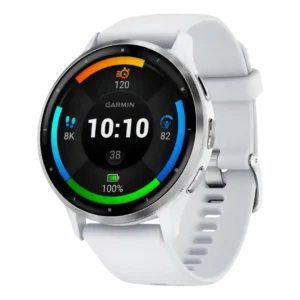
Sleep tracking is broadly praised for detailed sleep reports, nap detection, and useful coaching, though a few reviewers noted stage-estimation limits or occasional false sleep detection.
Pros: battery life, GPS accuracy
Cons: smartwatch features, smartphone notifications

Sleep duration, bedtime, wake time, naps, and overall scores are generally useful and reasonably accurate. Sleep-stage breakdowns can still confuse light sleep with awake time.
Pros: battery life, value for money
Cons: mapping and navigation, smartwatch features
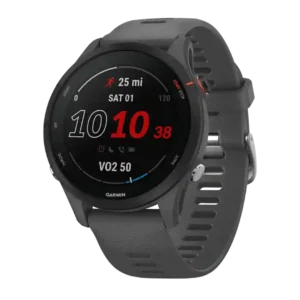
Sleep tracking was generally considered improved and useful, with several reviewers saying sleep times matched reference devices, though some still saw overestimation or limits.
Pros: GPS accuracy, battery life
Cons: smartphone notifications, mapping and navigation
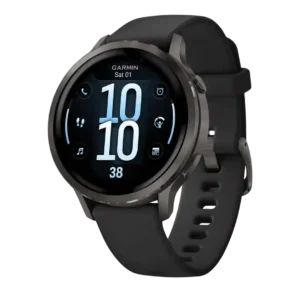
Sleep tracking was considered useful and often aligned with competing trackers, but reviewers also found occasional errors around awake time, sleep stages, or scoring strictness.
Pros: battery life, GPS accuracy
Cons: value for money, voice assistant quality
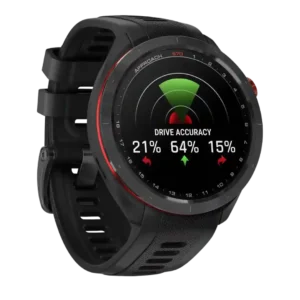
Sleep tracking is generally treated as interesting or strong, though one reviewer questioned how beneficial its daily sleep-quality warnings are.
Pros: display quality, value for money
Cons: charging convenience, smartphone notifications
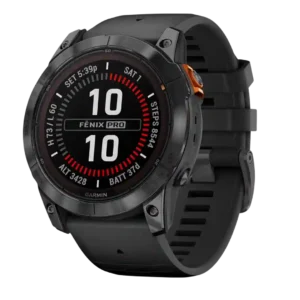
Sleep tracking accuracy was mixed, with praise for sleep-time accuracy and usefulness but one report of false nap detection.
Pros: battery life, mapping and navigation
Cons: value for money, score tracking
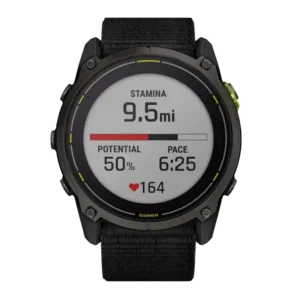
Sleep tracking was described as solid, though comfort and size may limit how many users want to wear it overnight.
Pros: battery life, value for money
Cons: smartwatch features, size options

Sleep tracking has improved enough to broadly match an Oura Ring on sleep duration, bedtime, and key stages on most nights, though Garmin’s history here was acknowledged as weaker.
Pros: value for money, GPS accuracy
Cons: mapping and navigation, third-party app support
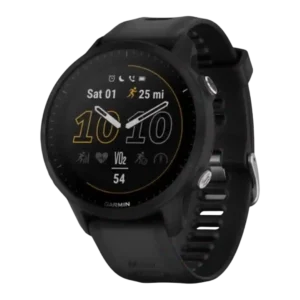
Sleep tracking was mixed: several reviewers found bed and wake times accurate, while others warned wrist-only sleep data can be unreliable.
Pros: GPS accuracy, battery life
Cons: onboard music storage, charging convenience
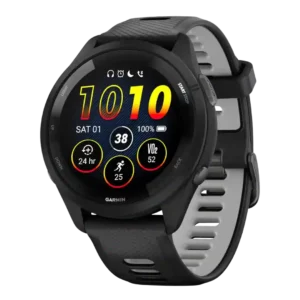
Sleep tracking drew mixed-to-positive feedback: several reviewers liked the sleep summaries, while one found sleep stages and scores inconsistent across Garmin watches.
Pros: battery life, value for money
Cons: mapping and navigation, smartwatch features
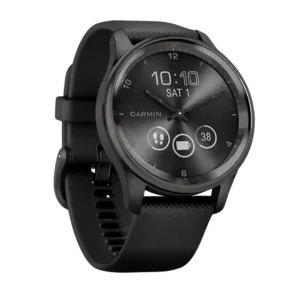
Sleep tracking received generally favorable comments for sleep and wake times or overall sleep time, but reviewers also flagged stage accuracy, occasional overcounting, and comparison discrepancies.
Pros: style and design, charging convenience
Cons: battery life, charging speed
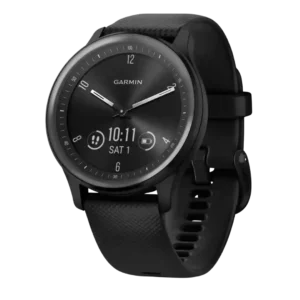
Sleep tracking ranged from decent to excellent, with several reviewers finding it reflected sleep well, while others found digestibility issues or overcounted sleep duration.
Pros: value for money, style and design
Cons: battery life, display quality
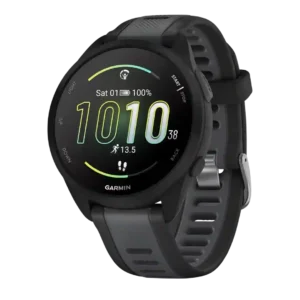
Sleep tracking was mostly viewed as useful and directionally accurate, though one reviewer reported a poor night that the watch missed.
Pros: value for money, GPS accuracy
Cons: recovery insights, onboard music storage
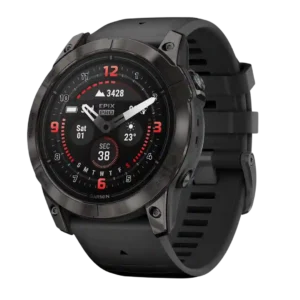
Sleep tracking accuracy is mixed: several reviewers trusted it more than before, while others saw overestimation or imperfect long-term capture.
Pros: battery life, GPS accuracy
Cons: user interface, fit
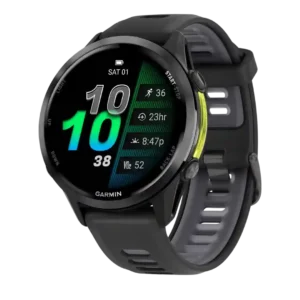
Sleep tracking was viewed as useful but imperfect: reviewers praised sleep timing or overall sleep ratings while noting uncertain stages, missed wakeful moments, or bulky overnight wear.
Pros: heart rate accuracy, GPS accuracy
Cons: battery life, value for money
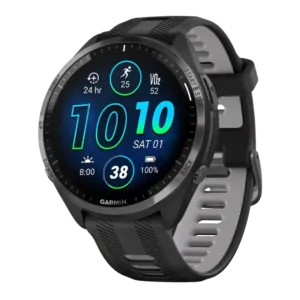
Sleep tracking was mixed: several reviewers found it excellent or improved, while others criticized sleep phases or felt results were off.
Pros: battery life, GPS accuracy
Cons: smartwatch features, charging convenience
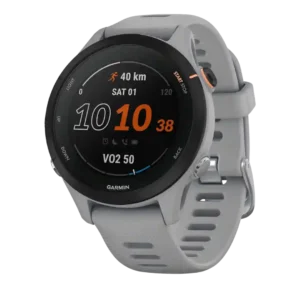
Sleep tracking was useful and often close enough for general use, but reviewers noted it was less detailed or less sensitive than dedicated sleep-focused devices.
Pros: value for money, battery life
Cons: menu navigation, user interface
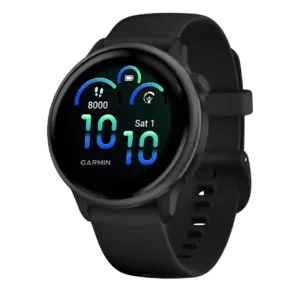
Sleep tracking is useful for broad sleep reports, but accuracy is uneven: some reviewers found it good, while others reported overreporting, missed sleep periods, or unreliable sleep-stage data.
Pros: battery life, comfort
Cons: heart rate accuracy, sleep tracking accuracy
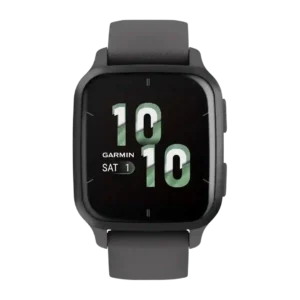
Sleep tracking was useful but mixed: some reviewers found timing accurate, while others reported missed secondary sleep, over-reported duration, or uncertainty versus other devices.
Pros: battery life, display quality
Cons: smartwatch features, style and design
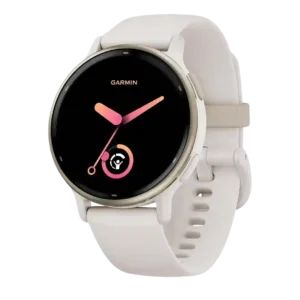
Sleep tracking was highly mixed: some reviewers found sleep and nap tracking accurate, while others reported stage or duration problems.
Pros: value for money, GPS accuracy
Cons: sleep tracking accuracy, recovery insights
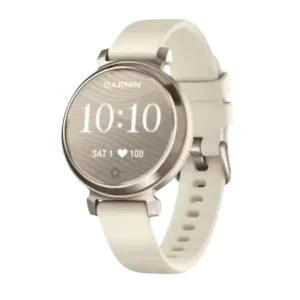
Sleep tracking is mixed: some reviewers found it aligned well, while others saw inaccurate sleep duration or not enough detail.
Pros: battery life, style and design
Cons: sleep tracking accuracy, workout tracking variety
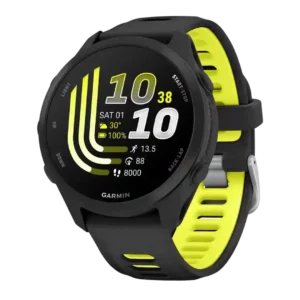
Sleep tracking produced conflicting results: one tester found it close to trusted wearables, while another found REM and deep-sleep estimates inaccurate.
Pros: value for money, battery life
Cons: mapping and navigation, materials quality
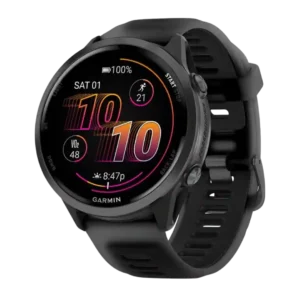
Sleep tracking accuracy was mixed: some found it reasonably accurate, while others found it less robust or weak at REM-stage tracking.
Pros: heart rate accuracy, GPS accuracy
Cons: value for money, mapping and navigation
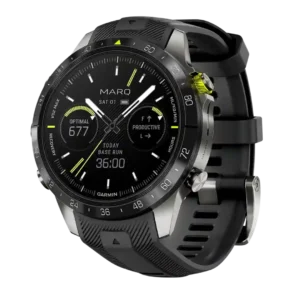
Sleep timing was praised by one reviewer as spot-on, but another reported frequent time-asleep mistakes that could skew readiness metrics.
Pros: display quality, battery life
Cons: value for money, smartphone notifications
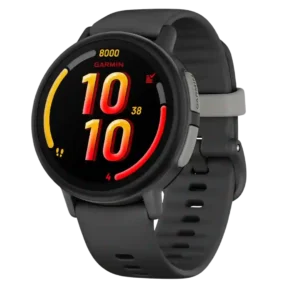
Movement-only sleep tracking provides a rough estimate rather than dependable health data. It is better treated as a basic habit indicator than a diagnostic tool.
Pros: smartwatch features, safety features
Cons: value for money, call handling
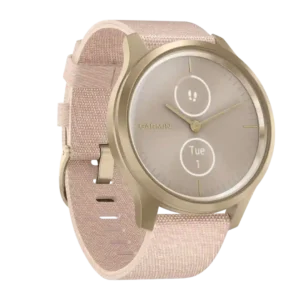
Sleep tracking was described as fun and able to detect sleep/wake timing, but the reviewer questioned its accuracy and insight.
Pros: style and design, battery life
Cons: touchscreen responsiveness, display quality