Best for battery life
Garmin Approach S70
4.9 attribute score
Highest scored product for this attribute based on supporting review evidence.

Highest scored product for this attribute based on supporting review evidence.
Balances the attribute score, supporting reviews, and overall product strength.
Has the broadest review evidence for this attribute.
Strongest overall product among items with scored evidence for this attribute.
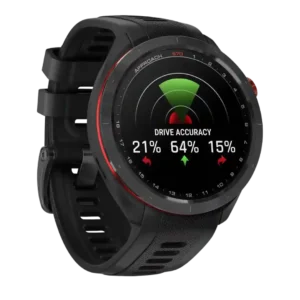
Battery life is one of the strongest consensus wins, with reviewers reporting multi-day or multi-round use and very little drain.
Pros: display quality, value for money
Cons: charging convenience, smartphone notifications
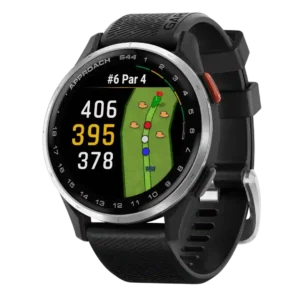
Battery life was strongly praised, with reviewers calling it fabulous or impressive and reporting multi-round use or 10-day everyday endurance.
Pros: display quality, value for money
Cons: smartwatch features, coaching features
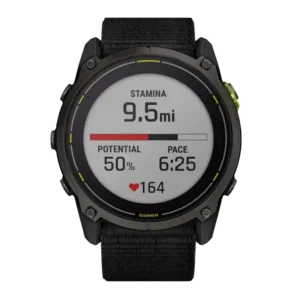
Battery life was the strongest consensus point, with reviewers repeatedly describing weeks of use and endurance-event confidence.
Pros: battery life, value for money
Cons: smartwatch features, size options

Battery life is strongly praised, often beating or matching expectations and lasting around a week or more in real use.
Pros: battery life, GPS accuracy
Cons: onboard music storage, mapping and navigation
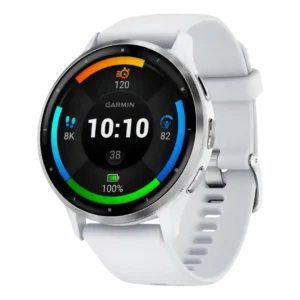
Battery life is the clearest consensus strength, with reviewers repeatedly reporting multi-day to week-plus endurance and far less charging anxiety than typical smartwatches.
Pros: battery life, GPS accuracy
Cons: smartwatch features, smartphone notifications
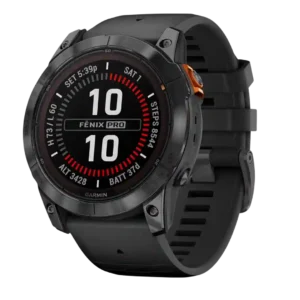
Battery life was one of the strongest themes, often called superb or expectation-beating, though one long-term backcountry reviewer found real-world life below the advertised claim.
Pros: battery life, mapping and navigation
Cons: value for money, score tracking
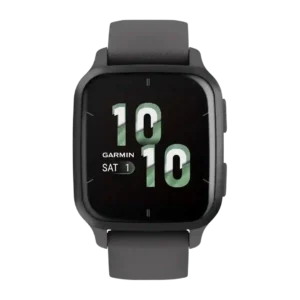
Battery life was the strongest consensus attribute, with reviewers repeatedly reporting multi-day to roughly week-plus use and strong performance versus rivals.
Pros: battery life, display quality
Cons: smartwatch features, style and design
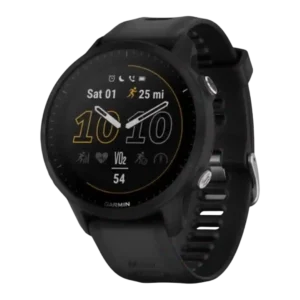
Battery life was one of the strongest attributes, with reviewers reporting long smartwatch runtimes, solid GPS endurance, and week-plus real-world use.
Pros: GPS accuracy, battery life
Cons: onboard music storage, charging convenience
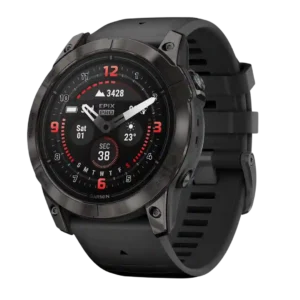
Battery life is a major consensus strength, with reviewers repeatedly reporting multi-day to multi-week use and calling it impressive.
Pros: battery life, GPS accuracy
Cons: user interface, fit
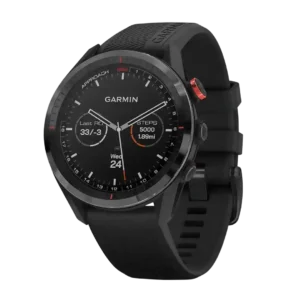
Battery life was one of the clearest strengths, with repeated praise for multiple rounds, long GPS use, and minimal charging needs.
Pros: mapping and navigation, value for money
Cons: coaching features, smartphone notifications
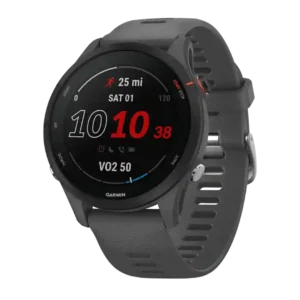
Battery life was a strong consensus positive, often lasting a week or more and improving greatly over older models.
Pros: GPS accuracy, battery life
Cons: smartphone notifications, mapping and navigation
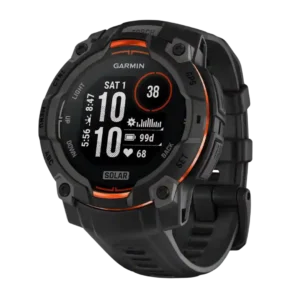
Battery life is one of the strongest consensus positives: AMOLED models last for weeks, and Solar testing produced exceptionally long outdoor runtimes.
Pros: battery life, display quality
Cons: mapping and navigation, smartwatch features
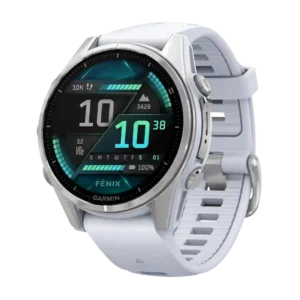
Battery life was one of the clearest strengths, repeatedly meeting specs or lasting many days to weeks depending on model and settings.
Pros: battery life, GPS accuracy
Cons: value for money, call handling
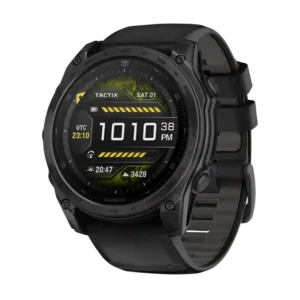
Battery life was one of the clearest strengths, with reviewers often reporting multi-week use, though AMOLED always-on settings reduce endurance.
Pros: battery life, durability
Cons: value for money, band quality

Typical use ranges from about five days with an always-on display to roughly a week or more with lighter settings. Endurance is good for a small AMOLED watch, though some...
Pros: battery life, value for money
Cons: mapping and navigation, smartwatch features
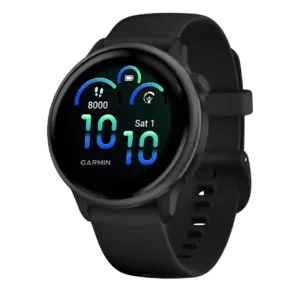
Battery life is a major strength, with most reviewers getting roughly a week or several days depending on always-on display and GPS use.
Pros: battery life, comfort
Cons: heart rate accuracy, sleep tracking accuracy
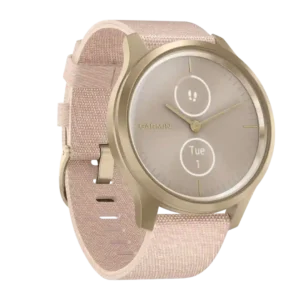
Battery life was broadly positive, commonly landing around four to five days and sometimes stretching longer with light charging habits.
Pros: style and design, battery life
Cons: touchscreen responsiveness, display quality
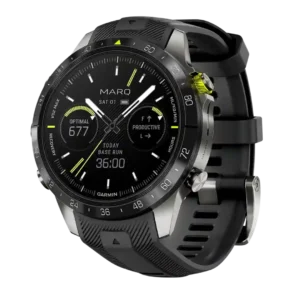
Battery life was broadly praised as strong for AMOLED and smartwatch use, though always-on display, GPS, music, and Pulse Ox reduce it.
Pros: display quality, battery life
Cons: value for money, smartphone notifications
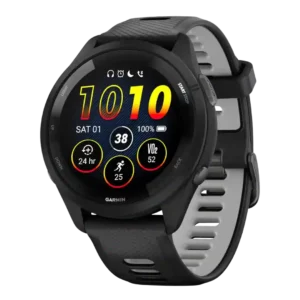
Battery life was broadly strong for an AMOLED sports watch, though ultra runners and users coming from MIP or solar watches wanted more.
Pros: battery life, value for money
Cons: mapping and navigation, smartwatch features
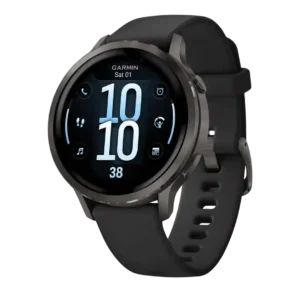
Battery life was widely praised as far better than mainstream smartwatches, though always-on display, GPS, and the Venu 3 comparison reduced enthusiasm for some.
Pros: battery life, GPS accuracy
Cons: value for money, voice assistant quality
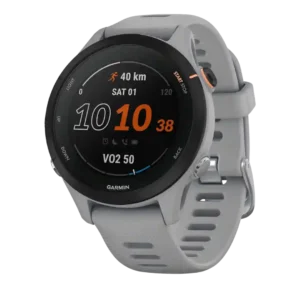
Battery life was widely praised, often landing around a week or more, but music, GPS, backlight, and long-term decline introduced caveats.
Pros: value for money, battery life
Cons: menu navigation, user interface
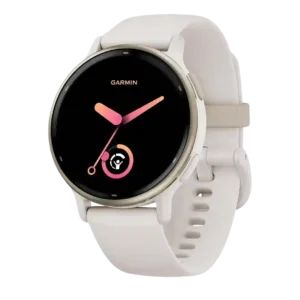
Battery life was one of the strongest points, with reviewers repeatedly reporting multi-day use and favorable results versus mainstream smartwatches.
Pros: value for money, GPS accuracy
Cons: sleep tracking accuracy, recovery insights
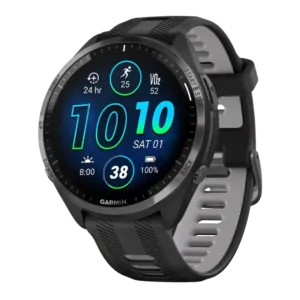
Battery life was broadly praised as strong for everyday training and most races, with caveats around always-on AMOLED, GPS-heavy use, and ultra-distance events.
Pros: battery life, GPS accuracy
Cons: smartwatch features, charging convenience
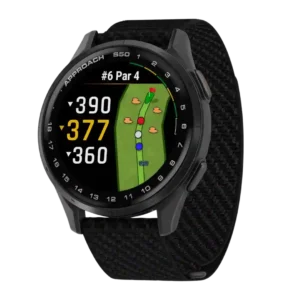
Battery life was generally praised, with reviewers reporting strong multi-day use and weeklong real-world wear, though one comparison called it modest versus the S70.
Pros: value for money, comfort
Cons: fit, band quality
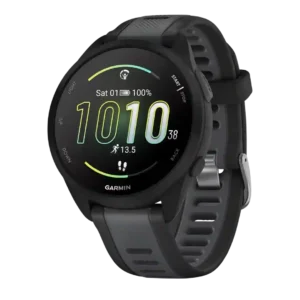
Battery life was generally good for an AMOLED Garmin and daily training, but reviewers flagged limits for long adventures, always-on use, or heavy GPS/music.
Pros: value for money, GPS accuracy
Cons: recovery insights, onboard music storage
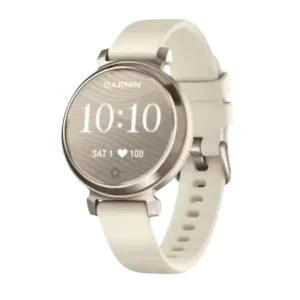
Most reviewers found battery life close to Garmin’s multi-day claim, often four to five days, though one heavy-use YouTube review saw only about three and a half days.
Pros: battery life, style and design
Cons: sleep tracking accuracy, workout tracking variety
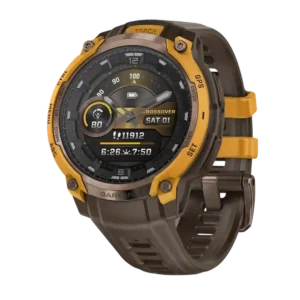
Battery life was generally viewed as strong for an AMOLED smartwatch, though long GPS-heavy adventures exposed a tradeoff versus longer-lasting adventure watches.
Pros: style and design, flashlight usefulness
Cons: value for money, mapping and navigation
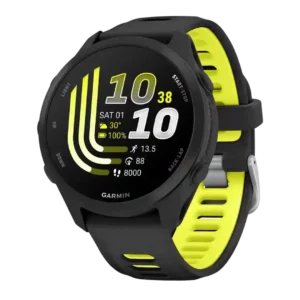
Battery opinions depend heavily on settings: raise-to-wake users often approach a week, while always-on users commonly report about three to four days. It trails the cheaper Forerunner 70 and several...
Pros: value for money, battery life
Cons: mapping and navigation, materials quality

Battery life is adequate rather than class-leading. Depending on display settings and training load, reviewers saw roughly three-and-a-half to six days in heavier real-world use; most runners found that workable,...
Pros: value for money, GPS accuracy
Cons: mapping and navigation, third-party app support
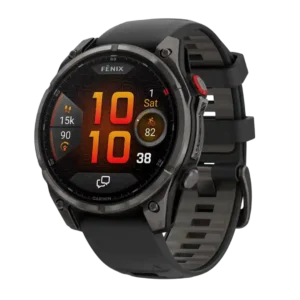
Battery life was one of the biggest tradeoffs: AMOLED models were praised for multi-day or multi-week endurance, while MicroLED and always-on LTE scenarios drew criticism.
Pros: LTE connectivity, battery life
Cons: value for money, safety features
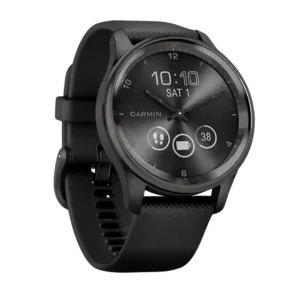
Battery life was mixed: five days was often accurate and acceptable, but some reviewers called it brief or weak by Garmin fitness-watch standards.
Pros: style and design, charging convenience
Cons: battery life, charging speed
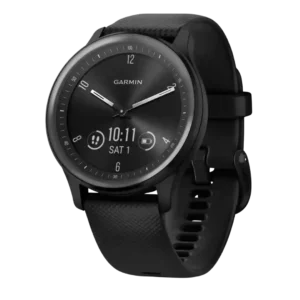
Battery life was mixed: some reviewers were satisfied with roughly five days, while heavier use, GPS pairing, and Pulse Ox reduced it enough to disappoint others.
Pros: value for money, style and design
Cons: battery life, display quality
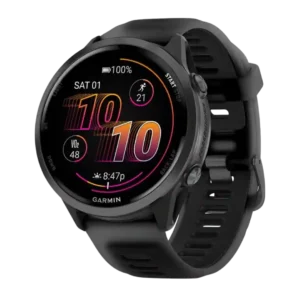
Battery life split reviewers: it easily beat daily-charge smartwatches for some, but many noted regression from the 265 and short always-on runtimes.
Pros: heart rate accuracy, GPS accuracy
Cons: value for money, mapping and navigation
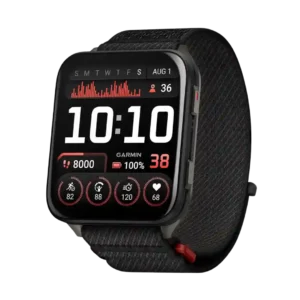
Battery life split reviewers: it outlasted mainstream smartwatches and could reach several days, but always-on display and long GPS use cut it down sharply.
Pros: display quality, comfort
Cons: battery life, value for money
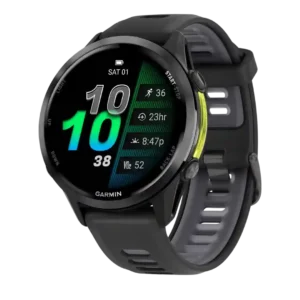
Battery life produced the most mixed feedback: GPS endurance was acceptable or strong, but always-on and general smartwatch use often disappointed reviewers.
Pros: heart rate accuracy, GPS accuracy
Cons: battery life, value for money
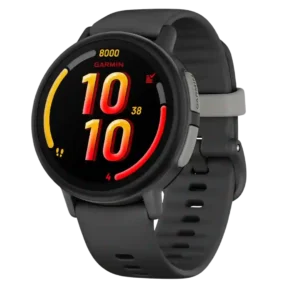
Typical endurance lands around one and a half to two days, with some families getting slightly more. LTE, GPS, calls, and aging batteries can reduce it to a day or...
Pros: smartwatch features, safety features
Cons: value for money, call handling