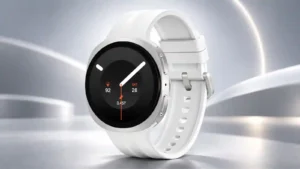
Overall: 3.7/5
Samsung Wallet payments are described as seamless and convenient, making wrist-based NFC purchases a useful everyday feature.
Pros: software smoothness, wellness insights
Cons: battery life, charging speed

Overall: 3.7/5
Samsung Wallet payments are described as seamless and convenient, making wrist-based NFC purchases a useful everyday feature.
Pros: software smoothness, wellness insights
Cons: battery life, charging speed
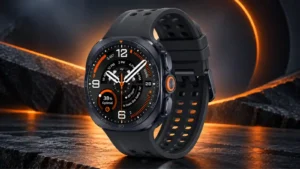
Overall: 4.2/5
Google Wallet and Samsung’s payment support make quick purchases from the wrist easy and genuinely phone-free. Testers who used it viewed payments as one of the practical everyday smartwatch benefits.
Pros: battery life, comfort
Cons: value for money, charging speed
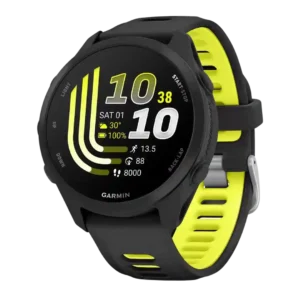
Overall: 4.2/5
Garmin Pay is a useful convenience and a key reason to choose the 170 over the 70. Its value depends on bank support and whether buyers can justify the price...
Pros: value for money, battery life
Cons: mapping and navigation, materials quality
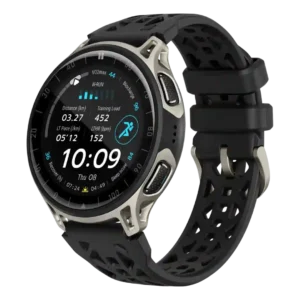
Overall: 3.9/5
Contactless payments were positively described as practical for errands, coffee or post-workout stops without carrying a phone.
Pros: GPS accuracy, battery life
Cons: band quality, smartwatch features
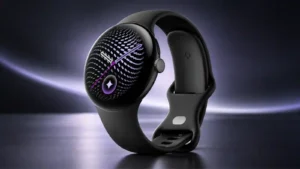
Overall: 3.9/5
Express Pay reduces friction by letting users tap to pay without first opening Wallet, a small convenience that meaningfully improves day-to-day use.
Pros: software smoothness, style and design
Cons: value for money, wellness insights
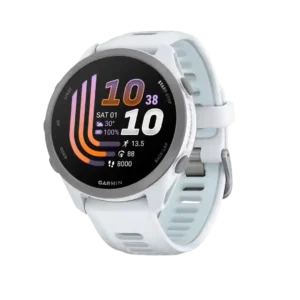
Overall: 4.3/5
Garmin Pay is useful for phone-free runs and everyday purchases, but reviewers disagree on whether it justifies the price premium over the cheaper Forerunner 70.
Pros: value for money, GPS accuracy
Cons: mapping and navigation, third-party app support
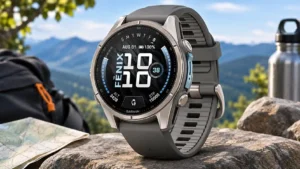
Overall: 3.9/5
Garmin Pay is easy to set up in one test. Its narrower bank support is a practical disadvantage beside Apple Pay.
Pros: battery life, mapping and navigation
Cons: value for money, LTE connectivity
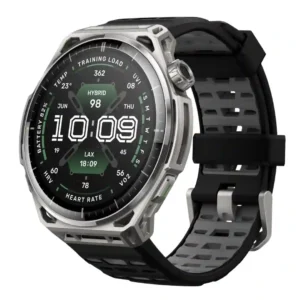
Overall: 4.2/5
Zepp Pay is present, but regional and bank support limits its usefulness. European users may need Curve, and not every German bank is directly supported.
Pros: battery life, brightness
Cons: fit, third-party app support
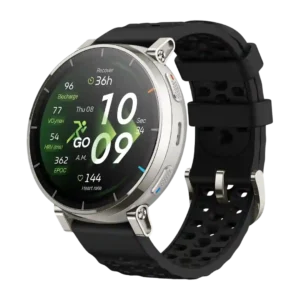
Overall: 4.3/5
Contactless payments are region-dependent: one reviewer says Zepp Pay does not work in the United States, while a European reviewer reports Curve-based payment works smoothly.
Pros: value for money, battery life
Cons: heart rate accuracy, third-party app support
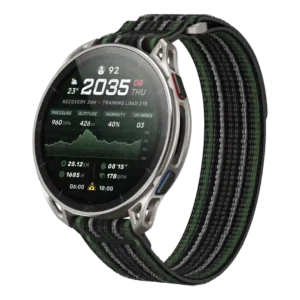
Overall: 4.0/5
Contactless payment works quickly after setup, but enrollment and PIN friction make the implementation less convenient.
Pros: battery life, value for money
Cons: reliability
Overall: 4.0/5
Contactless payment is a useful convenience when supported. Limited bank and card compatibility can make Garmin Pay unusable for some owners.
Pros: mapping and navigation, battery life
Cons: value for money, software smoothness
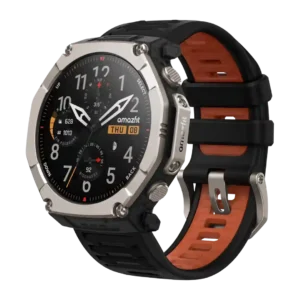
Overall: 4.0/5
Contactless-payment evidence was region-dependent: one review liked European NFC support, while others criticized limited or unavailable payment support.
Pros: battery life, value for money
Cons: heart rate accuracy, comfort
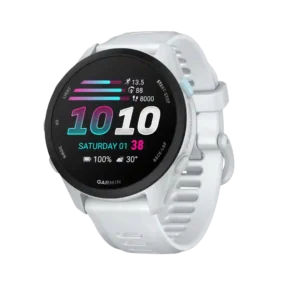
Overall: 4.3/5
Garmin Pay is completely absent, so runners must carry a phone, card, or cash for purchases. This is one of the clearest reasons to consider the Forerunner 170.
Pros: battery life, value for money
Cons: mapping and navigation, smartwatch features
Overall: 4.0/5
The lack of contactless payments outside China disappoints buyers who expect that convenience, although not everyone misses it.
Pros: battery life, heart rate accuracy
Cons: value for money, software smoothness
Overall: 4.4/5
The lack of tap-to-pay is a practical drawback for runners who use their watch to buy things without reaching for a wallet.
Pros: heart rate accuracy, display quality
Cons: band quality, smartwatch features
Overall: 4.0/5
The absence of wrist payments is particularly frustrating for runners who want to leave their phone behind and still buy refreshments or transport.
Pros: GPS accuracy, heart rate accuracy
Cons: value for money, training analysis