If you want better app ecosystem
Choose Samsung Galaxy Watch Ultra 2. It scores 5.0 vs 3.1 for app ecosystem, with a 4.2 overall score.

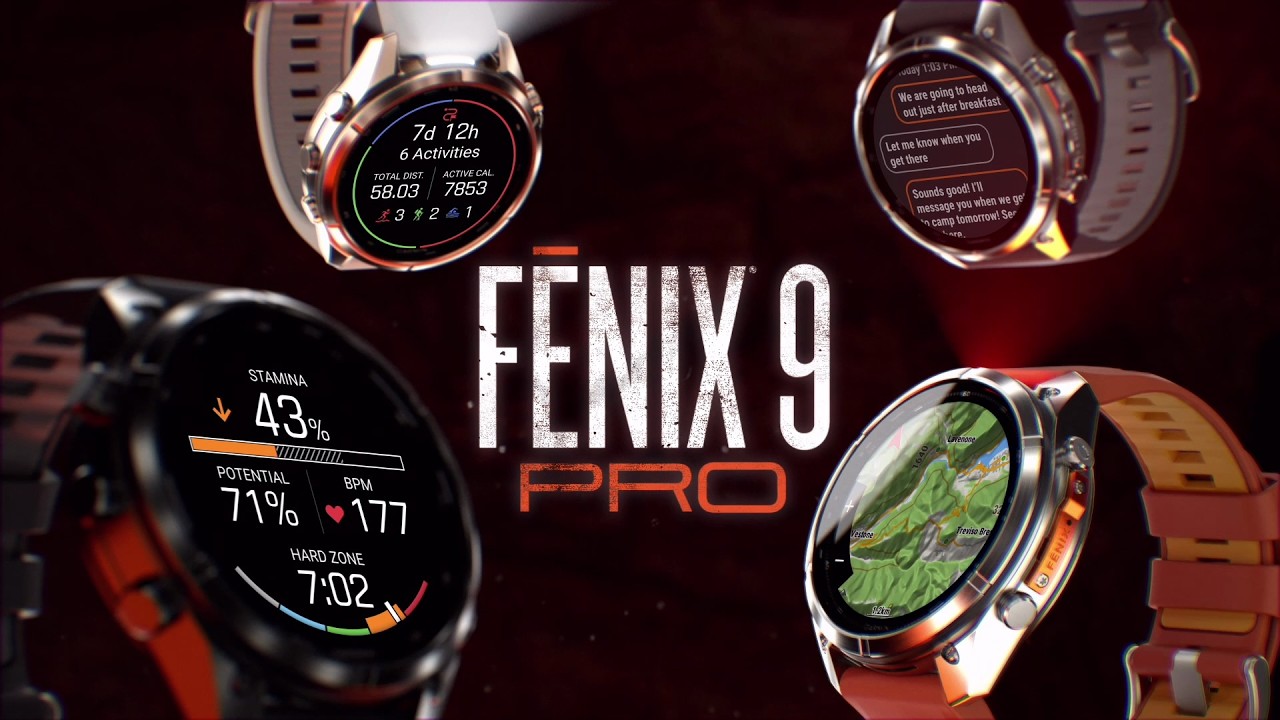
Detailed maps, deep training tools and a refined titanium build make this a compelling outdoor watch. The high price, uneven satellite reliability and sharply shorter endurance on smaller models make the right configuration essential.
Hikers, endurance athletes and multisport users who want detailed on-watch navigation and deep training context. Owners replacing an aging older Garmin have a stronger upgrade case, especially when they choose a size and display suited to their trips.
Budget buyers, most owners of a working Fenix 8, and anyone seeking seamless everyday phone-free calling and apps. The smallest model is also a poor match for long off-grid outings without charging.
The Fenix 9 Pro is most convincing for outdoor athletes who will use its detailed maps, physical controls and extensive training information. The titanium redesign feels more refined, AMOLED visibility is widely praised, and the flashlight repeatedly proves useful. Large models and Solar versions can offer excellent endurance, but that praise does not extend evenly to the 43mm, which struggles on some multiday trips. Satellite messaging is valuable backup rather than a universally trusted replacement for a dedicated communicator, and subscriptions add to an already steep price. Heart-rate results are generally good for steady exercise but less dependable during rapid changes, while interface lag and launch bugs remain concerns. Most owners of a working Fenix 8 should keep it; buyers replacing an older watch have a stronger reason to consider this generation.
Compared with other Smartwatches, this product is above average in cross-platform compatibility, flashlight usefulness, charging convenience, near average in heart rate accuracy, display quality, below average in value for money, software smoothness, Bluetooth connectivity.
| Attribute | This product | Category average | Difference |
|---|---|---|---|
| value for money | 2.6 | 3.8 | -1.2 |
| cross-platform compatibility | 5.0 | 3.5 | +1.5 |
| flashlight usefulness | 4.8 | 3.8 | +1.0 |
| charging convenience | 4.8 | 3.3 | +1.4 |
| mapping and navigation | 4.3 | 3.4 | +0.9 |
| size options | 4.4 | 3.2 | +1.2 |
| software smoothness | 3.1 | 4.0 | -0.9 |
| Bluetooth connectivity | 2.5 | 3.7 | -1.2 |
Choose Samsung Galaxy Watch Ultra 2. It scores 5.0 vs 3.1 for app ecosystem, with a 4.2 overall score.
Choose Amazfit Balance 2. It scores 4.7 vs 4.1 for battery life, with a 4.0 overall score.
Choose OnePlus Watch 2R. It scores 4.9 vs 3.1 for software smoothness, with a 3.7 overall score.
Choose Samsung Galaxy Watch 9. It scores 4.8 vs 3.8 for comfort, with a 3.7 overall score.
Products reviewers directly compared with this model, grouped into quick takeaways.
Usually not. Most accounts find the brighter display, titanium case and quicker maps too incremental to justify replacing a working 8 or 8 Pro.
It depends strongly on size and settings. The 51mm AMOLED often reaches roughly a week to 10–11 days in demanding use, while the 43mm can need charging every three or four days or sooner on extended outings; Solar models generally last longer.
AMOLED offers sharper maps and vivid, easy-to-read data. Solar MiP appeals for endurance and a constantly visible traditional-watch look, but some users find it less clear in shade.
Many testers would not rely on it as their only remote rescue device. Connection failures and the need for a clear satellite angle make it better suited to backup communication.
Outdoor GPS, coaching and training context are strong. Optical heart rate can lag during intervals, and one detailed treadmill comparison finds incorrect pace splits even after distance calibration.
The 43mm makes the Pro more comfortable for small wrists and overnight wear. Its much shorter battery life is a serious compromise for multiday hiking or long endurance events.
It offers useful notifications, music and payments with much longer battery life in many configurations. Apple remains more capable for apps, productivity and ordinary phone-free communication, while Garmin Messenger and card compatibility introduce limits.
These are a few of the reviews included in our analysis.

Google Fitbit Edge matched Garmin Fenix 9 Pro on heart rate (156 vs 153 bpm) but ran 300 m long on a 5km GPS test, per TechRadar.
Two years after the release of the Fenix 8, Garmin has launched a full suite of updated sports watches on the Fenix 9 platform, which...
There is something to be said for a yearly ritual – think spring cleaning, or back-to-school shopping. Every August, I buy a new pair of...
An all-titanium construction and new software tweaks builds on all the Fenixes that came before it.
I hiked 100+ miles with the Fenix 9 Pro AMOLED and Solar inReach. Smoother maps, better buttons, real battery numbers, and where the inReach...
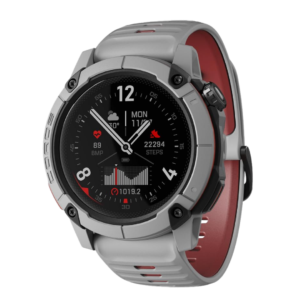
Best for long battery life, accurate GPS and useful offline maps at a strong price. Skip it if you need payments, richer apps, a built-in LED flashlight or polished smartwatch...
Pros: mapping and navigation, value for money
Cons: smartwatch features, contactless payments
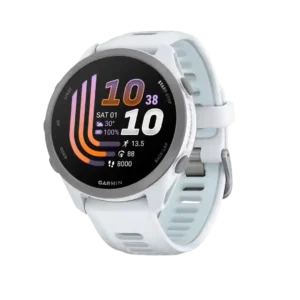
Best for accurate run tracking, deep Garmin coaching and phone-free Spotify in a light package. Skip it if you need full maps, triathlon mode, Apple Music support or the strongest...
Pros: value for money, GPS accuracy
Cons: mapping and navigation, third-party app support
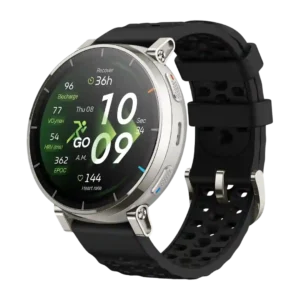
Good if you want premium running features, long battery life, and maps for under $200. Skip it if you need flawless heart-rate data, multiband GPS, LTE, or richer app support.
Pros: value for money, battery life
Cons: heart rate accuracy, third-party app support
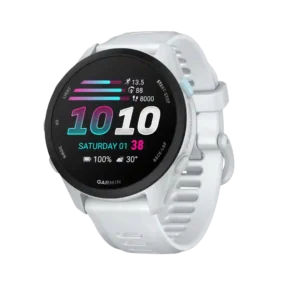
Best for accurate running metrics, excellent coaching tools, a bright AMOLED display, and dependable battery life. Skip it if you need offline maps, music storage, contactless payments, multi-band GPS, or...
Pros: battery life, value for money
Cons: mapping and navigation, smartwatch features