#1

Wear OS gives the Ultra 2 an unusually strong smartwatch app library, with Google Maps, Spotify, WhatsApp, Gmail, YouTube Music and other familiar tools working directly on the wrist. App...
Pros: battery life, comfort
Cons: value for money, charging speed
#2
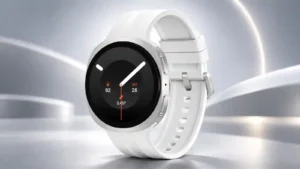
Wear OS gives the Watch 9 a strong app selection, and tested Google and third-party apps generally run smoothly. This helps it feel like a full smartwatch rather than only...
Pros: software smoothness, wellness insights
Cons: battery life, charging speed
#3
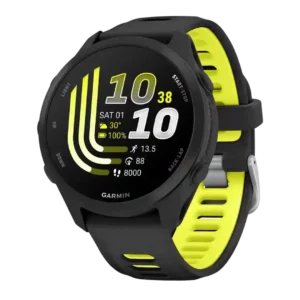
Garmin’s training ecosystem is repeatedly praised as polished and deep, with strong analysis, coaching, and device integration.
Pros: value for money, battery life
Cons: mapping and navigation, materials quality
#4
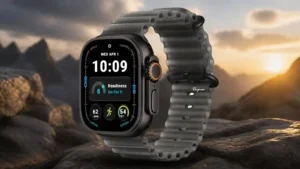
For Apple users, the watch pulls fitness, wellness, apps, and phone integration into one cohesive ecosystem that can replace several separate wearables or services.
Pros: battery life, value for money
Cons: data privacy, comfort
#5

Garmin’s mature ecosystem adds current software features, Connect IQ apps, and broad service integration. It remains one of the watch’s clearest advantages over similarly priced rivals.
Pros: battery life, value for money
Cons: mapping and navigation, smartwatch features
#6
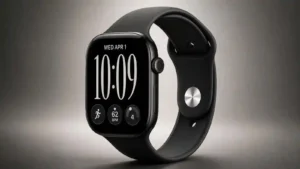
For iPhone users, tight integration with Apple’s broader ecosystem remains a meaningful advantage.
Pros: value for money, heart rate accuracy
Cons: data privacy
#7

The app ecosystem is mixed: reviewers praise the breadth of companion-app features, while another notes the Zepp-only app selection is limited.
Pros: value for money, battery life
Cons: heart rate accuracy, third-party app support
#8
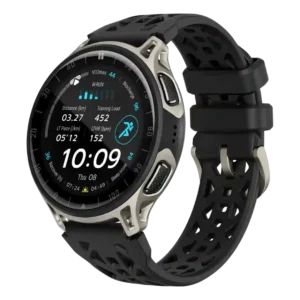
Reviewers generally found Zepp improving into a usable ecosystem, but several said it still feels overloaded or less clean than Garmin/Coros ecosystems.
Pros: GPS accuracy, battery life
Cons: band quality, smartwatch features
#9
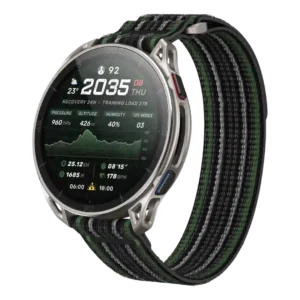
The app ecosystem is split: one reviewer calls Zepp credible, while another says the wider ecosystem is a weak point.
Pros: battery life, value for money
Cons: reliability
#10
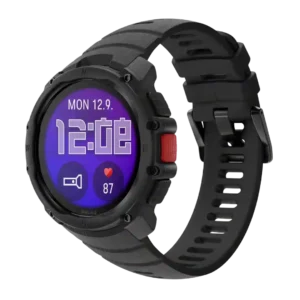
The ecosystem was a recurring caveat because reviewers said Garmin still leads in ecosystem depth and polish.
Pros: value for money, flashlight usefulness
Cons: user interface
#11
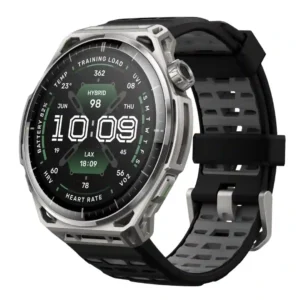
The watch covers core everyday tools, but its app experience is much shallower than Apple Watch or Wear OS. Fitness is the priority; buyers wanting a rich wrist-app catalog may...
Pros: battery life, brightness
Cons: fit, third-party app support
#12
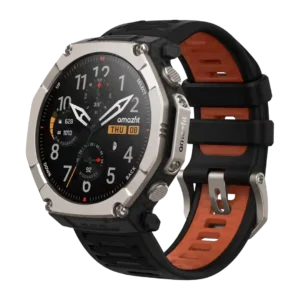
The app ecosystem lagged premium competitors, especially Garmin, with reviewers pointing to weaker ecosystem depth and external support.
Pros: battery life, value for money
Cons: heart rate accuracy, comfort
#13

Connect IQ adds some smartwatch extensibility, but one reviewer found its useful app selection much thinner than Apple’s or Google’s stores.
Pros: value for money, GPS accuracy
Cons: mapping and navigation, third-party app support
#14
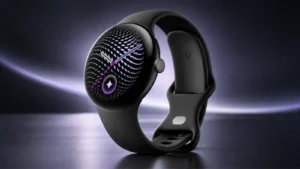
The broader app ecosystem drew sharp criticism in the one review that discussed it directly, especially around Google Health integration and developer friction.
Pros: software smoothness, style and design
Cons: value for money, wellness insights
