#1
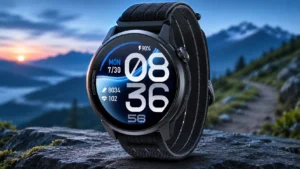
Overall: 4.4/5
Long battery life is a major strength, often reaching roughly a week with always-on display or longer with gesture wake. GPS settings, streaming-free music playback and possible drain issues affect...
Pros: heart rate accuracy, display quality
Cons: band quality, smartwatch features
#2
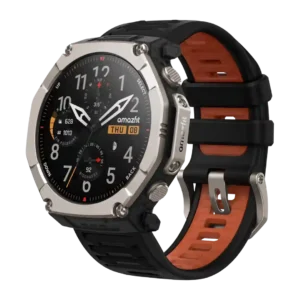
Overall: 4.0/5
Battery life was the strongest consensus win, with reviewers praising slow drain, multi-week use, and unusually strong GPS endurance.
Pros: battery life, value for money
Cons: heart rate accuracy, comfort
#3
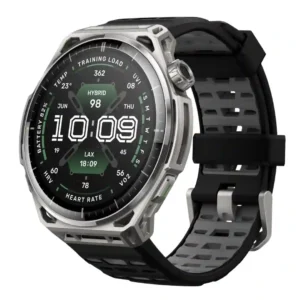
Overall: 4.2/5
Battery life is a standout strength across the board. Reviewers routinely went well over a week with heavy use, while typical-use and GPS endurance sharply reduce charging anxiety.
Pros: battery life, brightness
Cons: fit, third-party app support
#4
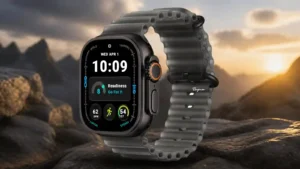
Overall: 4.1/5
Battery life is the clearest upgrade, commonly lasting around two to three days and substantially outlasting earlier Ultras in testing. It still trails dedicated endurance watches by a wide margin,...
Pros: battery life, value for money
Cons: data privacy, comfort
#5
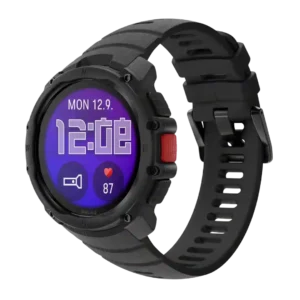
Overall: 4.0/5
Battery life was one of the strongest attributes, with multiple reviewers praising endurance, predictability, and real-world performance.
Pros: value for money, flashlight usefulness
Cons: user interface
#6
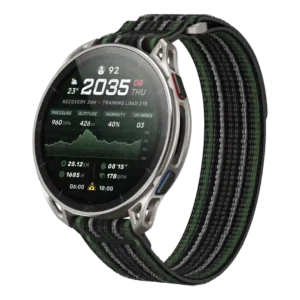
Overall: 4.0/5
Battery life is one of the strongest areas, with multiple reviewers praising long GPS and everyday endurance despite one short-of-claim test.
Pros: battery life, value for money
Cons: reliability
#7
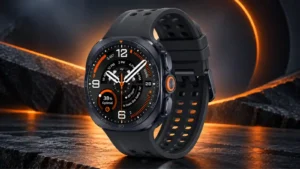
Overall: 4.2/5
Battery life is one of the Ultra 2’s biggest upgrades, commonly landing around two to three days and sometimes longer depending on settings and GPS use. Heavy navigation and workouts...
Pros: battery life, comfort
Cons: value for money, charging speed
#8
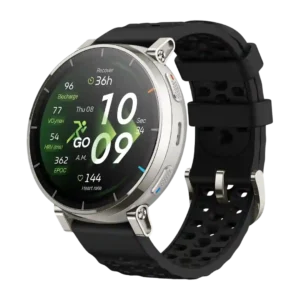
Overall: 4.3/5
Battery life is one of the strongest attributes, repeatedly praised for multi-day endurance, even when heavy use falls short of the full 12-day claim.
Pros: value for money, battery life
Cons: heart rate accuracy, third-party app support
#9
Overall: 3.9/5
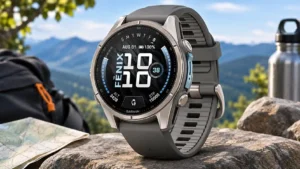
Long runtime is a central strength, especially on Solar models in favorable light. AMOLED still lasts several active days, but display settings, LTE use, case size, and individual configuration make...
Pros: battery life, mapping and navigation
Cons: value for money, LTE connectivity
#10
Overall: 4.0/5
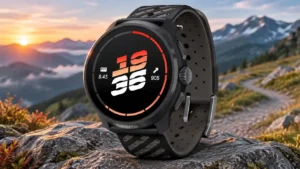
Battery endurance is strong for the size, commonly lasting five to six days with daily GPS and always-on use. Larger rivals can last longer, and navigation increases drain.
Pros: battery life, heart rate accuracy
Cons: value for money, software smoothness
#11
Overall: 4.3/5
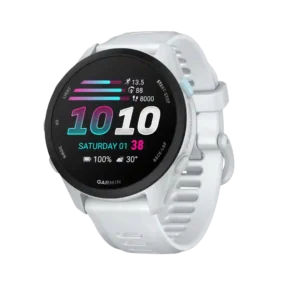
Typical use ranges from about five days with an always-on display to roughly a week or more with lighter settings. Endurance is good for a small AMOLED watch, though some...
Pros: battery life, value for money
Cons: mapping and navigation, smartwatch features
#12
Overall: 3.9/5
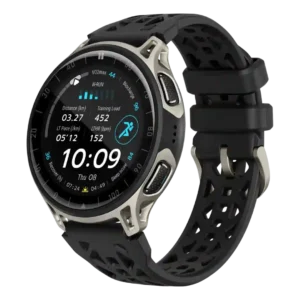
Battery life was one of the strongest areas, with repeated praise for week-plus use and long GPS endurance, though one reviewer found it inconsistent and another compared it unfavorably to...
Pros: GPS accuracy, battery life
Cons: band quality, smartwatch features
#13

Overall: 4.0/5
The larger AMOLED models and Solar versions can go a long time between charges, while the 43mm can struggle on multiday outings. Always-on display, GPS, LTE and occasional drain bugs...
Pros: mapping and navigation, battery life
Cons: value for money, software smoothness
#14
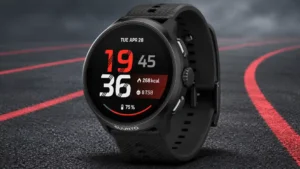
Overall: 4.0/5
Several days between charges is realistic, often about four to seven with regular exercise. Always-on display and maps reduce runtime, and low-battery GPS estimates can be unreliable.
Pros: GPS accuracy, heart rate accuracy
Cons: value for money, training analysis
#15
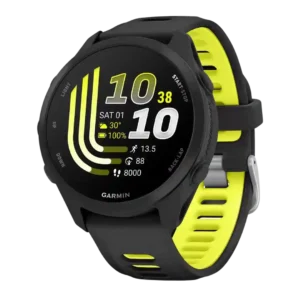
Overall: 4.2/5
Battery opinions depend heavily on settings: raise-to-wake users often approach a week, while always-on users commonly report about three to four days. It trails the cheaper Forerunner 70 and several...
Pros: value for money, battery life
Cons: mapping and navigation, materials quality
#16
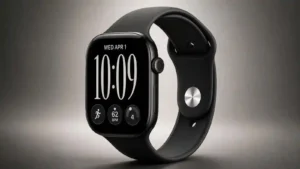
Overall: 4.3/5
Battery life is the Series 12’s most debated core trait. Some units substantially exceeded the 24-hour rating, but many reviewers still dislike daily or near-daily charging and prefer the Ultra...
Pros: value for money, heart rate accuracy
Cons: data privacy
#17
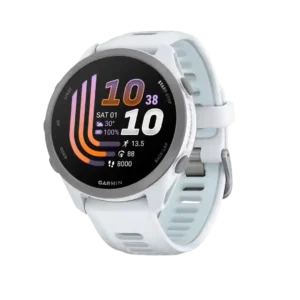
Overall: 4.3/5
Battery life is adequate rather than class-leading. Depending on display settings and training load, reviewers saw roughly three-and-a-half to six days in heavier real-world use; most runners found that workable,...
Pros: value for money, GPS accuracy
Cons: mapping and navigation, third-party app support
#18
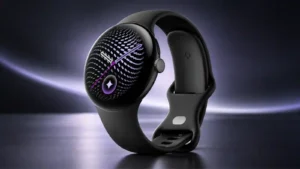
Overall: 3.9/5
Battery life varies noticeably by size and usage. The 45mm model often approaches two days and earns praise, while the smaller model and heavy-GPS use still push many reviewers toward...
Pros: software smoothness, style and design
Cons: value for money, wellness insights
#19
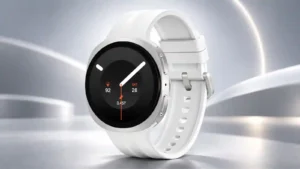
Overall: 3.7/5
Battery life is the clearest recurring weakness. A few testers approach two days or beat expectations, but most report daily charging, heavy drain with workouts or AOD, and little improvement...
Pros: software smoothness, wellness insights
Cons: battery life, charging speed
