#1
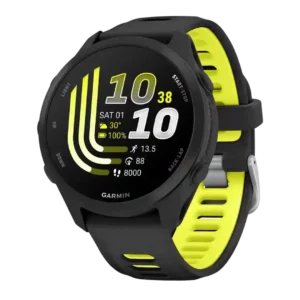
Training Readiness, Training Status, HRV, load, and recovery guidance are the watch’s most consistently praised upgrades. They make the 170 useful well beyond beginner-level run tracking.
Pros: value for money, battery life
Cons: mapping and navigation, materials quality
#2
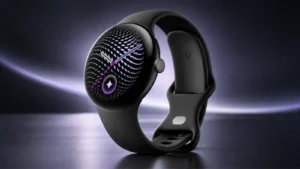
Readiness stood out for reflecting accumulated fatigue in a practical way, giving the watch a useful recovery signal rather than just another raw metric.
Pros: software smoothness, style and design
Cons: value for money, wellness insights
#3

Training Readiness, Training Status, acute load, Body Battery, and recovery time provide a detailed view of training condition. The tools are useful for beginners and experienced runners alike.
Pros: battery life, value for money
Cons: mapping and navigation, smartwatch features
#4

Recovery insights are praised for turning training load, fatigue, VO2 Max, and rest guidance into useful decisions about when to train or recover.
Pros: value for money, battery life
Cons: heart rate accuracy, third-party app support
#5

Training Readiness, Training Status, load, and recovery guidance are among the watch’s biggest strengths, helping runners structure training and avoid overdoing it. One reviewer cautioned that beginners can become too...
Pros: value for money, GPS accuracy
Cons: mapping and navigation, third-party app support
#6

Energy Score, Cardio Load and related recovery tools can help decide whether to push harder or back off, and several users found the guidance useful. Some advice can feel generic,...
Pros: battery life, comfort
Cons: value for money, charging speed
#7

Cardio Load and related recovery guidance can help decide when to push harder or back off. Some runners find the targets jumpy or overly strict, so the guidance is not...
Pros: software smoothness, wellness insights
Cons: battery life, charging speed
#8
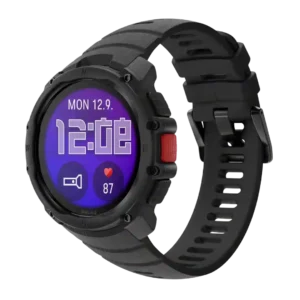
Recovery tools were viewed positively because reviewers highlighted Training Load Pro and guidance that helps users judge when to train and when to recover.
Pros: value for money, flashlight usefulness
Cons: user interface
#9
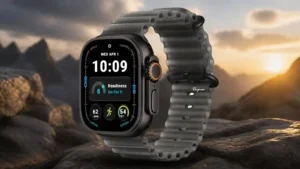
Readiness is one of the most welcomed additions because it turns sleep, vitals, and training data into simple, dynamic guidance. Early bugs, delayed updates, and limited historical context keep it...
Pros: battery life, value for money
Cons: data privacy, comfort
#10
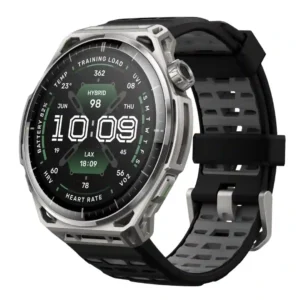
HybridCharge’s blend of sleep, stress, training load, and self-reported life factors was widely seen as useful. Reviewers treated it as a practical nudge rather than an unquestionable prescription, and long-term...
Pros: battery life, brightness
Cons: fit, third-party app support
#11
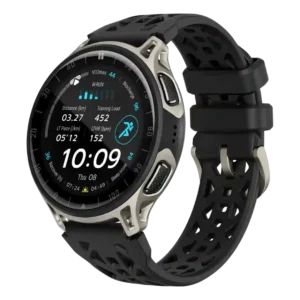
Recovery insights were useful and practical, especially BioCharge, fatigue and sleep-related suggestions, though one reviewer found recovery time less conservative than Garmin.
Pros: GPS accuracy, battery life
Cons: band quality, smartwatch features
#12
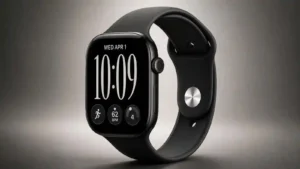
Readiness is widely appreciated for turning sleep, activity and vitals into a dynamic recovery signal that can change through the day. Some reviewers remain cautious about treating a composite score...
Pros: value for money, heart rate accuracy
Cons: data privacy
#13
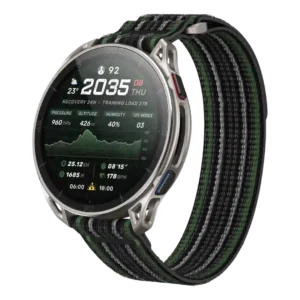
Recovery guidance was described as broadly sensible after testing, with no major complaint about the recovery-time behavior.
Pros: battery life, value for money
Cons: reliability
#14
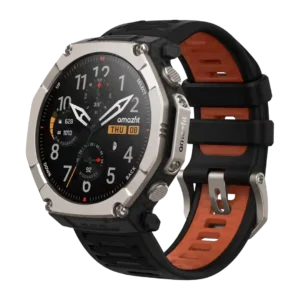
Recovery evidence was mixed: one review found exertion and recovery guidance useful, while another questioned the usefulness of the exertion target.
Pros: battery life, value for money
Cons: heart rate accuracy, comfort
