#1
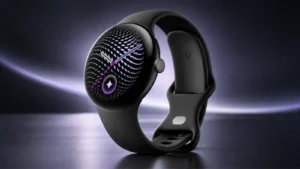
Heart-rate tracking earned excellent marks in the tougher fitness-focused tests, often staying very close to chest straps. Reviewers saw it as one of the watch’s most dependable health metrics.
Pros: software smoothness, style and design
Cons: value for money, wellness insights
#2
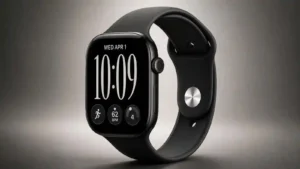
Heart-rate tracking earns unusually consistent praise, with several tests closely matching chest straps or other strong reference wearables. A few early lock-on glitches appeared, but they were exceptions.
Pros: value for money, heart rate accuracy
Cons: data privacy
#3
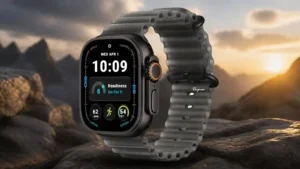
Heart-rate tracking is usually excellent and often aligns closely with chest straps, but several tests found delayed locks, skipped samples, or weaker performance during fast-changing efforts. It is top-tier rather...
Pros: battery life, value for money
Cons: data privacy, comfort
#4
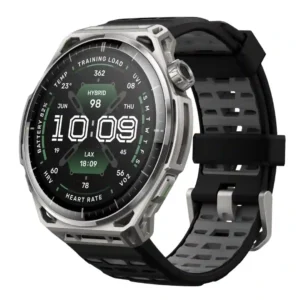
Heart-rate tracking was excellent for steady running and often closely matched chest straps or premium watches. Results were more mixed during rapid intensity changes and one reference test, so external...
Pros: battery life, brightness
Cons: fit, third-party app support
#5

Heart-rate tracking is often very strong during running and cardio, with several tests showing close agreement with Polar straps, Apple Watch and other references. Harder conditions such as strength work,...
Pros: battery life, comfort
Cons: value for money, charging speed
#6

Heart-rate tracking is generally strong for running and mixed training, with several reviewers calling the older Elevate 4 sensor very good. Hard intervals and strength work can expose some lag,...
Pros: value for money, GPS accuracy
Cons: mapping and navigation, third-party app support
#7

The older Gen 4 optical sensor performs well for steady running and often tracks closely with chest straps. Intervals, cycling, cold weather, and rapid recovery changes can produce occasional lag...
Pros: battery life, value for money
Cons: mapping and navigation, smartwatch features
#8
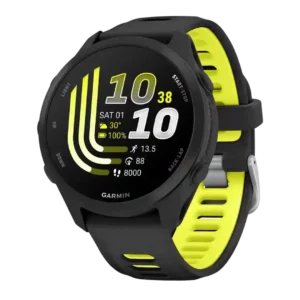
Steady running and treadmill readings usually tracked closely to chest straps. Rapid intervals, strength work, steep climbs, and some trail sessions exposed lag from the older sensor.
Pros: value for money, battery life
Cons: mapping and navigation, materials quality
#9
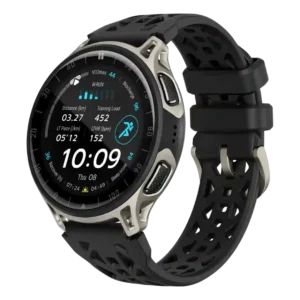
Heart rate accuracy was good for steady efforts and often close to straps or Garmin, but several reviewers still recommended a chest strap for intervals, cycling or precision work.
Pros: GPS accuracy, battery life
Cons: band quality, smartwatch features
#10
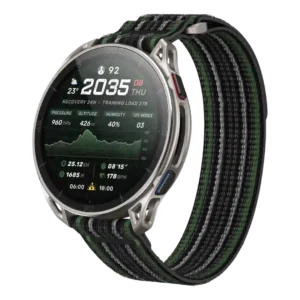
Heart-rate evidence is mostly positive, with excellent road, trail, gym, and cycling results, though reviewers noted occasional interval or anomaly problems.
Pros: battery life, value for money
Cons: reliability
#11
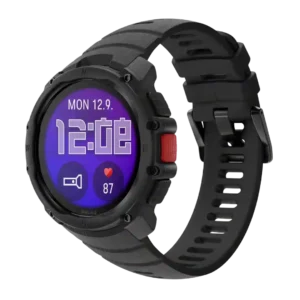
Heart-rate evidence was mixed overall: one reviewer was cautious based on prior Polar sensor testing, while hands-on reviewers reported accurate or more reliable workout data.
Pros: value for money, flashlight usefulness
Cons: user interface
#12
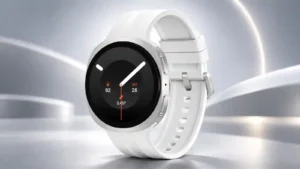
Heart-rate results are mixed. Several controlled workouts track closely to chest straps, but other tests show startup errors, cadence lock, wider ranges, or weaker performance in difficult activities.
Pros: software smoothness, wellness insights
Cons: battery life, charging speed
#13

Heart-rate evidence is mixed: one reviewer saw suspicious cadence-like readings and another first run was imperfect, while later testing and a German review found generally acceptable to very strong results.
Pros: value for money, battery life
Cons: heart rate accuracy, third-party app support
#14
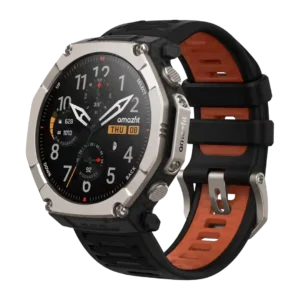
Heart-rate evidence was split: some reviewers found it accurate or improved, while testing-heavy reviews reported cadence lock, cold-weather struggles, and poor performance during running or lifting.
Pros: battery life, value for money
Cons: heart rate accuracy, comfort
