#1

GPS performance earned unusually consistent praise despite the single-band hardware, with reviewers finding it close to pricier multi-band Garmins and accurate on city, coastal, and woodland routes. Multi-band remains preferable...
Pros: value for money, GPS accuracy
Cons: mapping and navigation, third-party app support
#2
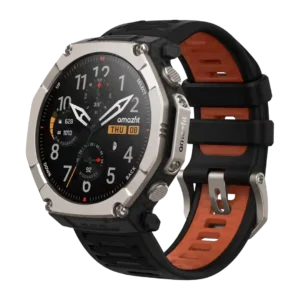
GPS accuracy was one of the strongest areas, with repeated praise for fast, accurate positioning, solid tracks, and strong repeat-route consistency.
Pros: battery life, value for money
Cons: heart rate accuracy, comfort
#3

Dual-band GPS is usually fast to lock and highly accurate, often matching Garmin or other reference devices closely on distance and route shape. Some tests still found corner cutting or...
Pros: battery life, comfort
Cons: value for money, charging speed
#4
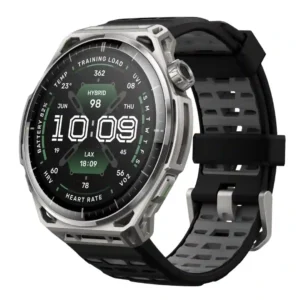
Dual-band GPS consistently tracked close to Garmin and other premium competitors across roads, forests, buildings, and underpasses. Small deviations appeared in dense cover, but overall accuracy was one of the...
Pros: battery life, brightness
Cons: fit, third-party app support
#5
GPS was one of the most praised upgrades, especially after Google’s post-processing cleaned up difficult urban routes. Results were not flawless, and some reviewers questioned the lack of real-time correction,...
Pros: software smoothness, style and design
Cons: value for money, wellness insights
#6
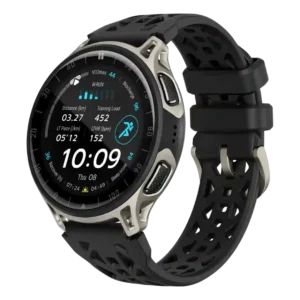
GPS accuracy was one of the strongest consensus areas, with many reviewers finding it solid, fast, close to Garmin, or excellent, though a few noted corner-cutting or distance errors.
Pros: GPS accuracy, battery life
Cons: band quality, smartwatch features
#7

GPS tracking is consistently strong on roads, trails, and urban routes, often matching pricier multi-band watches. Dense city canyons and wooded areas can still expose occasional small errors.
Pros: battery life, value for money
Cons: mapping and navigation, smartwatch features
#8
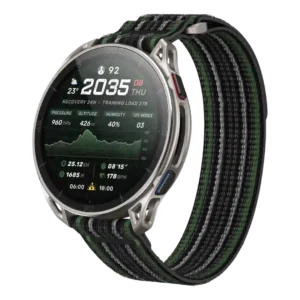
GPS accuracy is generally strong and often close to top competitors, though some tests judged it competitive rather than exceptional in harder conditions.
Pros: battery life, value for money
Cons: reliability
#9

Dual-frequency GPS is usually a strength, producing accurate routes in open areas, cities, and even dense woodland. Some tests still show slow initial lock, cut corners, building errors, or imperfect...
Pros: software smoothness, wellness insights
Cons: battery life, charging speed
#10
GPS performance is usually excellent, with multiband tracking producing clean routes and small advantages over standard Apple Watch models. One scientific test found a major route anomaly, so the record...
Pros: battery life, value for money
Cons: data privacy, comfort
#11
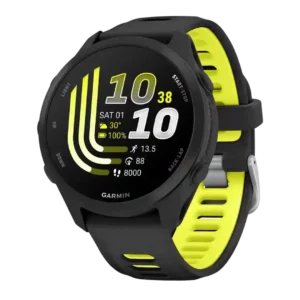
Most testers found all-systems GPS impressively close to multi-band reference watches on roads and open routes. Dense canopy, steep terrain, and technical trails produced drift or corner cutting for at...
Pros: value for money, battery life
Cons: mapping and navigation, materials quality
#12
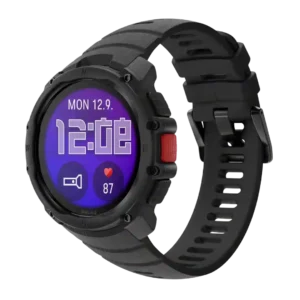
GPS accuracy received a positive hands-on score, with the reviewer reporting very good test results overall despite minor exceptions.
Pros: value for money, flashlight usefulness
Cons: user interface
#13

GPS accuracy is mostly positive in normal suburban or open conditions, but reviewers note single-band limitations, drift, and weaker performance in dense forest or more difficult environments.
Pros: value for money, battery life
Cons: heart rate accuracy, third-party app support
#14

GPS is generally good enough for everyday running, but reviewers repeatedly found the Series 12 a little less precise than multiband models such as the Ultra 4 in difficult conditions.
Pros: value for money, heart rate accuracy
Cons: data privacy
