Best for blood oxygen tracking
Garmin Lily 2 Active
5.0 attribute score
Highest scored product for this attribute based on supporting review evidence.

Highest scored product for this attribute based on supporting review evidence.
Balances the attribute score, supporting reviews, and overall product strength.
Has the broadest review evidence for this attribute.
Strongest overall product among items with scored evidence for this attribute.

One reviewer was very positive about Pulse Ox readings, saying the watch routinely matched their normal SpO2 range.
Pros: battery life, GPS accuracy
Cons: onboard music storage, mapping and navigation
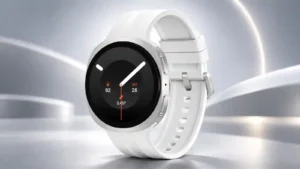
Blood-oxygen readings looked very close to a medical-grade pulse oximeter in one direct comparison, giving this metric a strong accuracy result.
Pros: software smoothness, wellness insights
Cons: battery life, charging speed
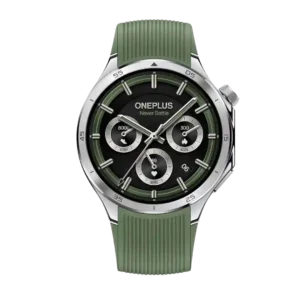
Blood oxygen readings were limited in coverage but strongly positive where tested against reference readings.
Pros: battery life, button controls
Cons: size options, ECG functionality
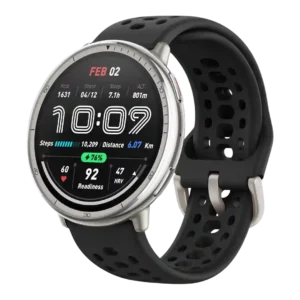
Blood oxygen readings were viewed positively where tested, with one reviewer reporting very small deviations and another calling results accurate enough.
Pros: value for money, battery life
Cons: band quality, button controls
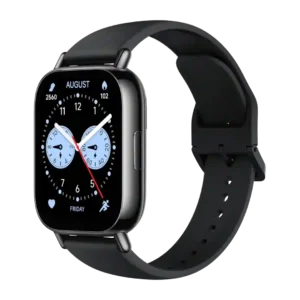
Blood oxygen tracking was positively received where tested, with reviewers describing SpO2 monitoring as accurate or slightly more accurate than a comparison reading.
Pros: display quality, battery life
Cons: sleep tracking accuracy, voice assistant quality
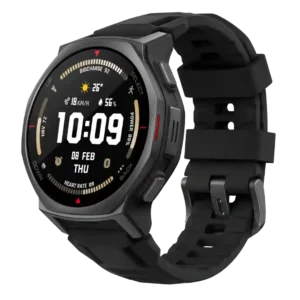
Blood oxygen tracking received limited but positive evidence, with one reviewer saying it matched a comparison watch’s 96 percent reading impressively.
Pros: battery life, value for money
Cons: mapping and navigation, user interface
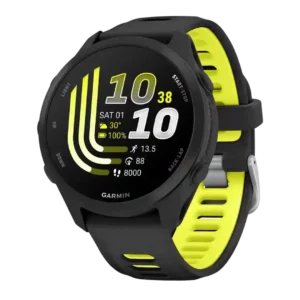
Pulse Ox is considered a meaningful upgrade over the previous entry-level generation and adds depth to overnight health monitoring.
Pros: value for money, battery life
Cons: mapping and navigation, materials quality

Pulse Ox is welcomed as part of the expanded health package, bringing a feature that previously sat above this entry-to-midrange tier.
Pros: value for money, GPS accuracy
Cons: mapping and navigation, third-party app support
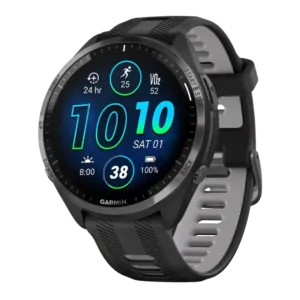
One reviewer found blood oxygen readings close to a pulse oximeter, supporting strong SpO2 tracking confidence.
Pros: battery life, GPS accuracy
Cons: smartwatch features, charging convenience
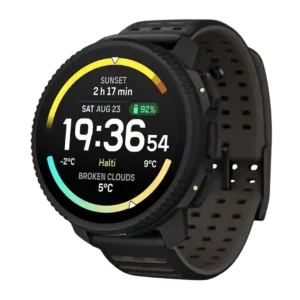
Blood oxygen evidence was limited but positive, tied to a redesigned sensor that improved stability during demanding outdoor use.
Pros: battery life, flashlight usefulness
Cons: companion app quality, onboard music storage
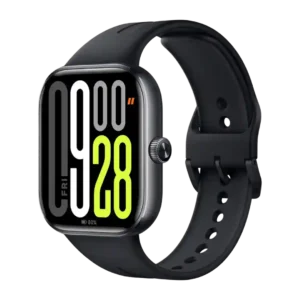
Blood oxygen tracking received limited but positive accuracy evidence, with one reviewer saying readings were close in testing.
Pros: battery life, display quality
Cons: smartphone notifications, sleep tracking accuracy
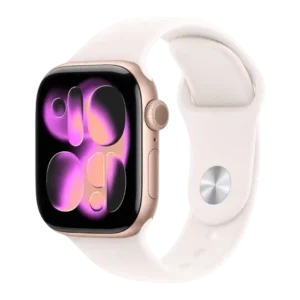
Blood oxygen tracking is treated as a welcome restored capability that makes the watch feel more complete as a health device.
Pros: battery life, value for money
Cons: coaching features, recovery insights
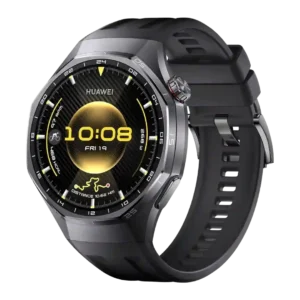
Blood oxygen readings were treated positively where tested, staying within acceptable ranges or grouped with accurate sensor results.
Pros: battery life, GPS accuracy
Cons: contactless payments, app ecosystem
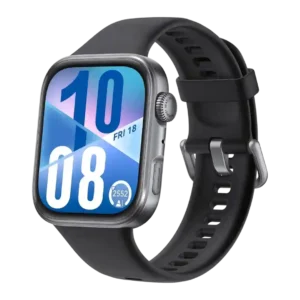
Blood oxygen tracking received positive but cautious comments, with reviewers finding readings reliable or closely matching other devices while not treating them as medical-grade.
Pros: value for money, battery life
Cons: companion app quality, contactless payments
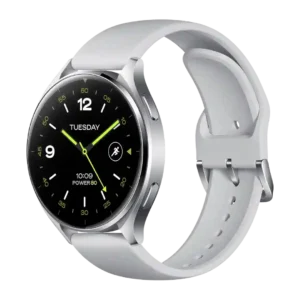
Blood oxygen tracking received positive practical comments, including useful breathing-score context and close comparison to another oximeter-style device.
Pros: value for money, smartphone notifications
Cons: battery life, operating system experience
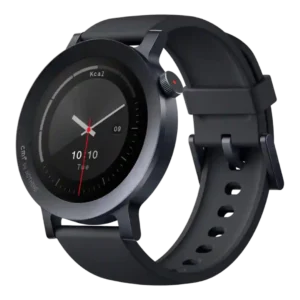
Blood oxygen readings were limited in the review evidence but positive where compared directly, with one user finding pulse-ox results very close to a finger oximeter.
Pros: style and design, value for money
Cons: customization options, companion app quality
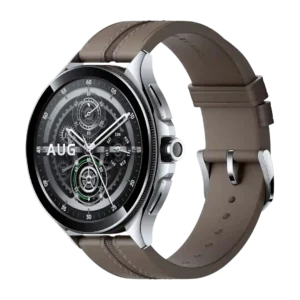
Blood oxygen tracking received limited but positive accuracy evidence, with one reviewer calling a 1% deviation acceptable and another saying SpO2 ranges were in a good place.
Pros: app ecosystem, battery life
Cons: size options, comfort
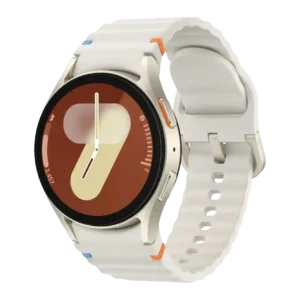
Blood oxygen tracking received positive but limited opinionated evidence, mainly from a reviewer who saw fewer random discrepancies than on the prior Galaxy Watch.
Pros: value for money, wellness insights
Cons: battery life, cross-platform compatibility
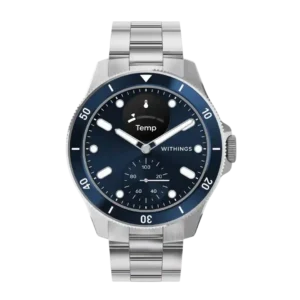
Blood oxygen tracking was generally useful and easy once working, though one reviewer needed several attempts to get an SpO2 reading.
Pros: battery life, style and design
Cons: value for money, charging convenience
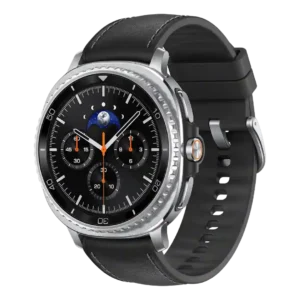
Blood oxygen tracking drew limited but mostly positive evidence, with one reviewer matching an oximeter while another found it weaker during sleep.
Pros: comfort, voice assistant quality
Cons: battery life, antioxidant index
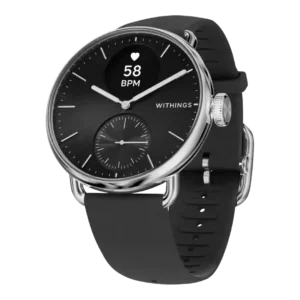
Blood oxygen tracking was useful but mixed: reviewers praised alignment with other devices, while one noted readings could be tricky and sometimes inconclusive.
Pros: style and design, battery life
Cons: smartwatch features, value for money
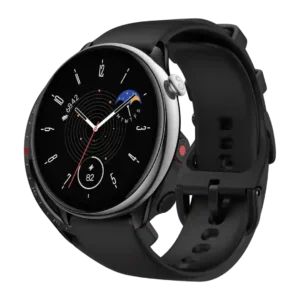
Blood oxygen tracking was generally acceptable in the limited evidence, coming close to other devices but requiring better wrist placement for accuracy.
Pros: battery life, workout tracking variety
Cons: call handling, smartphone notifications
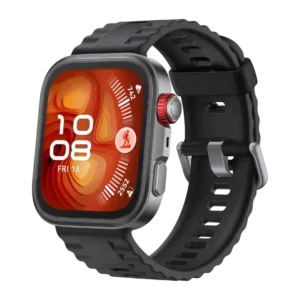
Blood oxygen tracking received limited but positive evidence as part of the BioTracker suite, which one reviewer said handled health vitals admirably.
Pros: battery life, value for money
Cons: third-party app support, onboard music storage
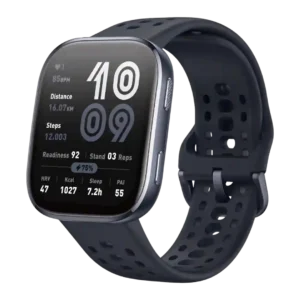
Blood oxygen readings received limited direct evaluation, but TechAdvisor found the data aligned well with other devices.
Pros: value for money, battery life
Cons: voice assistant quality, sleep tracking accuracy
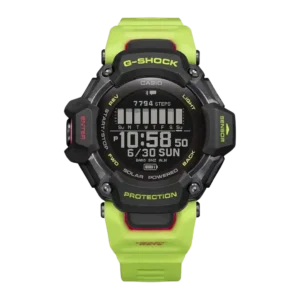
Blood oxygen tracking was lightly covered but positively judged in the one review that evaluated it directly.
Pros: comfort, battery life
Cons: companion app quality, value for money
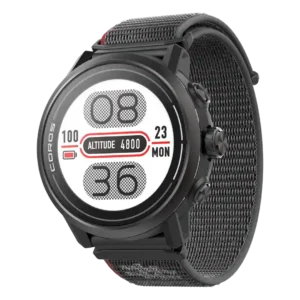
Blood oxygen tracking was lightly praised as part of altitude mode, but only one review gave a clear positive judgment.
Pros: value for money, GPS accuracy
Cons: mapping and navigation, onboard music storage
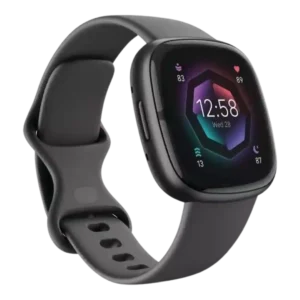
Blood oxygen tracking is treated as a useful health metric, especially for overnight monitoring and illness awareness, though the review evidence is limited.
Pros: battery life, stress tracking
Cons: value for money, GPS accuracy
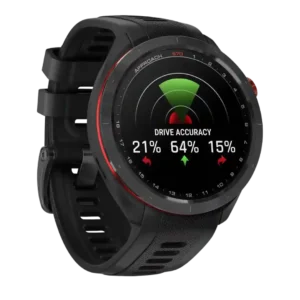
Blood oxygen tracking receives limited but positive usefulness evidence as another health metric the reviewer liked monitoring.
Pros: display quality, value for money
Cons: charging convenience, smartphone notifications
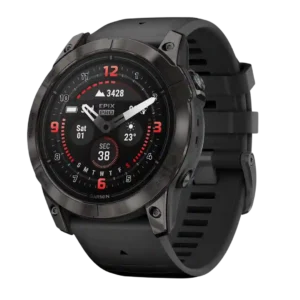
Blood oxygen tracking received limited but positive evidence, with one reviewer reporting readings stayed in the expected range during testing.
Pros: battery life, GPS accuracy
Cons: user interface, fit
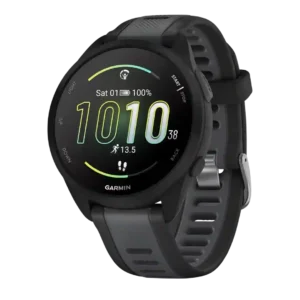
Blood oxygen tracking was treated as a useful extra by reviewers who valued the reassurance, though broader accuracy was not deeply tested.
Pros: value for money, GPS accuracy
Cons: recovery insights, onboard music storage
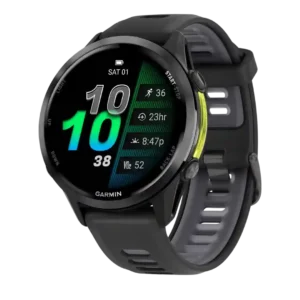
PulseOx-related evidence centered on improved practicality, with one reviewer finding breathing-variation tracking no longer caused a notable overnight battery penalty.
Pros: heart rate accuracy, GPS accuracy
Cons: battery life, value for money
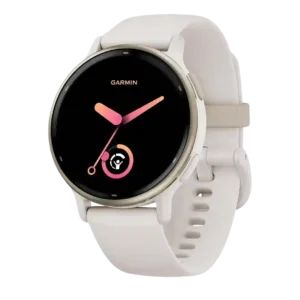
Blood oxygen tracking was treated as part of the watch’s broader accurate health-monitoring package in one review.
Pros: value for money, GPS accuracy
Cons: sleep tracking accuracy, recovery insights
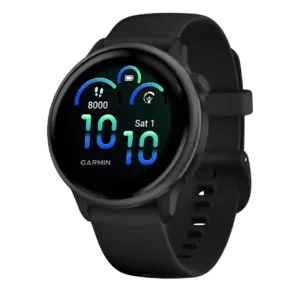
Blood oxygen tracking appears as part of the watch's broader accurate health-monitoring package, but reviewers did not deeply test it as a standalone feature.
Pros: battery life, comfort
Cons: heart rate accuracy, sleep tracking accuracy
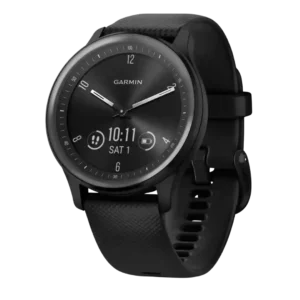
Blood-oxygen spot checks looked reasonable in limited testing, though one reviewer noted slightly lower readings and recommended repeating low measurements.
Pros: value for money, style and design
Cons: battery life, display quality
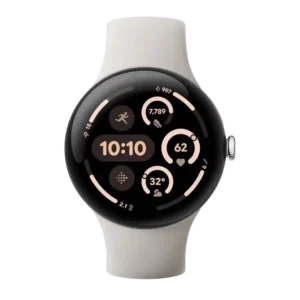
Blood oxygen tracking received limited but positive support, with one reviewer saying SpO2-related sleep data lined up with their patterns and baseline readings.
Pros: battery life, display quality
Cons: GPS accuracy, charging convenience
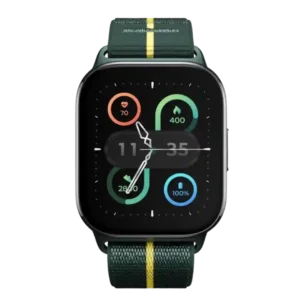
Blood oxygen tracking was treated as part of a basic health suite that appeared to work well in daily use.
Pros: battery life, display quality
Cons: value for money, style and design
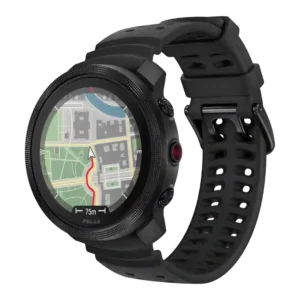
SpO2 appears as part of a broader sensor suite that one reviewer says adds depth to health insights.
Pros: value for money, GPS accuracy
Cons: heart rate accuracy, companion app quality

Blood-oxygen tracking is described as working normally alongside the watch’s other core health sensors. There is little standalone testing of SpO2 accuracy, so confidence is more limited than for heart...
Pros: battery life, comfort
Cons: value for money, charging speed
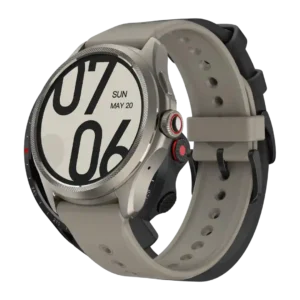
Blood oxygen readings were mostly acceptable in direct comparisons, though at least one reviewer saw inconsistent one-tap results.
Pros: battery life, display quality
Cons: voice assistant quality, sleep tracking accuracy
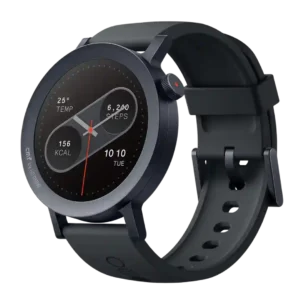
Blood oxygen tracking was viewed as a useful basic feature and several reviewers found readings reliable or broadly accurate for a budget watch.
Pros: value for money, battery life
Cons: GPS accuracy, sleep tracking accuracy
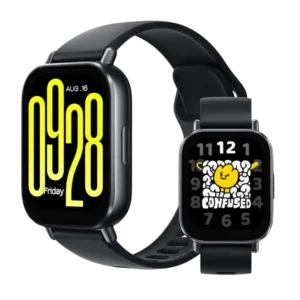
Blood oxygen readings were mostly acceptable, but one comparison found the Lite model slightly more accurate than the Active.
Pros: call handling, smartwatch features
Cons: display quality, value for money
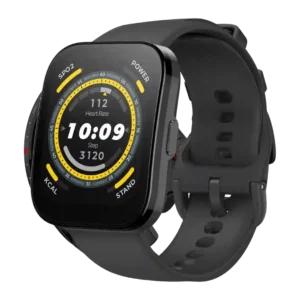
Blood oxygen tracking receives modestly positive evidence, with readings described as decent against an oximeter rather than perfectly accurate.
Pros: value for money, battery life
Cons: smartwatch features, app ecosystem
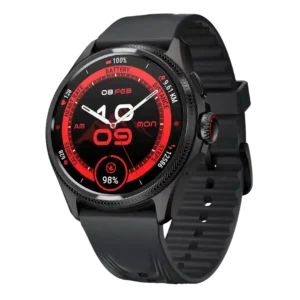
Blood oxygen tracking was split: some reviewers saw close agreement with other wearables, while others found readings inconsistent or dubious.
Pros: battery life, value for money
Cons: operating system experience, voice assistant quality
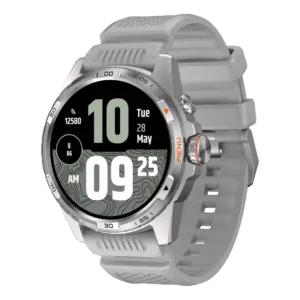
Blood oxygen results are mixed: some readings matched reference devices, while others produced erratic or dodgy spot readings.
Pros: battery life, display quality
Cons: operating system experience, voice assistant quality
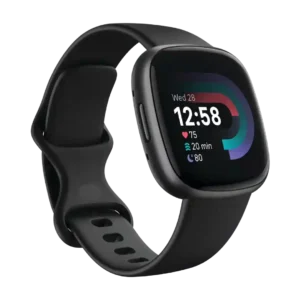
Blood oxygen tracking was treated as a useful overnight health signal, but reviewers discussed it as part of broader health-metric packages rather than as a standout feature.
Pros: battery life, GPS accuracy
Cons: value for money, heart rate accuracy
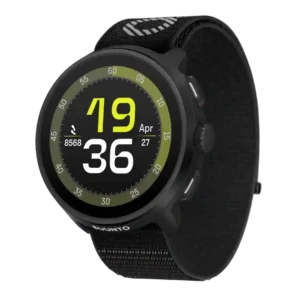
Blood oxygen tracking was mentioned as an advanced capability, but reviewers provided little quality-focused testing beyond noting the sensor support.
Pros: GPS accuracy, battery life
Cons: onboard music storage, charging convenience
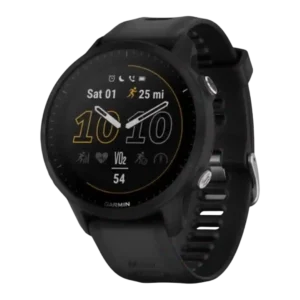
Blood oxygen tracking was treated as useful when measured carefully, but movement and battery impact limited confidence.
Pros: GPS accuracy, battery life
Cons: onboard music storage, charging convenience
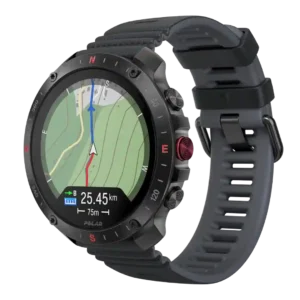
Blood oxygen tracking was treated as useful for quick altitude-adaptation checks, with positioning caveats.
Pros: GPS accuracy, mapping and navigation
Cons: value for money, companion app quality
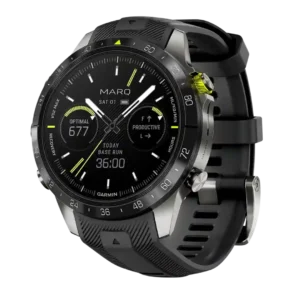
Blood oxygen tracking was treated as useful when measured carefully, but reviewers also warned that Pulse Ox can drain battery heavily.
Pros: display quality, battery life
Cons: value for money, smartphone notifications
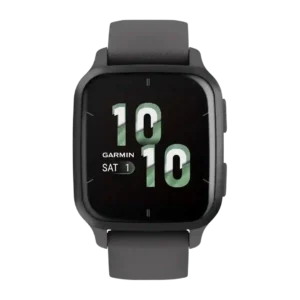
Blood oxygen tracking was appreciated, but evidence was split between accurate readings and complaints that on-demand or recorded SpO2 values could run low or odd.
Pros: battery life, display quality
Cons: smartwatch features, style and design