
One reviewer was very positive about Pulse Ox readings, saying the watch routinely matched their normal SpO2 range.
Pros: battery life, GPS accuracy
Cons: onboard music storage, mapping and navigation

One reviewer was very positive about Pulse Ox readings, saying the watch routinely matched their normal SpO2 range.
Pros: battery life, GPS accuracy
Cons: onboard music storage, mapping and navigation
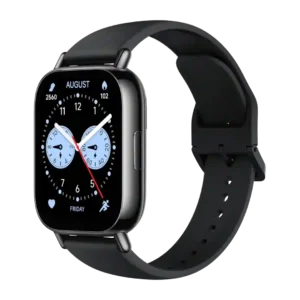
Blood oxygen tracking was positively received where tested, with reviewers describing SpO2 monitoring as accurate or slightly more accurate than a comparison reading.
Pros: display quality, battery life
Cons: sleep tracking accuracy, voice assistant quality
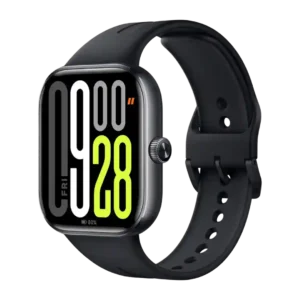
Blood oxygen tracking received limited but positive accuracy evidence, with one reviewer saying readings were close in testing.
Pros: battery life, display quality
Cons: smartphone notifications, sleep tracking accuracy
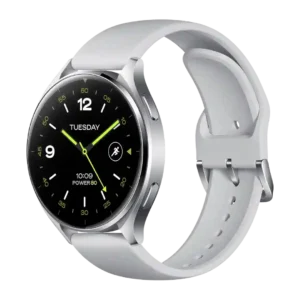
Blood oxygen tracking received positive practical comments, including useful breathing-score context and close comparison to another oximeter-style device.
Pros: value for money, smartphone notifications
Cons: battery life, operating system experience
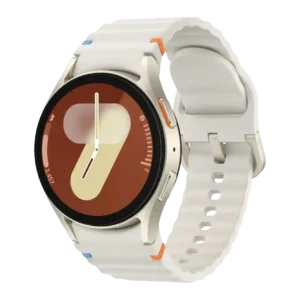
Blood oxygen tracking received positive but limited opinionated evidence, mainly from a reviewer who saw fewer random discrepancies than on the prior Galaxy Watch.
Pros: value for money, wellness insights
Cons: battery life, cross-platform compatibility
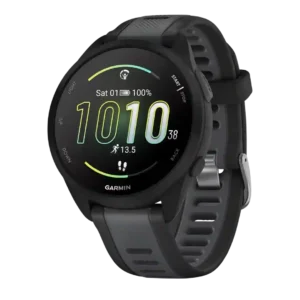
Blood oxygen tracking was treated as a useful extra by reviewers who valued the reassurance, though broader accuracy was not deeply tested.
Pros: value for money, GPS accuracy
Cons: recovery insights, onboard music storage
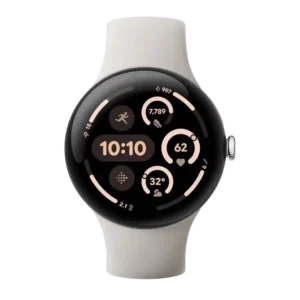
Blood oxygen tracking received limited but positive support, with one reviewer saying SpO2-related sleep data lined up with their patterns and baseline readings.
Pros: battery life, display quality
Cons: GPS accuracy, charging convenience
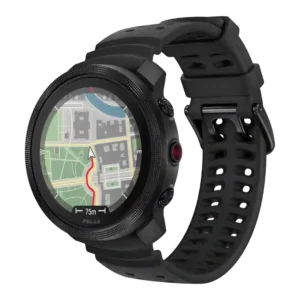
SpO2 appears as part of a broader sensor suite that one reviewer says adds depth to health insights.
Pros: value for money, GPS accuracy
Cons: heart rate accuracy, companion app quality
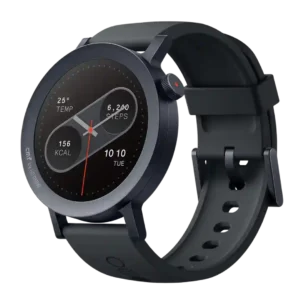
Blood oxygen tracking was viewed as a useful basic feature and several reviewers found readings reliable or broadly accurate for a budget watch.
Pros: value for money, battery life
Cons: GPS accuracy, sleep tracking accuracy
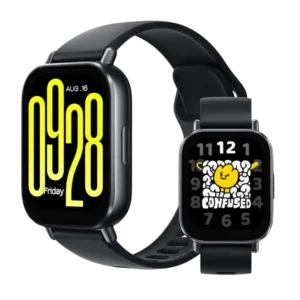
Blood oxygen readings were mostly acceptable, but one comparison found the Lite model slightly more accurate than the Active.
Pros: call handling, smartwatch features
Cons: display quality, value for money
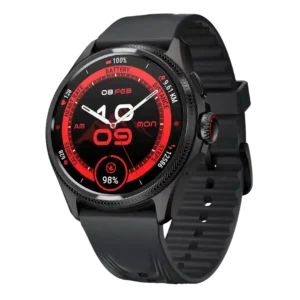
Blood oxygen tracking was split: some reviewers saw close agreement with other wearables, while others found readings inconsistent or dubious.
Pros: battery life, value for money
Cons: operating system experience, voice assistant quality
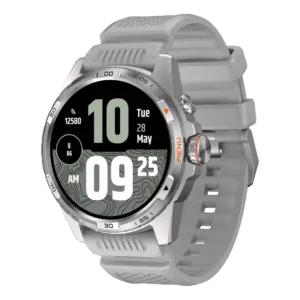
Blood oxygen results are mixed: some readings matched reference devices, while others produced erratic or dodgy spot readings.
Pros: battery life, display quality
Cons: operating system experience, voice assistant quality
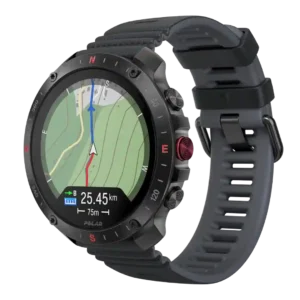
Blood oxygen tracking was treated as useful for quick altitude-adaptation checks, with positioning caveats.
Pros: GPS accuracy, mapping and navigation
Cons: value for money, companion app quality
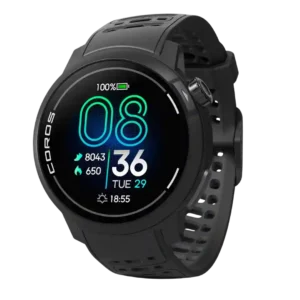
Blood oxygen support was treated as limited because reviewers noted it as more of an on-demand or altitude-oriented feature rather than a deeply used health metric.
Pros: battery life, GPS accuracy
Cons: heart rate accuracy, smartwatch features
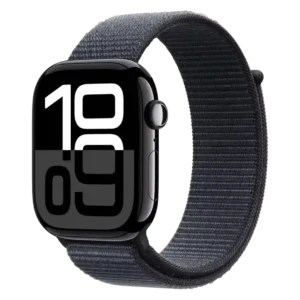
Blood oxygen tracking drew mixed evidence: one updated review said it was available, while several others criticized or noted disabled U.S. availability.
Pros: charging speed, display quality
Cons: battery life, water resistance
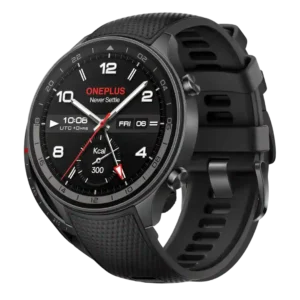
Blood oxygen tracking was available, but one reviewer criticized SpO2 readings as relatively slow.
Pros: battery life, value for money
Cons: companion app quality, charging convenience
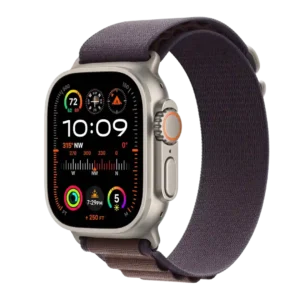
Blood oxygen tracking drew negative evidence in older reviews because patent-dispute availability issues frustrated users who wanted the feature.
Pros: battery life, voice assistant quality
Cons: value for money, mapping and navigation
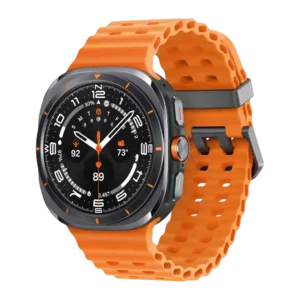
Blood oxygen evidence was limited and negative, with one review finding the overnight readings unusually low versus other wearables.
Pros: battery life, sleep tracking accuracy
Cons: wellness insights, style and design
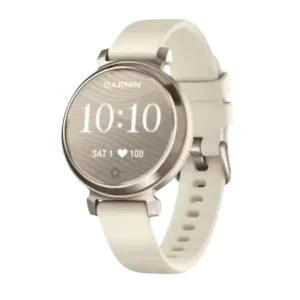
Pulse Ox/SpO2 is treated skeptically, with reviewers warning that it can hurt battery life and produce readings that seem too low.
Pros: battery life, style and design
Cons: sleep tracking accuracy, workout tracking variety
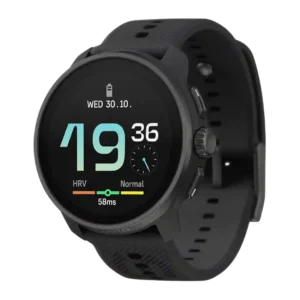
Blood oxygen tracking was only clearly evaluated in one review, and that reviewer called the nighttime SpO2 results poor.
Pros: value for money, battery life
Cons: heart rate accuracy, onboard music storage