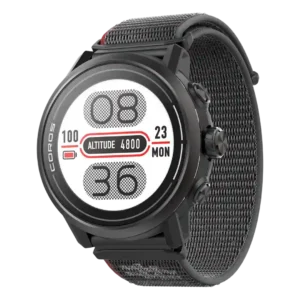
Overall: 3.8/5
Blood oxygen tracking was lightly praised as part of altitude mode, but only one review gave a clear positive judgment.
Pros: value for money, GPS accuracy
Cons: mapping and navigation, onboard music storage

Overall: 3.8/5
Blood oxygen tracking was lightly praised as part of altitude mode, but only one review gave a clear positive judgment.
Pros: value for money, GPS accuracy
Cons: mapping and navigation, onboard music storage
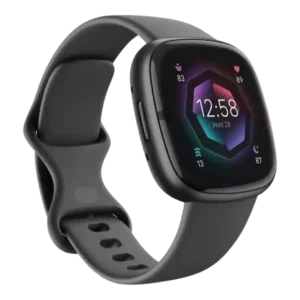
Overall: 3.4/5
Blood oxygen tracking is treated as a useful health metric, especially for overnight monitoring and illness awareness, though the review evidence is limited.
Pros: battery life, stress tracking
Cons: value for money, GPS accuracy
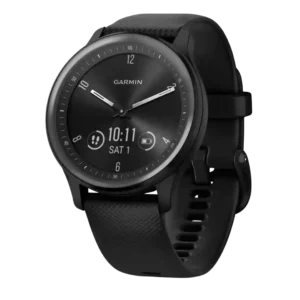
Overall: 3.7/5
Blood-oxygen spot checks looked reasonable in limited testing, though one reviewer noted slightly lower readings and recommended repeating low measurements.
Pros: value for money, style and design
Cons: battery life, display quality
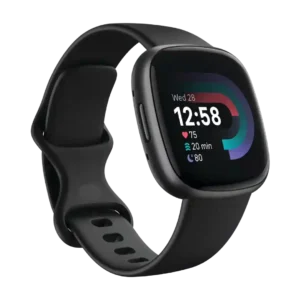
Overall: 3.5/5
Blood oxygen tracking was treated as a useful overnight health signal, but reviewers discussed it as part of broader health-metric packages rather than as a standout feature.
Pros: battery life, GPS accuracy
Cons: value for money, heart rate accuracy
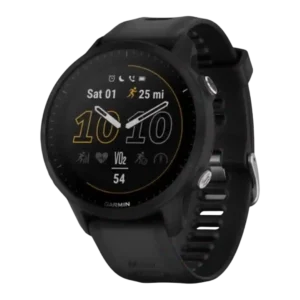
Overall: 4.1/5
Blood oxygen tracking was treated as useful when measured carefully, but movement and battery impact limited confidence.
Pros: GPS accuracy, battery life
Cons: onboard music storage, charging convenience
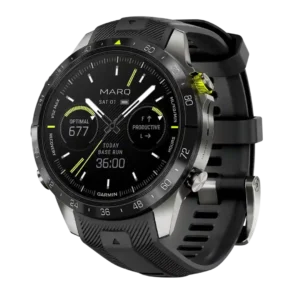
Overall: 4.2/5
Blood oxygen tracking was treated as useful when measured carefully, but reviewers also warned that Pulse Ox can drain battery heavily.
Pros: display quality, battery life
Cons: value for money, smartphone notifications
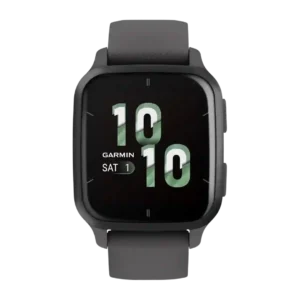
Overall: 3.7/5
Blood oxygen tracking was appreciated, but evidence was split between accurate readings and complaints that on-demand or recorded SpO2 values could run low or odd.
Pros: battery life, display quality
Cons: smartwatch features, style and design
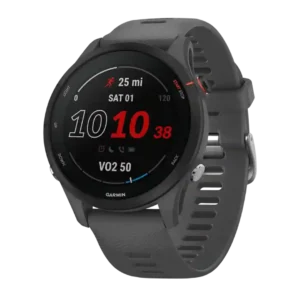
Overall: 4.3/5
Pulse Ox was mixed: one reviewer said still readings can be good, while another warned watch-based SpO2 was not consistent enough to rely on.
Pros: GPS accuracy, battery life
Cons: smartphone notifications, mapping and navigation
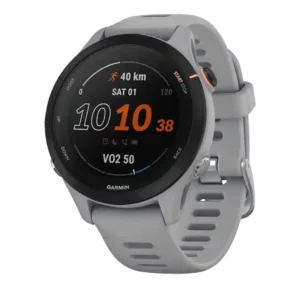
Overall: 4.1/5
Blood oxygen tracking was treated as a battery-heavy feature rather than a standout health tool, with one reviewer recommending disabling continuous monitoring if battery matters.
Pros: value for money, battery life
Cons: menu navigation, user interface
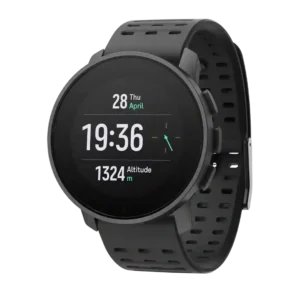
Overall: 3.6/5
Blood oxygen tracking was treated as a weak or inconsistent sensor feature, with reviewers reporting slow measurements, failed readings, or trouble on tattooed skin.
Pros: battery life, GPS accuracy
Cons: value for money, mapping and navigation
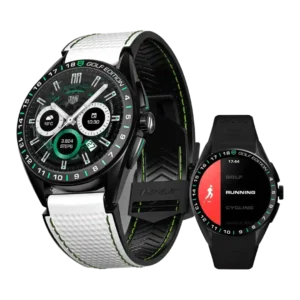
Overall: 4.3/5
Blood oxygen tracking is scored low because reviewers tied the missing sensor to limited serious health insight.
Pros: style and design, battery life
Cons: value for money, heart rate accuracy
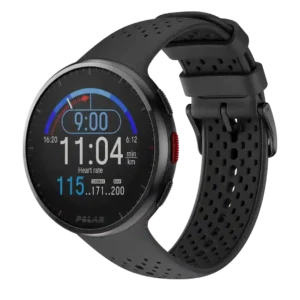
Overall: 3.9/5
Blood oxygen tracking was treated as a notable missing health sensor rather than a working feature.
Pros: GPS accuracy, value for money
Cons: battery life, smartwatch features