Best for blood oxygen tracking
Garmin Lily 2 Active
5.0 attribute score
Highest scored product for this attribute based on supporting review evidence.

Highest scored product for this attribute based on supporting review evidence.
Balances the attribute score, supporting reviews, and overall product strength.
Has the broadest review evidence for this attribute.
Strongest overall product among items with scored evidence for this attribute.

One reviewer was very positive about Pulse Ox readings, saying the watch routinely matched their normal SpO2 range.
Pros: battery life, GPS accuracy
Cons: onboard music storage, mapping and navigation
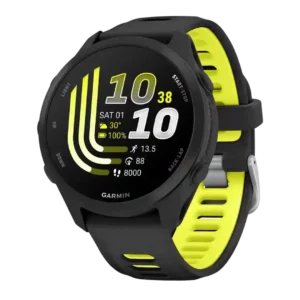
Pulse Ox is considered a meaningful upgrade over the previous entry-level generation and adds depth to overnight health monitoring.
Pros: value for money, battery life
Cons: mapping and navigation, materials quality

Pulse Ox is welcomed as part of the expanded health package, bringing a feature that previously sat above this entry-to-midrange tier.
Pros: value for money, GPS accuracy
Cons: mapping and navigation, third-party app support
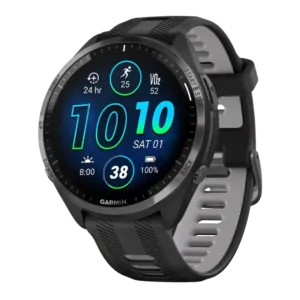
One reviewer found blood oxygen readings close to a pulse oximeter, supporting strong SpO2 tracking confidence.
Pros: battery life, GPS accuracy
Cons: smartwatch features, charging convenience
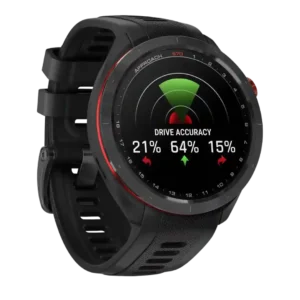
Blood oxygen tracking receives limited but positive usefulness evidence as another health metric the reviewer liked monitoring.
Pros: display quality, value for money
Cons: charging convenience, smartphone notifications
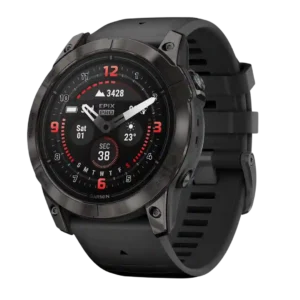
Blood oxygen tracking received limited but positive evidence, with one reviewer reporting readings stayed in the expected range during testing.
Pros: battery life, GPS accuracy
Cons: user interface, fit
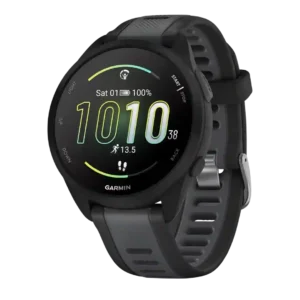
Blood oxygen tracking was treated as a useful extra by reviewers who valued the reassurance, though broader accuracy was not deeply tested.
Pros: value for money, GPS accuracy
Cons: recovery insights, onboard music storage
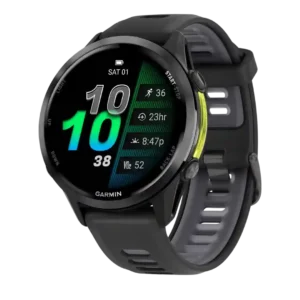
PulseOx-related evidence centered on improved practicality, with one reviewer finding breathing-variation tracking no longer caused a notable overnight battery penalty.
Pros: heart rate accuracy, GPS accuracy
Cons: battery life, value for money
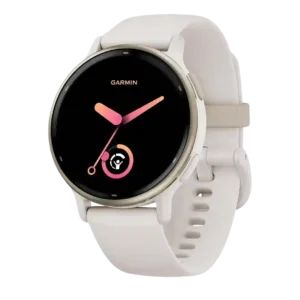
Blood oxygen tracking was treated as part of the watch’s broader accurate health-monitoring package in one review.
Pros: value for money, GPS accuracy
Cons: sleep tracking accuracy, recovery insights
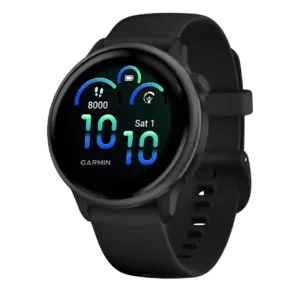
Blood oxygen tracking appears as part of the watch's broader accurate health-monitoring package, but reviewers did not deeply test it as a standalone feature.
Pros: battery life, comfort
Cons: heart rate accuracy, sleep tracking accuracy
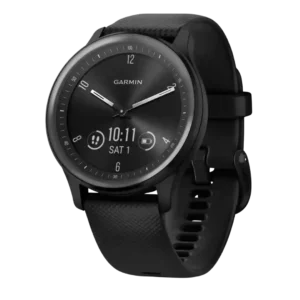
Blood-oxygen spot checks looked reasonable in limited testing, though one reviewer noted slightly lower readings and recommended repeating low measurements.
Pros: value for money, style and design
Cons: battery life, display quality
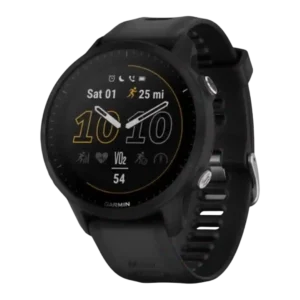
Blood oxygen tracking was treated as useful when measured carefully, but movement and battery impact limited confidence.
Pros: GPS accuracy, battery life
Cons: onboard music storage, charging convenience
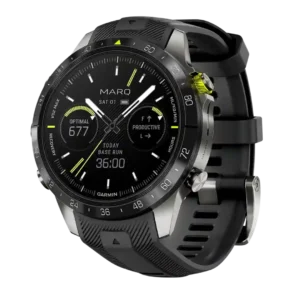
Blood oxygen tracking was treated as useful when measured carefully, but reviewers also warned that Pulse Ox can drain battery heavily.
Pros: display quality, battery life
Cons: value for money, smartphone notifications
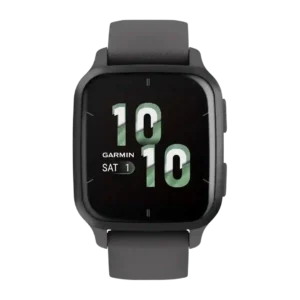
Blood oxygen tracking was appreciated, but evidence was split between accurate readings and complaints that on-demand or recorded SpO2 values could run low or odd.
Pros: battery life, display quality
Cons: smartwatch features, style and design
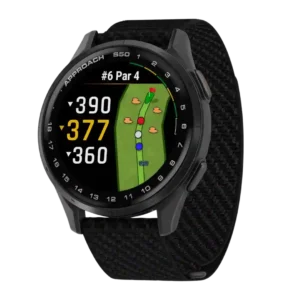
Blood oxygen tracking was viewed as adequate but not cutting edge because reviewers noted the older Gen 4 sensor platform rather than Garmin’s newest hardware.
Pros: value for money, comfort
Cons: fit, band quality
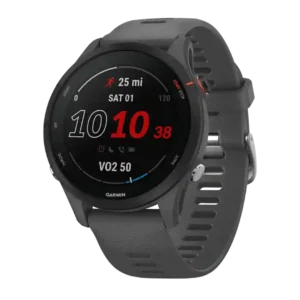
Pulse Ox was mixed: one reviewer said still readings can be good, while another warned watch-based SpO2 was not consistent enough to rely on.
Pros: GPS accuracy, battery life
Cons: smartphone notifications, mapping and navigation
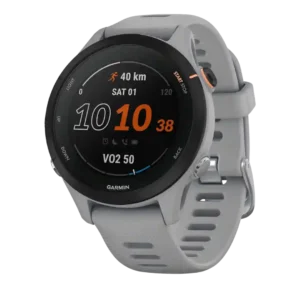
Blood oxygen tracking was treated as a battery-heavy feature rather than a standout health tool, with one reviewer recommending disabling continuous monitoring if battery matters.
Pros: value for money, battery life
Cons: menu navigation, user interface
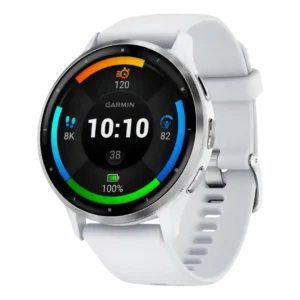
Blood oxygen tracking is weakly supported and mixed-to-negative: reviewers noted battery drain from using it and one scientific test was unimpressed with oxygen saturation measurements.
Pros: battery life, GPS accuracy
Cons: smartwatch features, smartphone notifications
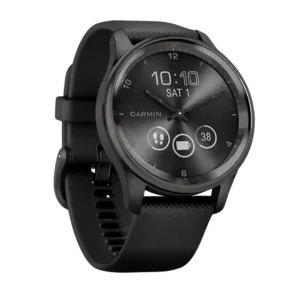
Blood oxygen tracking drew low confidence, with reviewers reporting suspect readings, incomplete overnight capture, and inaccurate low values.
Pros: style and design, charging convenience
Cons: battery life, charging speed
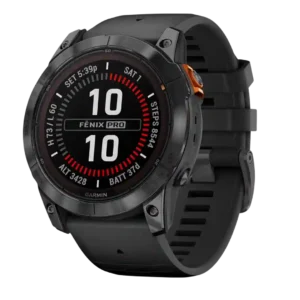
Blood oxygen tracking drew criticism from one reviewer who saw automatic measurements as superfluous and battery-costly.
Pros: battery life, mapping and navigation
Cons: value for money, score tracking
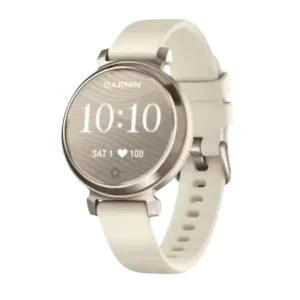
Pulse Ox/SpO2 is treated skeptically, with reviewers warning that it can hurt battery life and produce readings that seem too low.
Pros: battery life, style and design
Cons: sleep tracking accuracy, workout tracking variety