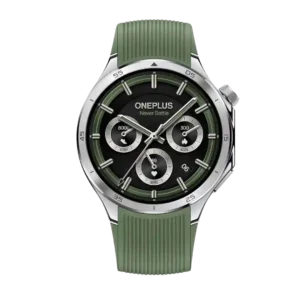
Blood oxygen readings were limited in coverage but strongly positive where tested against reference readings.
Pros: battery life, button controls
Cons: size options, ECG functionality

Blood oxygen readings were limited in coverage but strongly positive where tested against reference readings.
Pros: battery life, button controls
Cons: size options, ECG functionality
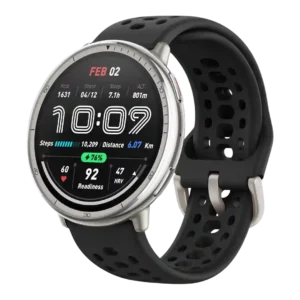
Blood oxygen readings were viewed positively where tested, with one reviewer reporting very small deviations and another calling results accurate enough.
Pros: value for money, battery life
Cons: band quality, button controls
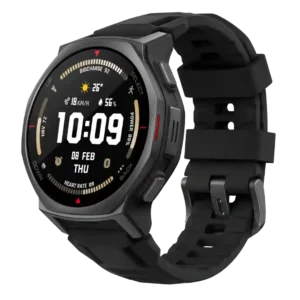
Blood oxygen tracking received limited but positive evidence, with one reviewer saying it matched a comparison watch’s 96 percent reading impressively.
Pros: battery life, value for money
Cons: mapping and navigation, user interface
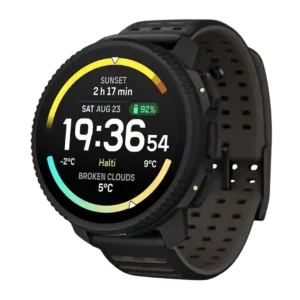
Blood oxygen evidence was limited but positive, tied to a redesigned sensor that improved stability during demanding outdoor use.
Pros: battery life, flashlight usefulness
Cons: companion app quality, onboard music storage
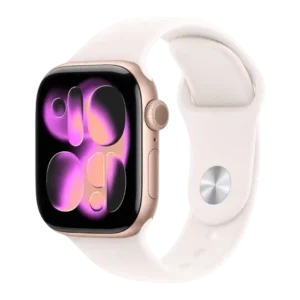
Blood oxygen tracking is treated as a welcome restored capability that makes the watch feel more complete as a health device.
Pros: battery life, value for money
Cons: coaching features, recovery insights
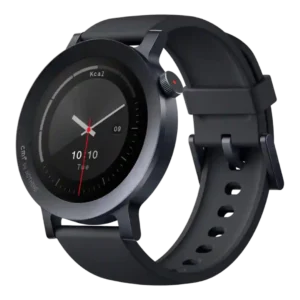
Blood oxygen readings were limited in the review evidence but positive where compared directly, with one user finding pulse-ox results very close to a finger oximeter.
Pros: style and design, value for money
Cons: customization options, companion app quality
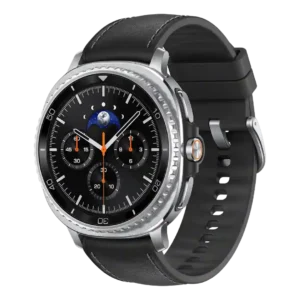
Blood oxygen tracking drew limited but mostly positive evidence, with one reviewer matching an oximeter while another found it weaker during sleep.
Pros: comfort, voice assistant quality
Cons: battery life, antioxidant index
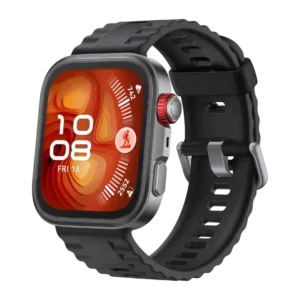
Blood oxygen tracking received limited but positive evidence as part of the BioTracker suite, which one reviewer said handled health vitals admirably.
Pros: battery life, value for money
Cons: third-party app support, onboard music storage
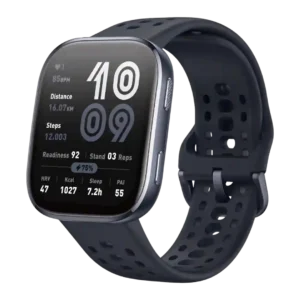
Blood oxygen readings received limited direct evaluation, but TechAdvisor found the data aligned well with other devices.
Pros: value for money, battery life
Cons: voice assistant quality, sleep tracking accuracy
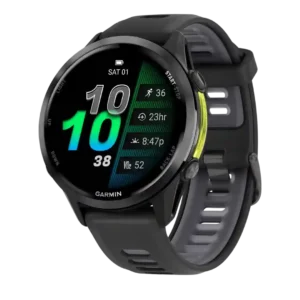
PulseOx-related evidence centered on improved practicality, with one reviewer finding breathing-variation tracking no longer caused a notable overnight battery penalty.
Pros: heart rate accuracy, GPS accuracy
Cons: battery life, value for money
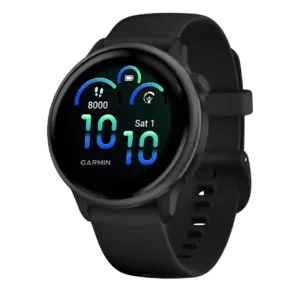
Blood oxygen tracking appears as part of the watch's broader accurate health-monitoring package, but reviewers did not deeply test it as a standalone feature.
Pros: battery life, comfort
Cons: heart rate accuracy, sleep tracking accuracy
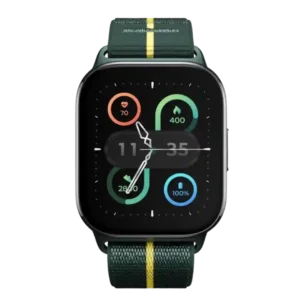
Blood oxygen tracking was treated as part of a basic health suite that appeared to work well in daily use.
Pros: battery life, display quality
Cons: value for money, style and design
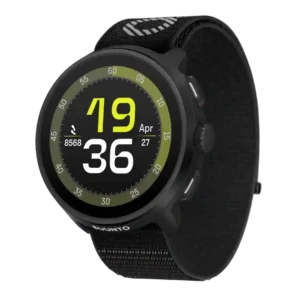
Blood oxygen tracking was mentioned as an advanced capability, but reviewers provided little quality-focused testing beyond noting the sensor support.
Pros: GPS accuracy, battery life
Cons: onboard music storage, charging convenience
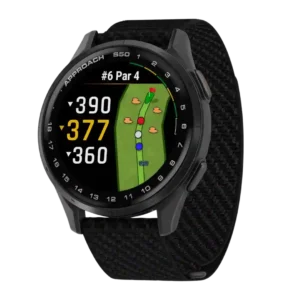
Blood oxygen tracking was viewed as adequate but not cutting edge because reviewers noted the older Gen 4 sensor platform rather than Garmin’s newest hardware.
Pros: value for money, comfort
Cons: fit, band quality
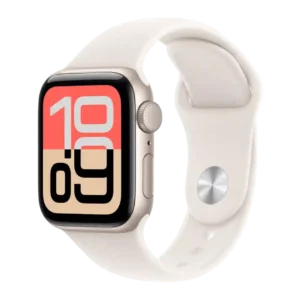
Blood oxygen tracking was consistently treated as a missing premium health feature, with reviewers noting it remains reserved for higher-end Apple Watches.
Pros: display quality, value for money
Cons: ECG functionality, battery life
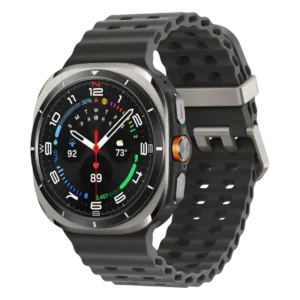
Blood oxygen tracking drew a clear caveat, with one reviewer repeatedly seeing lower SPO2 results than expected from other sensors.
Pros: battery life, display quality
Cons: value for money, antioxidant index