#1
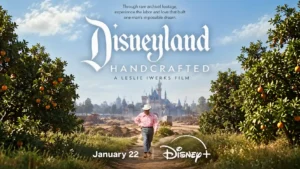
Longer clips and deft transitions let small construction details breathe. The combination of restored footage, broadcast material, and closing speeches is especially effective.
Pros: entertainment value, archival footage quality
Cons: theme depth, runtime
#2
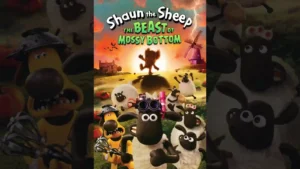
Crisp editing keeps complicated visual gags readable and builds infectious momentum without rushing past background jokes.
Pros: humor, animation quality
Cons: pacing, originality
#3
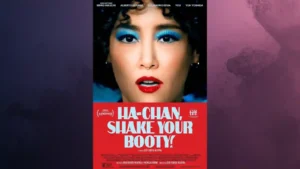
The opening competition is singled out as dazzlingly assembled, using its cutting to heighten the rush of dance before the sudden tragedy.
Pros: lead performance, entertainment value
Cons: story quality, character development
#4
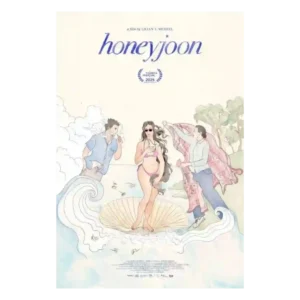
One review singles out the cross-cutting between mother and daughter as the film’s most powerful sequence, using separation to show them exchanging approaches to grief.
Pros: story quality, emotional impact
Cons: originality
#5
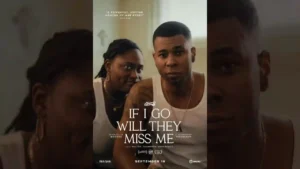
The editing earns specific praise for nimbly moving into the past, letting memory and present-day disappointment illuminate each other.
Pros: theme depth, visual style
Cons: pacing, screenplay quality
#6
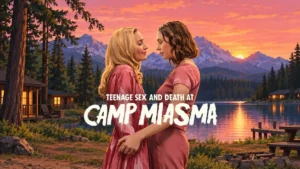
Sharp cuts and inventive transitions give the slasher material extra punch, with the burn-through transition and rapid visual rhythm singled out as especially effective.
Pros: genre satisfaction, theme depth
Cons: plot clarity, ending satisfaction
#7
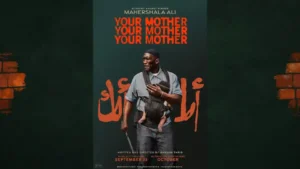
The editing is singled out as fluid and supportive of the film’s momentum. It keeps the action readable rather than reducing fights to a blur of cuts.
Pros: lead performance, action sequences
Cons: plot clarity, pacing
#8

Sharp reaction shots and increasingly layered reconstructions turn a sprawling, confusing experience into an engaging narrative. The deliberate selectivity of editing also becomes part of the subject.
#9
Editing is praised for economy, sharp rhythm, and knowing when to linger versus strike suddenly. Reviewers credit the cutting with helping the slow burn stay destabilizing.
Pros: acting performance, scares
Cons: screenplay quality, world-building
#10
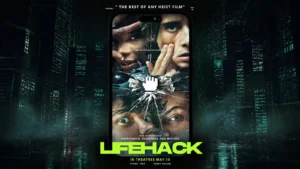
Editing is one of the clearest strengths, using rapid cuts, layered windows, and shifting focus to keep dense digital action legible and propulsive rather than static.
Pros: entertainment value, suspense
Cons: character development, audience appeal
#11

Quick cuts and rhythmic montages make piano tuning and safecracking lively. A few find the technique busy or intrusive.
Pros: entertainment value, acting performance
Cons: plot originality, ending satisfaction
#12
The editing creates sharp shifts between open-space unease and claustrophobic danger while keeping the story compact. Its timing helps uncertainty linger whenever a familiar face appears.
Pros: acting performance, chemistry between characters
Cons: originality, pacing
#13
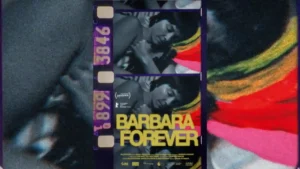
Precise montage and the careful pairing of recordings with images are among the film’s strongest assets. The assembly is repeatedly praised even when the overall structure attracts criticism.
Pros: directing quality, archival footage quality
Cons: Biographical coverage
#14

Carefully timed text, images, and musical cues give the research sequences accumulating momentum. The editing controls each discovery without making static pages feel lifeless.
Pros: Atmosphere, cinematography
Cons: audience appeal
#15

The editing often stretches scenes and comic beats to match the languor of the golf course. Some critics admire that deliberate rhythm even when the film’s overall slowness remains divisive.
Pros: visual style, directing quality
Cons: pacing, audience appeal
#16

Fast, allusive editing keeps much of the movie charged and often heightens the final act’s tension. The cut also helps fuse broadcast footage, surveillance imagery, and stylized fiction into one...
Pros: lead performance, visual style
Cons: theme depth, story quality
#17
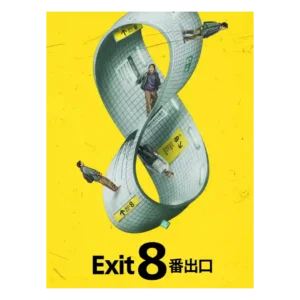
Seamless loops, hidden cuts, brisk transitions, and perspective changes make the corridor feel physically continuous while preventing the structure from becoming completely static.
Pros: story quality, theme depth
Cons: pacing
#18
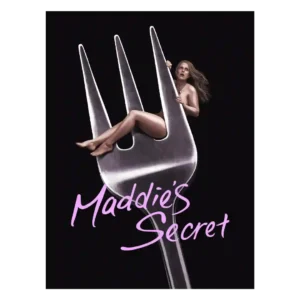
Precise, energetic cutting strengthens the dance and binge-eating sequences, making them emotionally forceful and visually inventive. The editing is among the craft elements praised even in mixed assessments.
Pros: lead performance, tonal consistency
Cons: audience appeal, entertainment value
#19
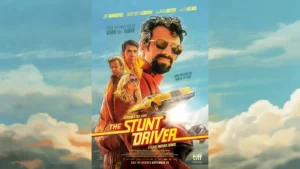
The transitions between documentary footage, recreations, and different aspect ratios are widely admired. Reginald Harkema’s work helps old and new material feel unusually cohesive.
Pros: lead performance, supporting cast performance
Cons: story quality, character development
#20

Most praise the fluent assembly of readings, interviews, photographs, and historical footage. One critic wishes the film would linger longer on readers before cutting to nature imagery.
Pros: directing quality, interview quality
#21

The shifting archive makes decades feel painfully adjacent, with cuts that dramatize how abruptly life changes. One critic finds occasional cross-cutting clumsy and repetition unnecessary.
Pros: emotional impact, theme depth
#22
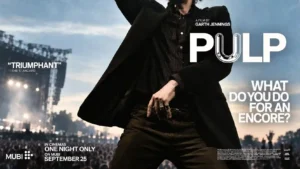
The strongest edits let old memories reshape the meaning of current performances, with fluid cuts across decades. A few accounts find the alternation cluttered or too quick to leave interesting...
Pros: soundtrack quality, Biographical coverage
Cons: band member coverage, Biographical fairness
#23
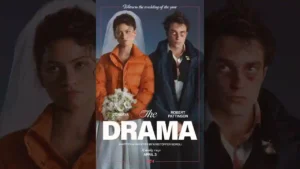
Editing is among the film’s strongest consensus positives. Rapid cuts, flashbacks, fantasies, and time shifts are often praised for creating tension and comedy, though a few find the technique overused.
Pros: humor, theme depth
Cons: character development, screenplay quality
#24
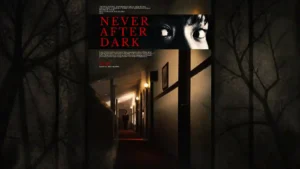
Editing receives praise for purposeful staging and for keeping the storytelling free of dead spots. Its construction helps make the later shifts in danger legible.
Pros: directing quality, scares
#25
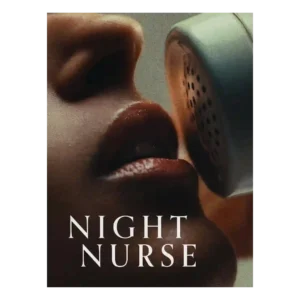
The patient, elliptical editing strengthens the dreamy intimacy and lets discomfort accumulate gradually. That same restraint can also make the film feel overly suspended and slow.
Pros: visual style, supporting cast performance
Cons: story quality, character development
#26
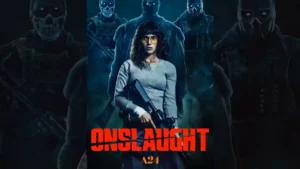
Editing is generally a strength, from the eye-catching opening style to slick cutting that helps sell the film’s chaotic momentum.
Pros: lead performance, entertainment value
Cons: action sequences, ending satisfaction
#27
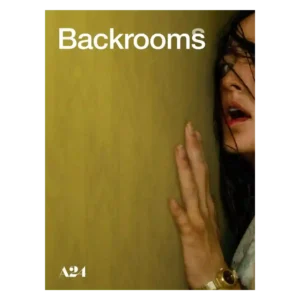
The editing helps move between polished cinematic framing and unstable found-footage passages while preserving disorientation. It is credited as part of the film’s distinctive overall craft.
Pros: acting performance, scares
Cons: ending satisfaction, plot clarity
#28
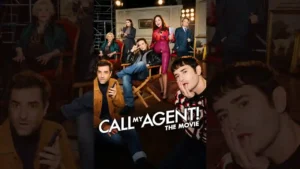
Brisk cutting complements the high-energy performances and polished widescreen photography.
Pros: celebrity cameos, humor
Cons: pacing, ensemble balance
#29
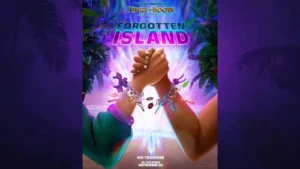
Music-synchronized cuts and music-video-like passages give the film a rhythmic editing style that suits its restless, mixtape-like energy.
Pros: animation quality, visual style
Cons: pacing, character development
#30
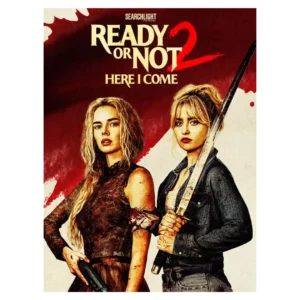
The editing receives specific praise for smoothly blending the first movie’s ending into the sequel’s opening and creating a faux-continuous transition. Elsewhere, continuity-style nitpicks temper that positive impression.
Pros: entertainment value, action sequences
Cons: character development, genre satisfaction
#31
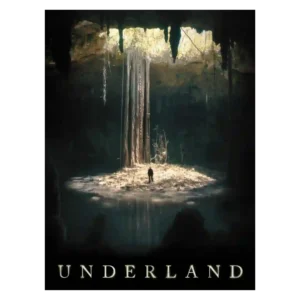
The cross-cutting often creates elegant visual and thematic links among Mexico, Las Vegas, and Canada. Some critics found the transitions seamless, while others felt the constant switching weakened immersion in...
Pros: directing quality, story quality
Cons: runtime, screenplay quality
#32
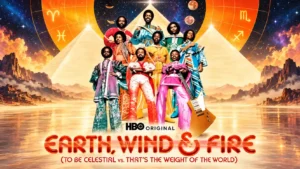
The editing often matches the music’s energy while making technical detail engaging and clear. Frequent commentary breaks frustrate a critic who wants more time with complete performances.
Pros: directing quality, soundtrack quality
Cons: originality
#33

The interwoven diary, DV footage, present-day scenes, and imagined past are often assembled with impressive flow, although one tonal transition divided opinion.
Pros: lead performance, emotional impact
Cons: pacing, plot clarity
#34
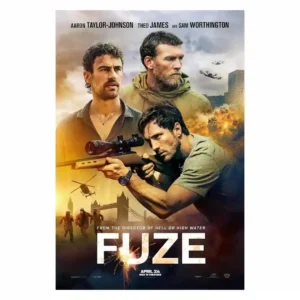
Rapid cross-cutting among simultaneous events is one of the film’s clearest technical strengths, though the hyperactive style occasionally feels like a substitute for character depth.
Pros: entertainment value, pacing
Cons: ending satisfaction, screenplay quality
#35
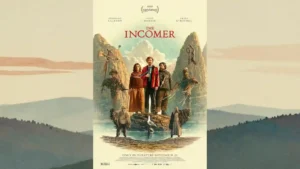
Editing choices are used effectively for comic timing and tension, especially concise cuts and focal-length-driven sequences. The craft is stronger than the screenplay’s repetitive stretches.
Pros: humor, acting performance
Cons: tonal consistency, pacing
#36
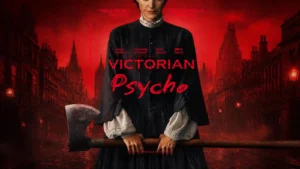
The murder sequences can be elegantly and amusingly cut, giving the violence comic snap. Later, more frantic editing is more divisive, though its escalating intensity is still seen as purposeful.
Pros: genre satisfaction, lead performance
Cons: ending satisfaction, screenplay quality
#37
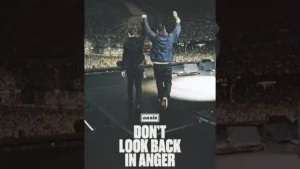
Editing is often praised as subtle, snappy, and effective at moving between eras, cities, performers, and fans. Some reviewers push back when the cut leans too heavily on crying crowds...
Pros: emotional impact, audience appeal
Cons: story quality, pacing
#38
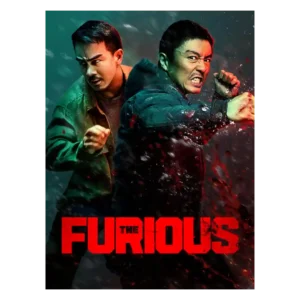
Editing is generally clear and rhythmic, letting completed moves land instead of hiding them behind frantic cuts. The sped-up look of the final fight is a rare visual misstep.
Pros: action sequences, lead performance
Cons: dialogue quality, story quality
#39

Timeline shifts and aspect-ratio transitions are often praised for clarity and momentum; one negative review finds the flashback cutting disorienting and over-explanatory.
Pros: lead performance, story quality
Cons: runtime, tonal consistency
#40
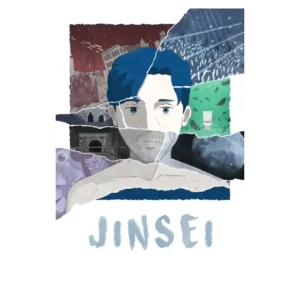
The rapid montages and precise visual transitions are among the film’s strongest achievements. Elsewhere, abrupt jump cuts can feel heavy-handed and contribute to the fragmented structure.
Pros: animation quality, visual style
Cons: story quality, plot clarity
#41
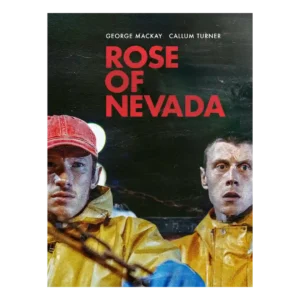
Rapid inserts, match cuts, flash frames, and repeated images make past and present bleed together with hypnotic force. The same method can feel overextended when the film lingers on fishing...
Pros: sound design, visual style
Cons: plot clarity, pacing
#42
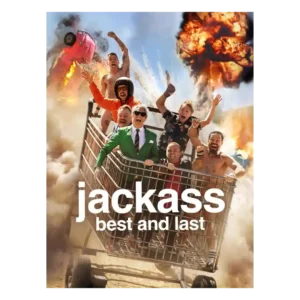
The old-new intercutting often creates an effective nostalgic rhythm, and brisk cutting keeps the grossest moments moving. The same structure can also feel padded, choppy, or overly dependent on recycled...
Pros: entertainment value, emotional impact
Cons: originality, action sequences
#43
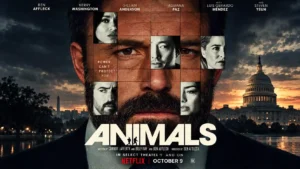
The brisk cutting and campaign montages receive specific praise. The opening and closing montages can be more effective than the dramatic scenes between them.
Pros: supporting cast performance, casting quality
Cons: entertainment value, screenplay quality
#44
Editing gets sharply split reactions. Some praise clean, generous cutting, while another critic says frequent cuts prevent viewers from fully appreciating the choreography.
Pros: dance choreography, cultural representation
Cons: plot originality, romance quality
#45
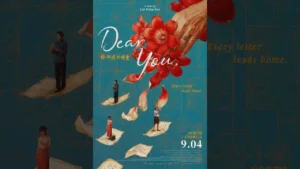
The intertwined timelines mostly transition smoothly, allowing old revelations to reframe the present. Some abrupt leaps and a shifting protagonist leave other stretches less satisfying.
Pros: emotional impact, cultural representation
Cons: score quality, character development
#46
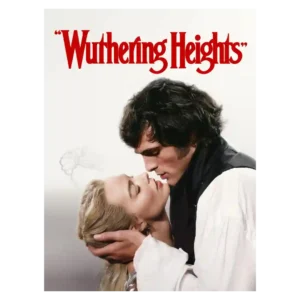
Editing earns mostly positive notice where discussed, including tight pacing within individual passages and bold montage or cutting choices.
Pros: visual style, production design
Cons: romance quality, faithfulness to source material
#47
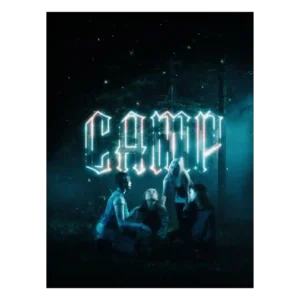
Analog memory fragments and abrupt transitions place the viewer inside Emily’s unstable headspace. The approach can be disorienting, but it gives past trauma a strong visual presence.
Pros: visual style, cinematography
Cons: pacing, ending satisfaction
#48
The editing helps organize rapid shifts between action, flashbacks, and surreal imagery, though the stop-start structure and long detours make the overall flow feel uneven to some reviewers.
Pros: entertainment value, humor
Cons: message quality, runtime
#49
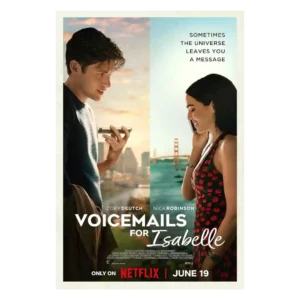
The early chop-chop editing gives the kitchen scenes energy, strengthens jokes, and mirrors Jill’s frantic routine. Momentum becomes less consistent once the central deception takes over.
Pros: story quality, emotional impact
Cons: plot originality, pacing
#50
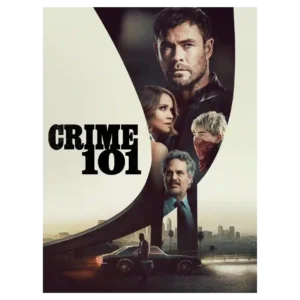
The best notices praise fluid cross-cutting, clear geography, and smooth handling of multiple storylines. The main criticism is that the film still feels overlong, with some editors wishing the same...
Pros: action sequences, genre satisfaction
Cons: originality, runtime
