
Overall: 4.3/5
Open moral questions, the mythology, and the relation between private crime and public violence make this fruitful discussion material.
Pros: Political context depth, cinematography
Cons: pacing, originality

Overall: 4.3/5
Open moral questions, the mythology, and the relation between private crime and public violence make this fruitful discussion material.
Pros: Political context depth, cinematography
Cons: pacing, originality
Overall: 4.0/5
The clash between personal freedom, family obligation and manipulative belonging gives viewers substantial moral questions to discuss afterward.
Pros: acting performance, lead performance
Cons: writing quality, Narrative structure

Overall: 4.6/5
Questions of responsibility, coercion, forgiveness and systemic blame make this a compelling film to debate after viewing.
Pros: Final confrontation, story quality
Cons: Narrative structure, film framing

Overall: 4.6/5
The film raises uncomfortable questions about parenting, legal justice and the obligations of witnesses. It is especially suitable for a group prepared to discuss those choices afterwards.
Pros: lead performance, acting performance
Cons: rewatch value, Character decision plausibility
Overall: 4.4/5
The ideas about capitalism, dignity, disability and connection invite sustained discussion and reflection.
Pros: friendship portrayal, message quality
Cons: Exposition quality, ensemble balance

Overall: 3.1/5
The story offers families a natural opportunity to discuss kindness, giving and the responsibility that comes with success.
Pros: acting performance, message quality
Cons: story quality, entertainment value

Overall: 3.2/5
The bank-robbing premise raises conversations about inequality, crime, and whose actions count as justified, even if its answers are incomplete.
Pros: entertainment value, cast chemistry
Cons: message quality, character development

Overall: 3.8/5
The film gives families approachable openings to talk about bullying, assumptions, fairness and the repair of sibling relationships. Its characters are imperfect enough to support meaningful discussions.
Pros: story quality, family dynamics
Cons: originality, animation quality

Overall: 3.0/5
The themes of courage, mentorship, bullying and vulnerability provide useful material for family conversations, particularly about where Jake's advice succeeds and falls short.
Pros: Mentorship portrayal, emotional impact
Cons: lead performance, story quality
Overall: 4.1/5
The unresolved motives and shifting testimony offer plenty to debate after the credits.
Pros: Financial betrayal exploration, story quality
Cons: pacing, biographical depth

Overall: 3.0/5
The film’s themes of hope, duty, and kindness make it useful for discussion with older children and teens.
Pros: lead performance, Vocal characterization
Cons: Biographical coverage, emotional impact

Overall: 2.6/5
The questions of loyalty, moral choices and action violence provide material for families to discuss with older teens afterward.
Pros: action sequences, lead performance
Cons: entertainment value, faithfulness to source material

Overall: 4.7/5
Ambiguous motives and different possible readings make the film particularly rewarding to talk through afterward. The ideas keep unfolding beyond the screening.
Pros: class commentary, character development

Overall: 4.6/5
Its questions about parenting, filming, and grief make it a strong choice for thoughtful conversation afterward.
Pros: emotional impact, theme depth
Overall: 3.8/5
A particularly good match for discussion fans, thanks to the dinosaur action, energetic atmosphere, and family-centered thrills.
Pros: entertainment value, acting performance
Cons: character development, writing quality

Overall: 4.5/5
The challenging family choices and mature ideas invite conversation after the film. Families comfortable with the intensity can use it to discuss grief, courage, and growing up.
Pros: animation quality, practical effects quality
Cons: originality, runtime

Overall: 4.7/5
Unresolved motives, disputed memories, and formally adventurous reenactments practically invite a long conversation afterward. The shifting sense of truth is central to the appeal.
Pros: originality, humor
Overall: 3.9/5
The film opens up questions about collective action, competing needs and who gets heard within a movement, offering plenty to debate afterward.
Pros: lead performance, character development
Cons: writing quality, sentimental treatment

Overall: 3.0/5
The competing identities, symbolic imagery, and sharply divided reactions make this fertile conversation material. It can remain interesting to debate even when the movie itself frustrates.
Pros: acting performance, lead performance
Cons: directing quality, entertainment value
Overall: 3.8/5
Shared viewing followed by conversation is a particularly strong fit. Competing interpretations of parenting, tolerance, and the ending give groups plenty to debate.
Pros: theme depth, lead performance
Cons: message quality, character development

Overall: 4.3/5
Its uncertain reality and unresolved ending encourage substantial conversation. There is room to debate both what happens and how its visual language expresses mourning.
Pros: Grief portrayal, ending satisfaction
Cons: plot clarity, pacing

Overall: 3.7/5
The film invites reflection on whether an artist can borrow another person’s private suffering, leaving plenty to debate after it ends.
Pros: Creative process insight, Filming ethics
Cons: Narrative structure, emotional impact

Overall: 4.1/5
The film provides ample material for conversations about masculinity, shame, self-worth, and the appeal of cosmetic change. Its open-ended approach can stimulate reflection even where answers remain incomplete.
Pros: Masculinity portrayal, directing quality
Cons: Medical industry scrutiny, Gore-sensitive viewing
Overall: 4.3/5
Questions about home, grief, political co-option, and history give viewers plenty to discuss afterward. Even a mixed response can lead to interesting conversations.
Pros: acting performance, lead performance
Cons: plot clarity, entertainment value

Overall: 3.1/5
The film can prompt substantial discussion about sacrifice, leadership, enemy dignity, and the lives consumed by war. A discussion afterward is particularly valuable when older teens watch.
Pros: action sequence quality, acting performance
Cons: character development, message quality
Overall: 4.1/5
Questions about reality, hallucination, and the ending encourage discussion after the film. The ambiguity gives viewers something to unpack rather than a single tidy explanation.
Pros: acting performance, lead performance
Cons: pacing, story quality

Overall: 2.4/5
Parenting choices, genetic enhancement, sacrifice and imperfect human value offer substantial discussion topics even when the drama underdelivers.
Pros: lead performance, visual style
Cons: emotional impact, directing quality

Overall: 3.5/5
The film’s self-sabotage, industry barriers, and difficult choices can sustain conversation after viewing. Enthusiastic viewers describe continuing to think and talk about it.
Pros: lead performance, acting performance
Cons: character development, writing quality

Overall: 4.0/5
Questions of police oversight, public trust, and professional responsibility give the film clear value for discussion. The investigation is intended to leave social and moral issues open for consideration.
Pros: lead performance, directing quality
Cons: originality, pacing

Overall: 4.1/5
The film offers substantial discussion material about social media, teenage self-harm, and the support grieving families need. These questions extend beyond the immediate search.
Pros: Grief portrayal, cinematography
Cons: pacing

Overall: 3.2/5
The final choice invites debate about which version of a loved one deserves loyalty. It offers a clear starting point for discussing grief, attachment, and uncomfortable moral compromises.
Pros: lead performance, acting performance
Cons: AI portrayal, emotional impact
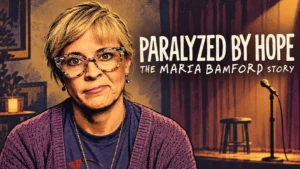
Overall: 4.2/5
The personal material opens useful conversations about mental health and the role comedy can play in discussing it.
Pros: lead performance, humor
Cons: originality, audience appeal

Overall: 4.4/5
The competing ideas about guilt, friendship and power provide substantial material to unpack afterward. The film also leaves room to debate how far sympathy should extend to its protagonists.
Pros: acting performance, lead performance
Cons: narrative repetition, ensemble balance

Overall: 4.5/5
The film opens conversations about diaspora memory, families separated by work, women’s labor and the politics of cultural identity. Its historical omissions can make that discussion richer.
Pros: emotional impact, cultural representation
Cons: score quality, character development

Overall: 4.2/5
The ethical clash over public disclosure and a community's responsibilities provides rich material for reflection, even if a few critics want it explored further.
Pros: acting performance, lead performance
Cons: editing quality, directing quality

Overall: 3.8/5
The questions of complicity, trust, love, and responsibility offer substantial material for conversation. The absence of easy moral answers is part of the appeal.
Pros: story quality, acting performance
Cons: Narrative structure, writing quality

Overall: 4.2/5
Questions about who decides for a vulnerable loved one give the film considerable discussion value. One dissenting view finds its provocation more ambitious than its substance.
Pros: acting performance, supporting cast performance
Cons: Narrative structure, ending satisfaction

Overall: 3.5/5
The unanswered questions offer plenty to discuss about identity, reality, and invention. That appeal depends on enjoying interpretation even when the immediate resolution feels frustrating.
Pros: acting performance, lead performance
Cons: pacing, writing quality

Overall: 3.7/5
The film offers substantial material for discussing risk, parental responsibility, labor inequality, and the ethics of recording tragedy. Its unanswered questions can prompt a richer conversation than the climb alone.
Pros: cinematography, Grief portrayal
Cons: theme depth, film framing
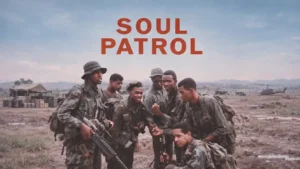
Overall: 4.5/5
The soldiers’ competing feelings about military duty, injustice, and the meaning of the war make the film a strong starting point for serious conversation.
Pros: Historical preservation, historical reenactments
Cons: Documentary scope, political perspective balance

Overall: 4.3/5
Questions about staging, visual truth, representation, and how photographs influence culture give families and groups plenty to discuss after the film.
Pros: Creative process insight, biographical depth
Cons: Biographical fairness, Documentary objectivity

Overall: 3.1/5
The unsettled ending and questions about creative ambition give the film plenty to debate. It suits viewers who enjoy discussing an ambiguous story afterward.
Pros: acting performance, directing quality
Cons: story quality, writing quality

Overall: 4.1/5
The intersecting questions of queer history, memory and artistic expression give viewers substantial material to discuss.
Pros: celebrity cameos, emotional impact
Cons: pacing, character development

Overall: 3.5/5
The family story and psychic-narwhal scene can prompt discussion about selflessness, wisdom and values. One faith-focused recommendation suggests using those moments for parent-child conversation.
Pros: humor, lead performance
Cons: pacing, story quality

Overall: 3.0/5
Its mix of entertaining fragments and baffling decisions offers more to discuss than a merely boring film, even for a frustrated viewer.
Pros: animation quality, faithfulness to source material
Cons: entertainment value, humor