Choose it for daring psychosexual weirdness, magnetic lead performances, and lush, claustrophobic imagery. Skip it if you need clear motives, believable plotting, steady suspense, or a fully satisfying ending.
Best for
Best for adventurous arthouse viewers who enjoy slow psychosexual thrillers, taboo power dynamics, expressive visual storytelling, and films that privilege atmosphere over explanation.
Not for
Skip it if you want a realistic nursing-home story, a propulsive crime plot, explicit erotic content, clear character psychology, or a neatly resolved thriller.
Verdict
Night Nurse is a boldly conceived, visually assured erotic thriller whose strongest pleasures come from mood rather than plot. Cemre Paksoy and Bruce McKenzie give the film a compellingly unstable center, while Lidia Nikonova’s close, painterly cinematography and the eerie score turn a modest retirement community into a seductive limbo. Its inversion of caregiver-patient power, phone-scam intimacy, and need-to-be-needed psychology feel genuinely original. The tradeoff is a skeletal screenplay that withholds so much motivation that mystery often becomes vacancy. The glacial pacing, questionable logic, and rushed or overextended final act further divide reactions. For adventurous arthouse viewers, the film’s transgressive atmosphere and performances may be difficult to shake; for anyone expecting a propulsive crime story or explicit erotic thriller, it is likely to feel thin, awkward, and frustrating.
The film’s hazy, sterile, dreamlike look is one of its defining achievements, blending sensual close-ups with claustrophobic compositions and timeless spaces. That same aesthetic can feel alienating and emotionally cold.
Bruce McKenzie receives especially strong praise for balancing charm, danger, ambiguity, and vulnerability as Douglas. The wider supporting cast is generally solid, though a few critics find some roles bland or underused.
lead performance: 4.4, 15 reviews, moderate consensus
Cemre Paksoy is widely praised for a layered, largely silent performance that makes Eleni’s surrender, obsession, and instability palpable. A minority find the repeated stares too languid to compensate for the underwritten role.
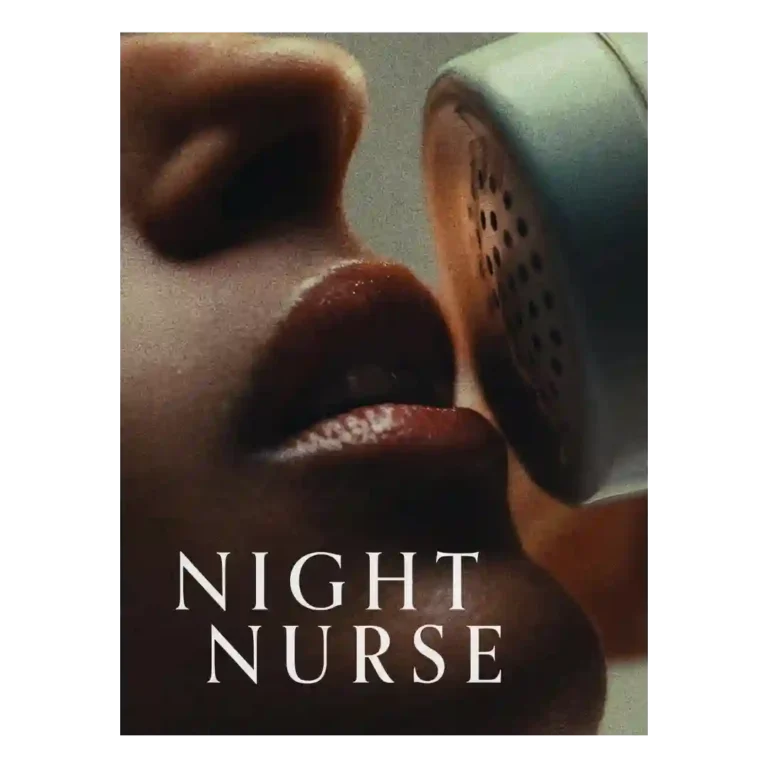
The close, painterly camerawork is a standout, using shadows, waxy textures, shallow focus, and intimate framing to turn the retirement community into a sensual dreamspace. Even negative reactions often admire the visual craft.
The phone-scam relationship and inverted caregiver-patient power dynamic give the plot a fresh foundation. Its construction is more unusual than conventionally tight.
The eerie jazz and spacious piano score adds elegance, decadence, and sustained tension to the dreamlike mood. One dissenting view finds it overused and enervating because its motifs vary too little.
The premise is bold and the central relationship can be compelling, but the story is deliberately slight and often feels underdeveloped. Strong atmosphere and performances carry more weight than narrative progression.
character development: 2.4, 15 reviews, low consensus
Eleni and Douglas are intriguing as opaque figures, but their motives and histories remain frustratingly thin for many viewers. The mystery feels hypnotic to some and emotionally vacant to others.
This is a deliberately niche film for viewers comfortable with slow, dreamlike, sexually uncomfortable arthouse thrillers. Its strange wavelength, age-gap dynamic, and loose logic are likely to alienate mainstream audiences.
As an erotic psychological thriller, it succeeds through mood, taboo power dynamics, and unease rather than sex, twists, or conventional suspense. Viewers expecting a faster or more explicit thriller may feel misled.
The glacial slow-burn rhythm supports the hypnotic atmosphere but frequently tests patience. Several critics feel the film drifts, repeats its mood, and fails to accelerate when the story finally turns dangerous.
The basic scam premise is easy to understand, but character motives, logistics, and cause-and-effect are often left vague. Some embrace the dream logic, while others see major holes and unexplained leaps.
McKenzie is widely praised for making Douglas charming, dangerous, seductive, and difficult to read. Even mixed reactions credit his control and mischief, though one critic doubts the character’s cult-like pull.
Paksoy’s largely silent lead performance is repeatedly called layered, haunting, and star-making, with her face and body carrying Eleni’s obsession. A few critics find the stares too languid for such a thinly written character.
Nikonova’s painterly, waxy cinematography is among the film’s most consistently praised achievements. Her close framing, shadows, and sensual movement turn limited locations into a hypnotic visual world.
Clapp’s eerie, spacious score adds tension, elegance, and decadence to the film’s trance-like mood. One dissenting view finds the music overused and insufficiently varied.
Jackson’s eerie, spacious score adds tension, elegance, and decadence to the film’s trance-like mood. One dissenting view finds the music overused and insufficiently varied.
Bernstein’s debut announces a bold atmospheric filmmaker with strong control of imagery, tone, and performance. Her writing is more divisive, especially around character motivation, narrative logic, and the final act.
Compared with other Movies, this product is above average in originality, critic appeal, drama quality, near average in supporting cast performance, visual style, below average in message quality, realism, violence level.
Products reviewers directly compared with this model, grouped into quick takeaways.
Carrie
Similar: opening dread and visual uneaseIts immediate sense of wrongness recalls the unsettling opening mood of Carrie.
Compulsion
Similar: failed Lynchian-style executionThe reviewer unfavorably associates its attempted surrealism with Compulsion.
Crash
Similar: psychosexual boldnessIts transgressive psychosexual tone is favorably placed near Crash and Secretary.
FAQ
Is Night Nurse scary?
It is more unsettling than traditionally scary. The film builds dread through voyeuristic framing, psychological manipulation, and uncomfortable intimacy rather than jump scares or sustained horror action.
Is Night Nurse sexually explicit?
No. It has strong psychosexual tension and taboo power dynamics, but very little nudity and almost no conventional sex; the erotic charge comes from control, breath, phone calls, and caregiving.
Are the performances good?
Cemre Paksoy and Bruce McKenzie are the clearest consensus strengths, praised for carrying difficult, sparse material with stillness, charm, danger, and ambiguity. Reactions to the wider ensemble are more mixed.
Is the plot easy to follow?
The phone-scam setup is clear, but motivations and logistics are intentionally vague. Viewers who enjoy dream logic may find that intriguing, while others may see major gaps in character development and cause-and-effect.
Is Night Nurse fast-paced?
No. It is a glacial 95-minute slow burn that favors atmosphere and lingering images over plot movement, and several critics felt it dragged despite the short runtime.
Sample Expert Reviews We Analyzed
These are a few of the reviews included in our analysis.
Choose this inventive, unsettling documentary for fearless questioning, dark humor, and unpredictable storytelling. Skip it if you want a short, straightforward exposé with definitive answers.
Best for a hypnotic, bookish mystery with tactile visuals and cerebral chills. Skip it if reading-heavy, attention-demanding storytelling sounds more exhausting than exciting.
Best for an intimate, searching documentary that rewards focused attention and invites discussion. Skip it when devastating grief, addiction footage, and unresolved family tensions would be too much.
Best for patient suspense, an unforgettable score, and an unsettling masked killer. Skip it for very young children or if you want to avoid intense scares; its restrained kills also...