
If you want better plot originality
Choose Rose of Nevada. It scores 5.0 vs 4.3 for plot originality, with a 4.5 overall score.

Graphic late-film violence includes forced tooth pulling, bloody wounds, killings, and an axe strike to the face; the ghost imagery is also intense and grotesque.
Choose it for stylish, atmospheric J-horror, strong performances, tactile effects, and a bold late turn. Skip it if you need fast pacing, frequent scares, or a tightly simple final act.
Best for patient J-horror and haunted-house fans who value atmosphere, practical craft, character focus, and unusual supernatural rules over nonstop jump scares.
Less suited to viewers who want fast pacing, frequent scares from the opening minutes, or a simple final act with every supernatural idea fully explained.
Never After Dark turns a familiar haunted-house setup into a patient, tactile ghost story built on strong visual craft and a distinctive supernatural rulebook. Moeka Hoshi’s controlled lead performance, the reflective cinematography, practical effects, sound design, and production design give the isolated hotel real presence. The film’s biggest strength is how confidently it shifts from eerie procedural mystery into a harsher, more physical final stretch without fully abandoning its emotional core. That patience is also the main tradeoff: several reviewers found the first hour too slow, and a few thought the late plotting became convoluted or less satisfying. For viewers comfortable with deliberate J-horror rhythms, the atmosphere and payoff are the stronger story.
View all 39 feature scores and cast & creators
Compared with other Movies, this product is above average in screenplay quality, tonal consistency, realism, near average in acting performance, practical effects quality.
| Attribute | This product | Category average | Difference |
|---|---|---|---|
| screenplay quality | 5.0 | 2.9 | +2.1 |
| tonal consistency | 5.0 | 3.3 | +1.7 |
| realism | 5.0 | 3.4 | +1.6 |
| plot originality | 4.3 | 2.9 | +1.4 |
| editing quality | 5.0 | 3.5 | +1.5 |
| violence level | 4.5 | 3.1 | +1.4 |
| makeup quality | 5.0 | 3.6 | +1.4 |
| suspense | 4.8 | 3.8 | +1.0 |
Choose Rose of Nevada. It scores 5.0 vs 4.3 for plot originality, with a 4.5 overall score.
Choose Your Mother Your Mother Your Mother. It scores 4.8 vs 4.2 for emotional impact, with a 4.5 overall score.
Choose The Incomer. It scores 5.0 vs 4.0 for costume design, with a 4.2 overall score.
Choose Teenage Sex and Death at Camp Miasma. It scores 5.0 vs 4.1 for theme depth, with a 4.4 overall score.
Products reviewers directly compared with this model, grouped into quick takeaways.
It leans heavily on creeping atmosphere, an unsettling ghost, and patient tension before turning much more brutal late. Some find it genuinely frightening, while a few see it as more gruesome than scary.
Yes. The first hour is deliberately patient, and that pacing is the film’s biggest tradeoff: many find the payoff worthwhile, while impatient viewers may find the buildup too slow.
Moeka Hoshi’s lead performance, the cinematography, production design, practical effects, sound work, and clearly defined supernatural rules receive the strongest recurring praise.
The film is repeatedly praised for tactile, in-camera and practical work, including reflections, physical props, makeup, and moving objects. CG is present, but the practical approach is what reviewers emphasize.
Most responses favor the late escalation and payoff, calling it crowd-pleasing, showstopping, or worth the wait. A smaller group finds the resolution less moving, more conventional, or complicated by late plotting.
It begins as a Japanese-set supernatural haunted-house mystery and gradually shifts toward a more physical threat from the living, while keeping its ghost-story rules and emotional themes in play.
These are a few of the reviews included in our analysis.
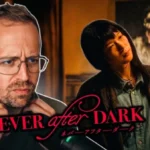
Never After Dark review: Dave Boyle's stylish Japanese ghost story burns slowly, sometimes too slowly, but Moeka Hoshi and a nasty streak...
The Japanese Horror Film from American Director Dave Boyle starring Moeka Hoshi and Tae Kimura
Boyle and his collaborators take a few jarring creative shortcuts and by-passes, but pull off most of what they attempt.
It's rare that even a casual horror fan doesn't greet a new Japanese ghost story with the words, "I LIKE IT already!" Even if the film is...
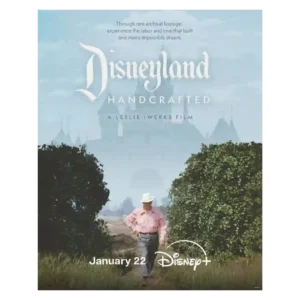
Best for pristine archival footage, immersive sound, and a surprisingly tense look at Disneyland’s construction. Skip it if you want a comprehensive, deeply critical history; several reviewers found the 78–79-minute...
Pros: plot clarity, realism
Cons: plot originality, runtime
Best for an intimate, inventive archival portrait with strong emotional and cultural impact. Skip it if substantial nudity or an occasionally wandering biographical structure will frustrate you.
Pros: chemistry between characters, emotional impact
Cons: runtime, plot clarity
Best for an audacious, text-driven conspiracy thriller with gorgeous 16mm atmosphere and mounting dread. Skip it if long stretches of reading, deliberate repetition, and an intentionally austere narrative sound more...
Pros: story quality, plot clarity
Cons: chemistry between characters, sound design
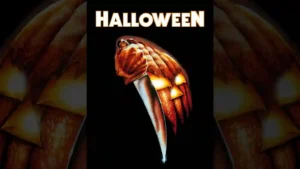
Best for slow-burn suspense, iconic synth music, and shadow-soaked filmmaking that still feels influential. Skip it if you need fast pacing, polished sound, consistently natural dialogue, or modern gore-heavy kills.
Pros: chemistry between characters, directing quality
Cons: sound design, dialogue quality