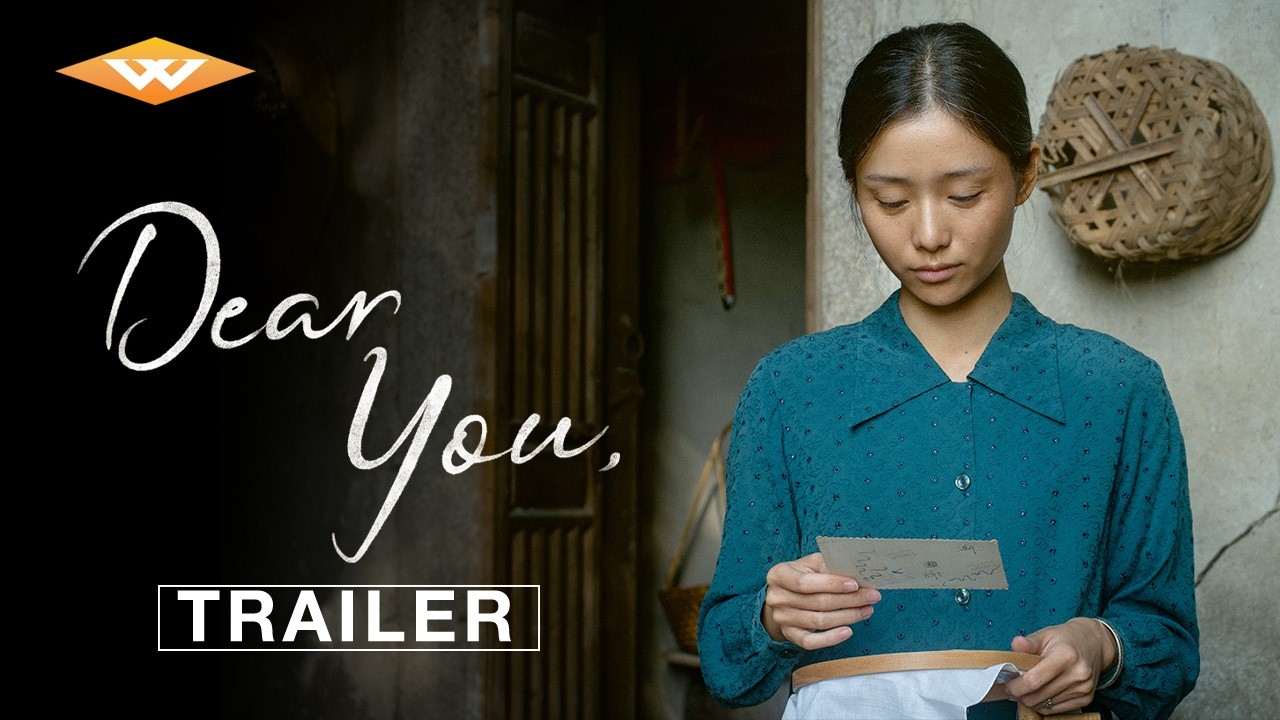
Choose it for a deeply felt Teochew family saga with natural performances, vivid period detail, and a powerful late emotional payoff. Skip it if slow pacing, overtly sentimental scoring, or simplified history quickly pull you out of a drama.
Best for
Viewers who want a heartfelt family melodrama rooted in Teochew migration history, with patient storytelling, natural performances, and a strong emotional payoff.
Not for
Viewers who dislike slow or uneven pacing, overtly sentimental music, or historical dramas that simplify political context may find the film frustrating.
Verdict
Dear You earns its strongest praise as an emotionally potent, culturally specific family drama built around qiaopi, migration, sacrifice, and memory. Its largely non-professional cast is repeatedly admired for natural performances, while the warm visuals and lived-in period settings make its modest scale feel richer than expected. The film’s biggest strength is the way its final act turns decades of misunderstanding into compassion rather than judgment. The tradeoff is restraint that sometimes slips: several critics find the score manipulative, the melodrama occasionally overdone, and the pacing uneven or slow. Historical treatment is also debated, with some seeing a credible entry point and others pointing to major omissions. Even with those caveats, the broad consensus is that its sincerity and emotional force carry it.
cultural representation: 4.9, 20 reviews, strong consensus
Its Teochew language, qiaopi tradition, and migrant history are widely treated as the film’s defining strengths, giving it identity, authenticity, and emotional specificity. One critique objects to simplified portrayals of Thai and Indian characters and nationalistic undertones.
This is the clearest point of agreement: the film repeatedly brings viewers close to tears or fully to tears, with the final stretch described as devastating, heartbreaking, and deeply compassionate.
The film draws substantial depth from migration, memory, female solidarity, sacrifice, kindness, and the way family history becomes myth. Its strongest passages turn culturally specific experience into a broader reflection on connection.
The core family story is overwhelmingly regarded as moving, compassionate, and compelling, with its qiaopi mystery opening into a broader portrait of love and migration. Even positive assessments acknowledge structural or historical simplifications.
The film’s emphasis on family duty, kindness, loyalty, sacrifice, memory, and connection across distance is widely admired. A minority view finds the moral framing too explicit or politically nationalistic.
lead performance: 4.9, 9 reviews, strong consensus
The central performances are a major strength, with Li Sitong repeatedly singled out for quiet expressiveness and emotional weight and the older female performances also drawing strong praise.
The score is the most repeated craft complaint: several writers call it maudlin, treacly, manipulative, or too eager to tell viewers when to cry. A few still find it effective in parts.
Music selection gets mixed reactions: one period-incongruous song is called distracting and out of place, while another writer simply finds the music fitting.
Views are mixed: some see a credible, well-grounded entry point into Teochew migration history, while others criticize the film for glossing over political consequences and omitting major events from the era.
Li Sitong is the standout performer in several assessments, bringing quiet strength, emotional expressiveness, and enough presence to hold much of the film together. Her pivotal role is repeatedly described as excellent or triumphant.
Lan Hongchun’s writing and direction are praised for subtle thematic handling, patient character work, and strong emotional control. His approach is especially effective when it trusts quiet moments rather than overt manipulation.
Usha Seamkhum makes a large impression in limited screen time, bringing a lifetime of feeling to the older character and helping the final meeting land with tear-jerking force.
Wang Yantong is praised for an open, likable quality and energetic personality that makes Den feel warm, youthful, and emotionally connected to the larger family story.
Compared with other Movies, this product is above average in story quality, cultural representation, ending satisfaction, near average in humor, critic appeal, below average in score quality, soundtrack quality.
Comparison summary
37 compared features
Above average0.4+ pts higher
32(86%)
Same as averagewithin 0.3 pts
3(8%)
Below average0.4+ pts lower
2(5%)
Largest category differences
Attribute
This product
Category average
Difference
score quality
2.1
4.2
-2.1
story quality
4.7
3.1
+1.5
cultural representation
4.9
3.5
+1.4
ending satisfaction
4.9
3.3
+1.6
editing quality
5.0
3.3
+1.7
emotional impact
4.9
3.8
+1.1
theme depth
4.8
3.6
+1.2
character development
4.3
3.0
+1.2
Consider This Instead
If you want better soundtrack quality
Choose The Invite. It scores 5.0 vs 3.0 for soundtrack quality, with a 4.5 overall score.
Products reviewers directly compared with this model, grouped into quick takeaways.
How To Make Millions Before Grandma Dies
Similar: emotional tenorIts intergenerational melodrama is compared directly to the Thai hit.
Similar: narrative framingIts initial framing recalls the Thai intergenerational family hit.
Similar: story setupThe opening setup is compared to another Thai family drama.
Love After Love
Similar: period-drama styleThe film’s lyrical treatment of the past recalls Ann Hui’s period drama.
Our Time Will Come
Similar: period-drama styleThe film’s lyrical treatment of the past recalls Ann Hui’s period drama.
FAQ
Is Dear You very emotional?
Yes. Emotional impact is the strongest point of agreement, with multiple writers describing tears, heartbreak, and a powerful late-film payoff.
Does the movie feel slow?
It depends on the viewer. Some praise its patient, unhurried build, while others find the opening rushed, the overall pacing uneven, or the nearly two-hour runtime slow in places.
How are the performances?
The largely non-professional cast is widely praised for natural, sincere work. Li Sitong is the most frequently singled-out performer, while the older female performances also earn strong praise.
How important is the Teochew setting?
It is central to the film’s identity. The language, qiaopi tradition, migrant history, and period community detail are repeatedly cited as major strengths rather than background decoration.
What is the biggest criticism?
The music score is the most repeated complaint, often described as too sentimental or too eager to tell viewers when to feel emotional.
Is the historical treatment detailed?
It offers an accessible and culturally rich entry point, but opinion is divided on depth: some praise its grounding while others criticize major political and historical omissions.
Sample Expert Reviews We Analyzed
These are a few of the reviews included in our analysis.
Best for pristine archival footage, immersive sound, and a surprisingly tense look at Disneyland’s construction. Skip it if you want a comprehensive, deeply critical history; several reviewers found the 78–79-minute...
Best for an intimate, inventive archival portrait with strong emotional and cultural impact. Skip it if substantial nudity or an occasionally wandering biographical structure will frustrate you.
Pros: chemistry between characters, emotional impact
Best for an audacious, text-driven conspiracy thriller with gorgeous 16mm atmosphere and mounting dread. Skip it if long stretches of reading, deliberate repetition, and an intentionally austere narrative sound more...
Best for a profound, formally inventive meditation on grief, memory, and the ethics of filming family. Skip it if intensely personal addiction material, a 114-minute runtime, or occasional repetition will...