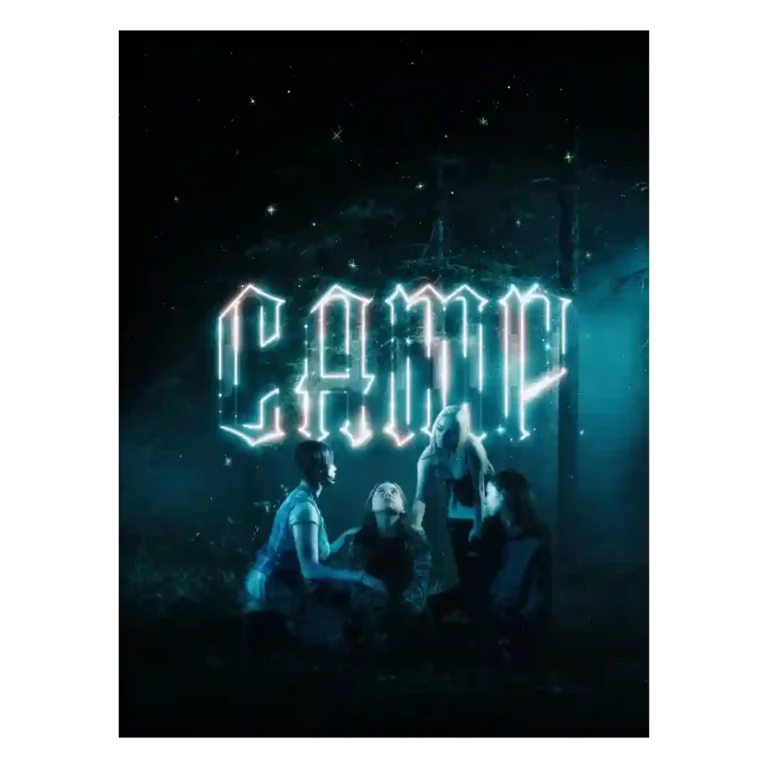
Choose it for hypnotic visuals, a remarkable lead performance, and emotionally rich queer witchcraft. Skip it if you need brisk pacing, clear supernatural rules, or a conventional horror payoff.
Best for
Viewers drawn to queer arthouse horror, witchy coming-of-age stories, grief narratives, and movies that privilege mood and interpretation over conventional plot.
Not for
Viewers wanting a summer-camp slasher, frequent scares, fast pacing, clear supernatural rules, or a decisive third-act resolution.
Verdict
Camp is a visually intoxicating, emotionally sincere piece of queer arthouse horror built around grief, guilt, and the dangerous comfort of belonging. Zola Grimmer gives the loose narrative a compelling center, while Eily Sprungman’s cinematography, handmade animation, and the reverb-heavy music turn the camp into an unstable dream world. Avalon Fast’s refusal to explain the witchcraft or impose tidy moral judgments gives the film unusual thematic power. That same refusal is also its main limitation: the 111-minute runtime drags, dialogue can feel clunky or monotone, side characters vanish, and the ending withholds conventional resolution. It is strongest as a mood piece and emotional experience, not as a tightly constructed horror story.
The handmade visual language is the film’s clearest triumph, blending Super 8 grain, colored fog, animation, ritual tableaux, and glowing natural light. It is consistently described as gorgeous, hypnotic, and otherworldly.
Soft focus, colored fog, analog textures, handheld movement, and glowing woodland imagery create the film’s most consistently admired strength. The photography makes even ordinary daylight feel enchanted and unstable.
The ensemble often feels intimate and natural, with several critics praising its persuasive, unforced quality. A smaller group found the supporting performances flat, forced, or overly stylized.
lead performance: 4.7, 8 reviews, strong consensus
Zola Grimmer gives a remarkably controlled debut, conveying sorrow, guarded hope, and longing through restrained speech and expressive reactions. Even harsher assessments of the ensemble tend to single her out positively.
The film thoughtfully connects grief, female sexuality, faith, guilt, and chosen family. Its moral refusal to label healing as purely good or evil gives the material unusual depth.
The film’s grief, guilt, and hunger for absolution land with unusual tenderness and intensity. Its strongest moments make healing feel both comforting and potentially dangerous.
The meditative pace supports the dreamlike atmosphere, but it is the most repeated drawback. Long silences and meandering transitions frequently make the film feel overextended.
The ending is intentionally unresolved and will be a major dividing point. Some appreciate its refusal of reassurance, while others find the missing payoff, dropped threads, and troubling implications frustrating.
This is best suited to viewers who enjoy queer arthouse horror, ambiguity, and slow, mood-led storytelling. Its thin plot and refusal to explain itself will alienate viewers seeking a conventional genre ride.
Reality, dreams, memory, and witchcraft blur by design, leaving major questions unanswered. That ambiguity can be seductive, but it also makes the plot feel incoherent or nearly illegible to some viewers.
At 111 minutes, the film pushes its sparse narrative close to the breaking point. Even positive reactions often suggest that trimming 10 to 15 minutes would strengthen the experience.
character development: 3.0, 4 reviews, low consensus
Emily’s emotional progression and the counselors’ shared damage can be compelling, but several side characters and relationships disappear before they are fully developed. The character-driven material is strongest when the film stays close to its central group.
Sprungman’s cinematography is repeatedly identified as a defining achievement, transforming woods, daylight, memory, and ritual into a soft, unstable dreamscape. The work is described as gorgeous, razor-sharp, and masterful.
Fast is praised for a fearless, personal vision and unusually strong command of mood, archetype, and handmade imagery. The approach remains raw and divisive, with some criticism of disjointed execution and insufficient narrative focus.
Grimmer’s debut is the film’s most consistently praised performance, balancing muted grief with guarded hope and a deep need for belonging. Her restrained expressions give the loose narrative a compelling emotional center.
Robin’s fuzzy, reverb-heavy score strengthens the film’s charmed and threatening atmosphere. Its noise, drift, and intensity help carry the story when the narrative becomes most abstract.
Alice Wordsworth: 4.5, 3 reviews, strong consensus
Wordsworth gives Clara an alluring presence and shines in the supporting ensemble. Her chemistry with Grimmer adds warmth, danger, and romantic charge to Emily’s sense of belonging.
Moore is singled out as a strong supporting presence, bringing naturalism and bright, welcoming energy to Rosie. Her performance helps make the coven feel intimate rather than merely ominous.
Compared with other Movies, this product is above average in plot originality, originality, world-building, near average in pacing, lead performance, below average in ending satisfaction, dialogue quality, audience appeal.
Comparison summary
37 compared features
Above average0.4+ pts higher
22(59%)
Same as averagewithin 0.3 pts
8(22%)
Below average0.4+ pts lower
7(19%)
Largest category differences
Attribute
This product
Category average
Difference
plot originality
4.5
2.8
+1.7
originality
4.7
3.3
+1.4
world-building
5.0
3.7
+1.3
romance quality
4.5
3.2
+1.3
emotional impact
4.9
3.8
+1.1
ending satisfaction
2.2
3.2
-1.0
animation quality
4.8
3.7
+1.1
dialogue quality
2.0
3.0
-1.0
Consider This Instead
If you want better acting performance
Choose If I Go Will They Miss Me. It scores 4.8 vs 3.8 for acting performance, with a 4.2 overall score.
Products reviewers directly compared with this model, grouped into quick takeaways.
I Saw the TV Glow
Similar: trippy coming-of-age themesBoth films use destabilizing visuals to express trauma, guilt, and belonging.
Similar: trauma and identity impactThe reviewer says the film affected them in a similarly personal and destabilizing way.
Better: handling of loss and dissociationThe reviewer finds a similar concept handled with much greater confidence elsewhere.
The Craft
Similar: witchy coming-of-age moodIt is recommended as a lonelier, rougher, more emotionally unstable alternative.
Similar: coven-centered storytellingThe premise is described as a dreamier, mumblecore-inflected version of the witch classic.
Compared: witchy coming-of-age premiseThe film is framed as a psychedelic, artful variation on a familiar witch story.
Honeycomb
Older model: filmmaking confidenceFast’s second feature is viewed as a major step forward from the debut.
FAQ
Is Camp a traditional summer-camp slasher?
No. It is a slow, dreamlike coming-of-age horror film centered on grief, witchcraft, and female friendship rather than killings, chase scenes, or jump scares.
Is Camp scary?
Its horror comes from atmosphere, moral unease, ritual imagery, and emotional dread. Viewers seeking intense scares or a large body count may find it too gentle and abstract.
Why is the story so ambiguous?
Dreams, memories, reality, and supernatural events intentionally blur together to mirror Emily’s grief and dissociation. The film leaves the witchcraft and ending open to interpretation.
How is Zola Grimmer’s performance?
Her debut is one of the film’s strongest elements. She conveys Emily’s sorrow, guarded hope, and need for belonging through a restrained but expressive performance.
Does the 111-minute runtime feel long?
Often, yes. The meditative rhythm supports the atmosphere, but several critics felt the sparse story would be stronger with roughly 10 to 15 minutes removed.
Who is Camp best for?
It is best for viewers who enjoy queer arthouse horror, dreamy visuals, found-family themes, and unresolved storytelling. Those needing a brisk plot or tidy payoff should approach cautiously.
Sample Expert Reviews We Analyzed
These are a few of the reviews included in our analysis.
Choose this inventive, unsettling documentary for fearless questioning, dark humor, and unpredictable storytelling. Skip it if you want a short, straightforward exposé with definitive answers.
Best for a hypnotic, bookish mystery with tactile visuals and cerebral chills. Skip it if reading-heavy, attention-demanding storytelling sounds more exhausting than exciting.
Best for an intimate, searching documentary that rewards focused attention and invites discussion. Skip it when devastating grief, addiction footage, and unresolved family tensions would be too much.
Best for patient suspense, an unforgettable score, and an unsettling masked killer. Skip it for very young children or if you want to avoid intense scares; its restrained kills also...