Best for refresh rate
MSI MPG 272URX QD-OLED
5.0 attribute score
Highest scored product for this attribute based on supporting review evidence.

Highest scored product for this attribute based on supporting review evidence.
Balances the attribute score, supporting reviews, and overall product strength.
Has the broadest review evidence for this attribute.
Strongest overall product among items with scored evidence for this attribute.
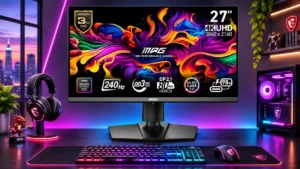
Overall: 4.2/5
At 240Hz, games and scrolling can feel exceptionally fluid while retaining native 4K resolution. Taking full advantage in demanding titles requires an unusually fast gaming PC.
Pros: HDR performance, DisplayPort connectivity
Cons: value for money, brightness
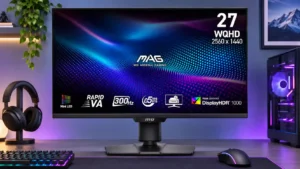
Overall: 3.9/5
The 300Hz refresh rate is a standout advantage over many budget Mini-LED rivals, especially for high-frame-rate PC gaming.
Pros: HDR performance, black levels
Cons: viewing angles, response time
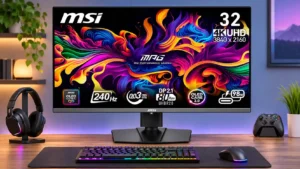
Overall: 4.0/5
At 240Hz, fast gameplay is exceptionally fluid, though demanding 4K games often run far below the ceiling.
Pros: overall satisfaction, DisplayPort connectivity
Cons: value for money, reliability over time
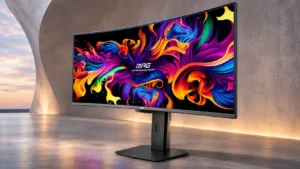
Overall: 4.4/5
The 360Hz refresh delivers conspicuously smooth, crisp action and feels like a meaningful step up from older 120Hz and 240Hz displays, provided the PC can push high enough frame rates.
Pros: refresh rate, Text fringing
Cons: Resolution, GPU demands
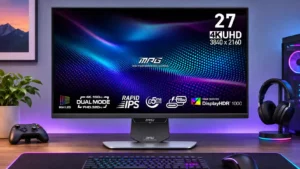
Overall: 4.0/5
Native 4K160 is excellent for detailed gaming, and FHD320 is useful for speed despite imperfect refresh compliance.
Pros: Dual-mode versatility, refresh rate
Cons: black levels, contrast
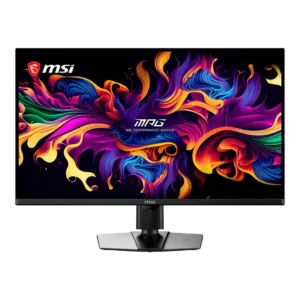
Overall: 4.4/5
At 4K, 240Hz is considered a practical upper limit because few systems can exceed it in modern games. It is smooth enough for competitive play while preserving the detail needed...
Pros: brightness, reflection handling
Cons: cable management
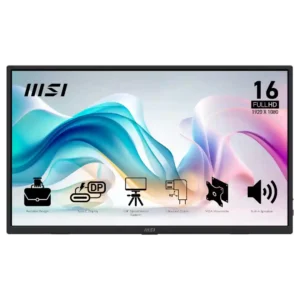
Overall: 4.1/5
The 60Hz refresh rate is acceptable for office work and casual use but repeatedly criticized as a gaming limitation at this price.
Pros: value for money, portability and weight
Cons: built-in speakers, color gamut